The summer of 2025 shook late-night TV: Colbert’s show ends, Kimmel suspended, and hosts fight for relevance in a changing media landscape.
- May 17, 2026
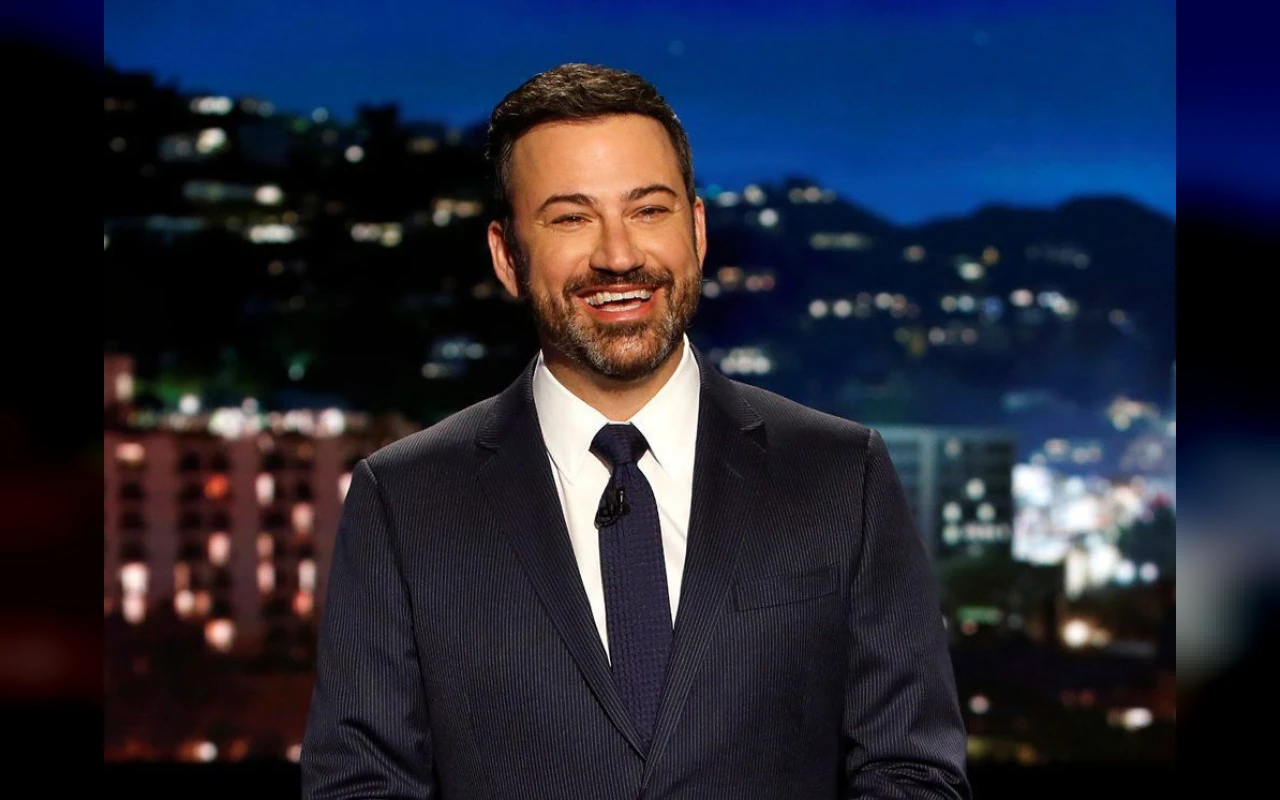
AceShowbiz - The summer of 2025 marked a turbulent period for late-night television, with major shifts impacting some of its most notable hosts and shows. The biggest shock came when CBS announced it would cancel The Late Show with Stephen Colbert, which is scheduled to conclude in May 2026. Meanwhile, ABC briefly suspended Jimmy Kimmel following a controversial comment he made regarding Charlie Kirk and the "MAGA" movement, though his show was reinstated about a week later.
As the end of Stephen Colbert's tenure approaches, he invited fellow late-night hosts Jimmy Kimmel, Jimmy Fallon, Seth Meyers, and John Oliver to justify the relevance of their work in today’s changing media landscape. Kimmel emphasized the enduring demand for late-night comedy, noting audiences now access such content across platforms like YouTube, social media, and cable television.
The pressures and transformations within the late-night TV industry have also been depicted in fictional series such as HBO’s Hacks, raising questions about whether this long-standing television format is fading, particularly due to financial challenges faced by networks.
The Late Show with Stephen Colbert is set to end after a July 2025 announcement from CBS. The network attributed the cancellation to financial reasons, stating, "We consider Stephen Colbert irreplaceable and will retire The Late Show franchise in May of 2026." CBS emphasized that this decision was strictly budgetary and unrelated to the show's content or performance. Despite this, Colbert and his team received an Emmy Award for Best Talk Series two months following the announcement, underscoring the show’s critical acclaim.
At ABC, Jimmy Kimmel Live! faced uncertainty after a September 2025 statement declared the show would be "pre-empted indefinitely." This followed Kimmel's remarks about political tensions surrounding Charlie Kirk's murder, where he accused the "MAGA Gang" of politicizing the tragedy. The comments drew ire from Brendan Carr, head of the Federal Communications Commission, who publicly criticized Kimmel and warned Disney of potential consequences if the content did not align with community standards. Carr suggested the possibility of suspension but stopped short of outright cancellation.
Despite the controversy and public debate, Kimmel's show was reinstated roughly a week later and continues to air. The incident highlighted the delicate balance broadcasters must maintain amid political sensitivities and audience expectations.
Jimmy Fallon remains a stable figure on NBC with The Tonight Show Starring Jimmy Fallon, though he has faced calls for cancellation from political figures like Donald Trump. However, no official network issues have emerged for him. Similarly, Seth Meyers of Late Night with Seth Meyers has not encountered publicized problems with NBC.
Other late-night programs have experienced different fates. CBS's After Midnight, hosted by Taylor Tomlinson, ended after two seasons in June 2025 when Tomlinson chose to return to her stand-up career. Meanwhile, HBO’s Real Time with Bill Maher and Last Week Tonight with John Oliver continue without reported difficulties. On Bravo, part of NBCUniversal, Andy Cohen’s Watch What Happens Live also remains on the air without any known issues.
Fox News Channel’s Gutfeld!, hosted by Greg Gutfeld, similarly continues broadcasting, unaffected by the upheavals seen elsewhere in late-night television.
Overall, the late-night TV landscape in 2025 and 2026 is marked by significant change. While some long-running shows conclude or face suspension due to financial pressures or controversies, others maintain steady viewership and network support. The evolving ways audiences consume comedy and talk shows—through digital platforms and traditional means alike—play a crucial role in shaping the future of this entertainment genre.
As Stephen Colbert prepares to sign off from The Late Show with Stephen Colbert, the industry watches closely to see how late-night television will adapt to the challenges of modern media, political scrutiny, and shifting viewer habits.