Andy Serkis’ 2026 Animal Farm adaptation divides critics. See how this dystopian retelling of Orwell’s classic allegory is being received.
- May 7, 2026
AceShowbiz - Animal Farm (2026), the latest dystopian adaptation directed by Andy Serkis, has stirred mixed reactions among critics and audiences alike. Known for his groundbreaking motion capture performances and recent foray into directing, Serkis tackled the challenge of bringing George Orwell’s 1945 allegorical novel to the big screen once again. This new version is the third cinematic interpretation, following earlier releases in 1954 and 1999.
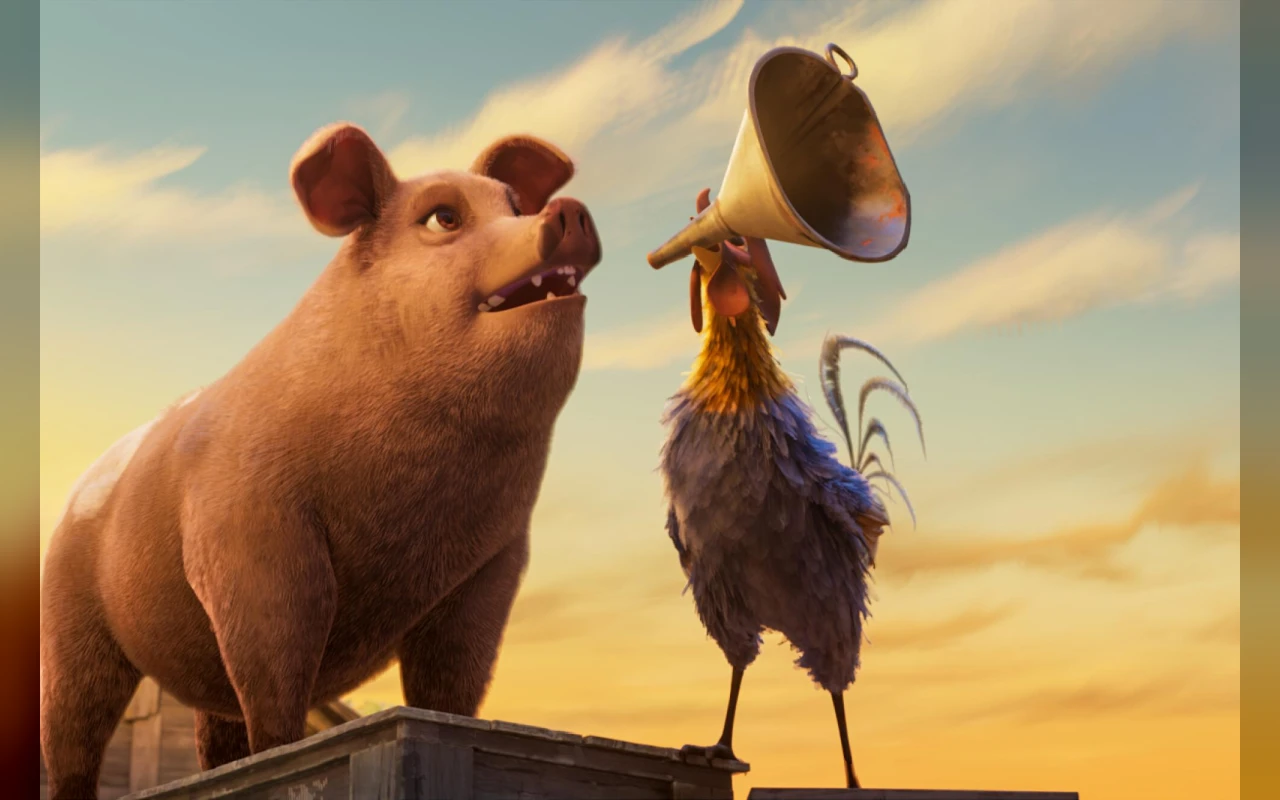
Animal Farm tells the story of anthropomorphic farm animals who overthrow their human owners to establish a society based on equality, freedom, and happiness. However, their hopes are soon undermined when a group of pigs seizes control, plunging the community into a dystopia. Despite the novel’s lasting significance as a satirical critique of the Russian Revolution and Stalinist regime, Serkis’ adaptation has received a notably harsh reception from critics.
On Rotten Tomatoes, the film currently holds a 25% critics’ score based on 51 reviews, reflecting widespread dissatisfaction with the direction and execution of the story. In contrast, audiences have responded more favorably, giving the film a 61% score, indicating that it resonates better with general viewers than with reviewers. While this audience score surpasses the reception of John Stephenson’s 1999 version, it remains slightly below Joy Batchelor’s 1954 adaptation, which holds a 66% audience rating and a 67% critics’ score.
The cast of the animated film features notable voices, including Seth Rogen as Napoleon, Gaten Matarazzo as Lucky, Steve Buscemi, Glenn Close, Laverne Cox, Kieran Culkin, Woody Harrelson, Jim Parsons, Kathleen Turner, and Iman Vellan. The screenplay was adapted by Nicholas Stoller, and the film is distributed by Angel Studios. It premiered in theaters on May 1, 2026, with a runtime of 96 minutes.
While some reviews praise the movie for being entertaining and embedding important life lessons, others are more critical, especially among fans of Orwell’s original text. The 2026 adaptation introduces significant changes, including the addition of an original protagonist named Lucky and a shift toward a coming-of-age narrative. These alterations have sparked debate over whether the film dilutes the novel’s potent political allegory.
Animal Farm was originally crafted as a satirical allegory condemning the corruption of revolutionary ideals during the Soviet Union’s Stalin era. It illustrates how socialist principles can be perverted when individuals seek power for themselves. However, Serkis’ adaptation opts for a more hopeful tone, notably revising the bleak ending of the book. Speaking with ScreenRant, Serkis explained that he wanted to inject a “beat of hope” because the harsh realities of the world make it necessary to believe in the possibility of change despite history’s cyclical nature.
These creative decisions have drawn criticism for watering down the original message. Many reviewers argue that the film’s execution and tone fail to capture the mature and incisive commentary Orwell intended. They contend that the political allegory is weakened, and the story feels less impactful compared to the novel’s stark portrayal of power and betrayal.
Serkis’ journey as a director has been a mixed one since his debut with the biopic Breathe, which was well-received. However, his subsequent projects, including Mowgli: Legend of the Jungle and Venom: Let There Be Carnage, have seen polarized responses from both critics and audiences. Despite this uneven track record, Serkis remains committed to directing and has announced plans to helm the upcoming Lord of the Rings movie The Hunt for Gollum, in which he will also reprise the role of Gollum. Filming is scheduled to begin in 2026, targeting a release date of December 17, 2027.
In summary, Animal Farm (2026) stands as a bold but divisive adaptation that has failed to win over critics while finding moderate favor with audiences. Its departure from Orwell’s original themes and the softened narrative tone continue to fuel debate about the challenges of updating classic literature for modern viewers. As it plays in theaters now, Serkis’s effort reflects both the difficulties and ambitions involved in bringing such a politically charged story to life through animation.