Children of Blood and Bone' author Tomi Adeyemi left the film set sobbing, calling it the worst experience of her life. A raw look behind the adaptation.
- July 31, 2026
AceShowbiz - Children of Blood and Bone author Tomi Adeyemi has publicly shared the intense emotional distress she experienced while on the set of the film adaptation of her bestselling novel. The acclaimed writer reportedly left the production sobbing, describing the ordeal as the worst she has ever endured and expressing a strong desire to never revisit the traumatic experience.
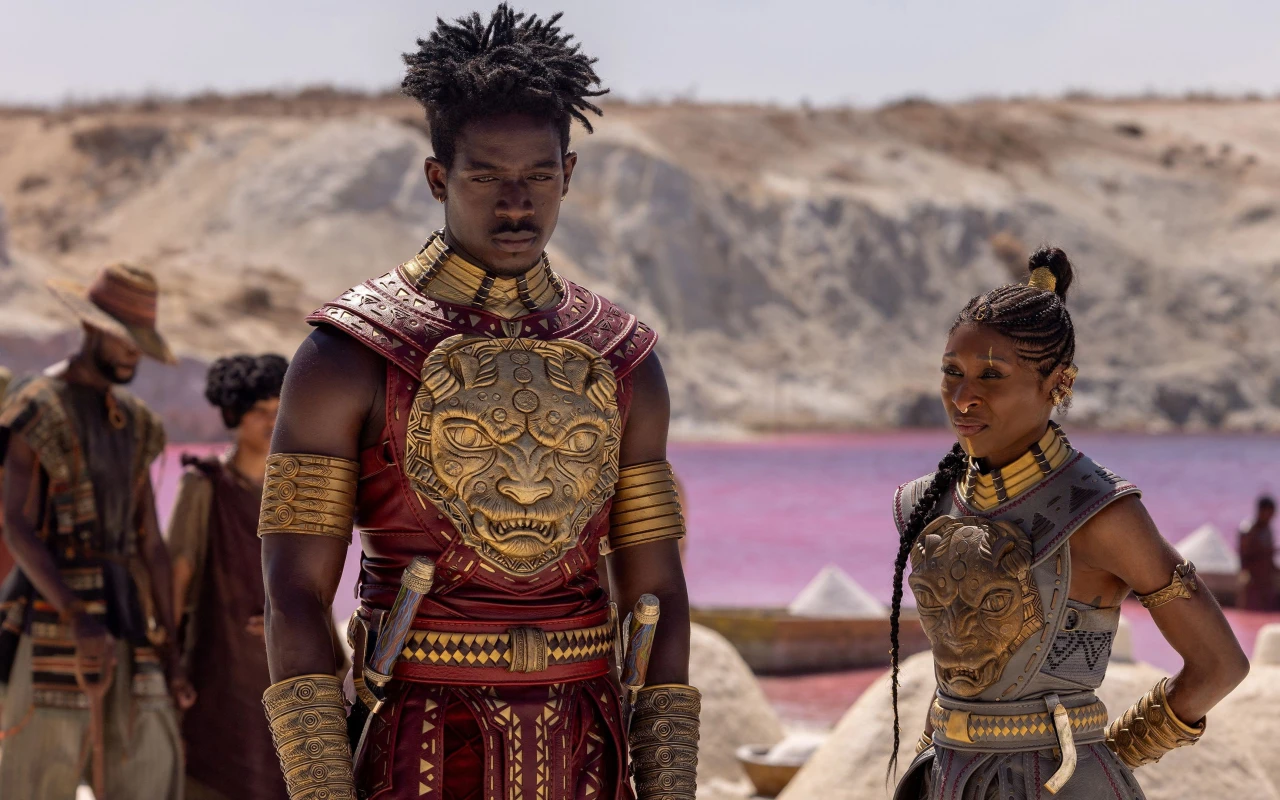
The adaptation of Children of Blood and Bone has been highly anticipated, given the novel's massive success and cultural impact. However, this behind-the-scenes revelation sheds light on the challenges and pressures Adeyemi faced during the film’s development. Her candid admission exposes a rarely seen side of the adaptation process, where creative visions and industry realities sometimes collide, causing significant emotional strain for original creators.
The stress and disappointment that led to Adeyemi’s emotional breakdown on set highlight the difficulties authors often encounter when their beloved works are translated into a new medium. While fans eagerly await the movie, the author’s experience suggests that the journey from page to screen can be fraught with conflicts and compromises that deeply affect the originating voice behind the story.
This revelation is significant as it underscores the importance of respecting and supporting original creators throughout the adaptation process. Adeyemi’s reaction may signal ongoing tensions between the author’s vision and the production’s execution, a common but rarely publicly discussed issue in the industry. The emotional toll on Adeyemi serves as a reminder of the human element behind blockbuster projects often viewed solely through the lens of entertainment value and commercial success.
Despite the emotional hurdles, the Children of Blood and Bone film remains a highly anticipated release, with many hopeful that the final product will honor the rich world and powerful themes that earned the novel its acclaim. Adeyemi’s experience could spark broader conversations about the treatment of authors in Hollywood adaptations and the creative control they are afforded.
The author’s description of the experience as something she never wants to revisit suggests a need for greater transparency and perhaps a reevaluation of the adaptation process. For fans and industry insiders alike, this moment provides a rare, sobering glimpse into the personal cost behind bringing beloved literary works to the big screen.
This article is based on reporting originally published by Reddit.