- Graduated from University of Texas at Austin, with a Bachelor's Degree in Kinesiology and Sports Management
- Graduated from Marquette University, received a law degree
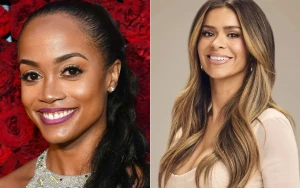
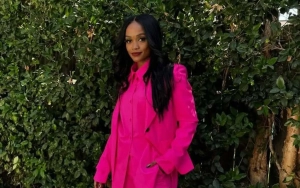
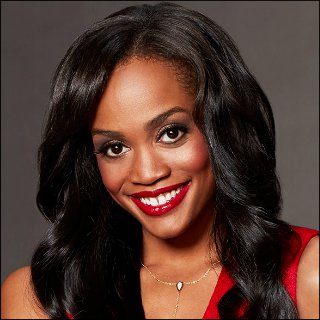
Rachel Lindsay emerged as a significant and groundbreaking figure in modern reality television, best known for her historic role on the long-running franchise The Bachelor. Born on April 21, 1985, in Dallas, Texas, she is the daughter of Sam A. Lindsay. A practicing attorney before entering the public eye, Lindsay brought a distinctive professional background and perspective to the world of dating shows. Her journey to fame began in 2017 when she joined the cast of The Bachelor as a contestant vying for the heart of lead Nick Viall. While she did not receive his final rose, her intelligence, poise, and charismatic personality made her a standout fan favorite.
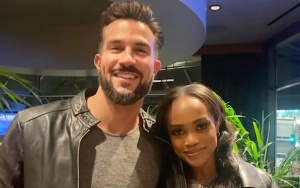
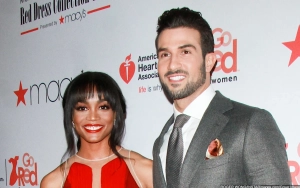
This popularity led to a monumental career milestone later that same year when she was announced as the lead for the thirteenth season of The Bachelorette. This casting made history, as Lindsay became the first Black lead in the franchise's fifteen-year history, a role that carried significant cultural weight and sparked widespread conversation. Her season, which aired in 2017, concluded with her accepting a proposal from contestant Bryan Abasolo, a chiropractor from Miami. The couple married in a televised ceremony in August 2019, solidifying their relationship in the public sphere.
Leveraging her platform, Lindsay transitioned from reality star to a multifaceted media personality and advocate. She co-hosted the official podcast for the Bachelor franchise, Bachelor Happy Hour, and frequently appears as a commentator on various entertainment news programs, offering her sharp, legally-trained analysis on the series and its cultural impact. Her career expanded beyond the franchise to include hosting duties for shows like Extra and MTV's Ghosted: Love Gone Missing, showcasing her versatility as a television host.
Beyond her on-screen work, Lindsay has been an outspoken voice on issues of diversity, representation, and social justice, often using her platform to critique the franchise that made her famous and to advocate for systemic change within the industry. She continues to practice law on a selective basis while building her brand as a host and commentator. Rachel Lindsay's legacy is defined not only by her historic role on The Bachelorette but by her evolution into a respected media figure who consistently engages with the complexities of fame, race, and romance in contemporary television.