Discover how AI is reshaping electronic music production, DJ culture, artist workflows, and creative experimentation. Learn how Use AI helps musicians, producers, and creators work smarter.
- July 1, 2026
AceShowbiz - The electronic music industry has always embraced innovation. From the introduction of drum machines and synthesizers to digital audio workstations and streaming platforms, technology has consistently reshaped how music is created, distributed, and experienced.
Today, artificial intelligence is becoming the next major force influencing electronic music culture. Producers, DJs, label managers, and music enthusiasts are increasingly exploring AI-powered tools to enhance creativity, streamline workflows, and discover new ideas.
Among the growing ecosystem of AI solutions, Use AI has emerged as a chat-based AI platform that enables users to interact with artificial intelligence through natural conversations. While AI cannot replace artistic vision, it is becoming a valuable companion for musicians and music professionals looking to work more efficiently and explore new creative possibilities.
The Evolution of Technology in Electronic Music
Electronic music has always existed at the intersection of creativity and technology.
Major Technological Milestones
- Analog synthesizers
- Drum machines
- MIDI technology
- Digital audio workstations (DAWs)
- Streaming platforms
- AI-powered creative tools
Each innovation has expanded what artists can achieve while reducing technical barriers.
The Modern Producer's Challenge
Today's creators have access to more tools than ever before, but that abundance can create new difficulties.
This environment makes intelligent assistance increasingly valuable.
Why AI Is Gaining Attention in Music Production
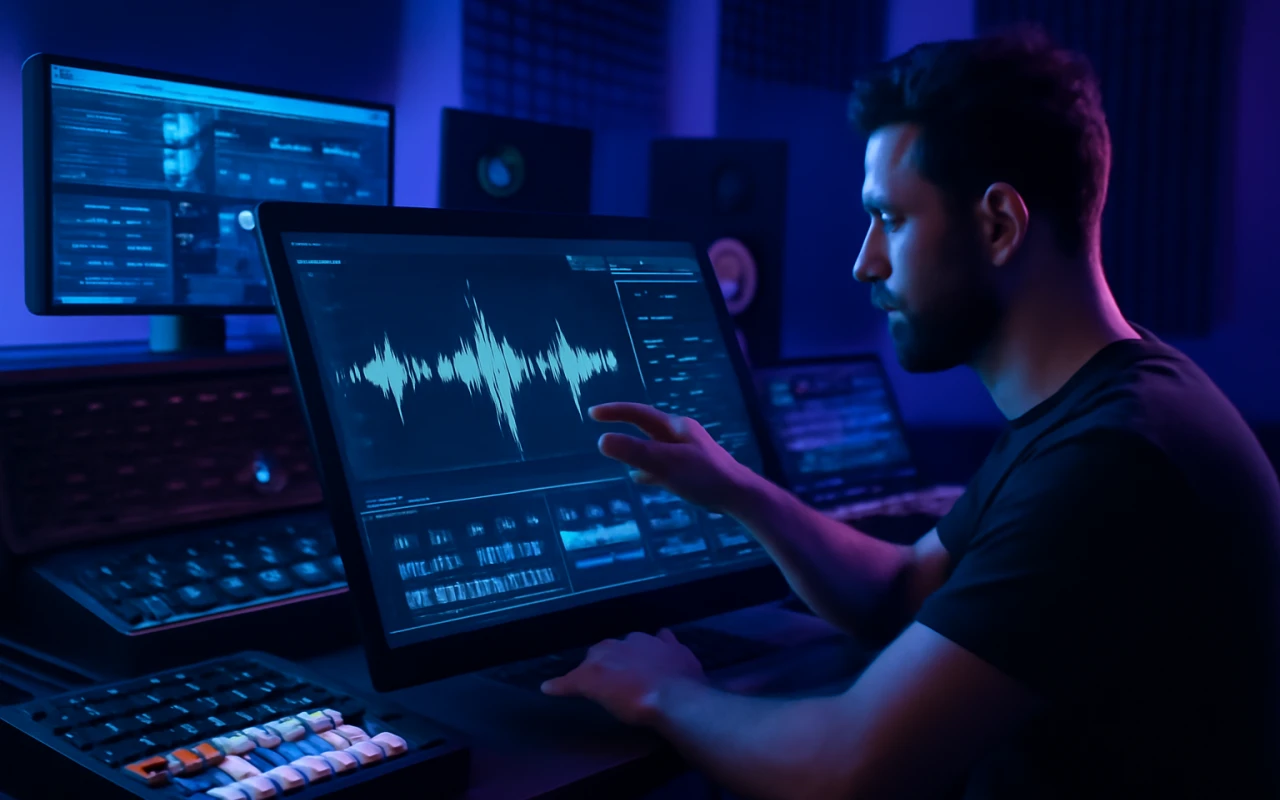
Artificial intelligence is helping creators handle tasks that traditionally consumed significant amounts of time.
Common AI Applications in Music Workflows
- Idea generation
- Research assistance
- Content planning
- Marketing support
- Educational guidance
- Project organization
Rather than replacing musicians, AI often acts as a creative support system.
The Rise of Conversational AI for Creatives
Many AI tools require specialized knowledge or technical setups. Conversational AI offers a more accessible alternative.
Benefits of Chat-Based AI Platforms
- Natural interaction
- Fast information retrieval
- Simplified learning
- Creative brainstorming support
- Workflow assistance
Instead of searching through multiple resources, creators can ask questions and receive structured responses instantly.
Introducing Use AI
A Flexible AI Platform for Creative Professionals
Use AI
is a chat-based AI platform designed to provide users with direct access to artificial intelligence through conversational interactions.
For electronic music professionals, this approach offers a practical way to explore ideas, organize projects, conduct research, and solve creative challenges without switching between numerous tools.
Potential Applications for Producers and DJs
Creative Brainstorming
Artists can use AI to:
- Explore track concepts
- Generate thematic ideas
- Develop release strategies
- Create promotional content
Learning and Research
AI can assist with:
- Understanding music technology
- Exploring production techniques
- Researching industry trends
- Learning new workflows
Content Creation
Musicians often need content beyond music itself.
Examples include:
- Artist bios
- Press releases
- Social media captions
- Newsletter drafts
- Event descriptions
These tasks can consume valuable creative time, making AI assistance particularly useful.
AI and the Modern Music Producer
Today's producers are expected to wear multiple hats.
Responsibilities Beyond Music Creation
AI tools can help manage these diverse responsibilities more efficiently.
Enhancing Creative Discovery
One of the most exciting applications of AI is its ability to support creative exploration.
How AI Supports Creativity
- Suggesting alternative approaches
- Generating fresh perspectives
- Organizing complex ideas
- Assisting with research
- Accelerating experimentation
Importantly, AI serves as a catalyst rather than a replacement for human creativity.
Maintaining Artistic Authenticity
Successful artists continue to rely on their own taste, experience, and emotional expression.
AI can assist with:
- Workflow efficiency
- Information gathering
- Administrative tasks
But artistic identity remains uniquely human.
The Role of AI in Music Industry Research
The music industry changes rapidly. New genres, platforms, labels, and marketing strategies emerge constantly.
Areas Where AI Can Help
- Tracking industry developments
- Researching audience behavior
- Exploring marketing strategies
- Monitoring emerging trends
- Understanding new technologies
This allows creators to spend less time researching and more time creating.
Community Perspectives on Use AI
As AI adoption grows, users frequently share experiences regarding different AI platforms and workflows.
One discussion exploring how various AI models produce different outcomes and user experiences can be found here:use.ai.
These conversations reflect increasing curiosity about how AI platforms can support creative and professional workflows across industries, including music production.
Comparing Traditional Research and AI-Assisted Workflows
This comparison highlights why many creative professionals are incorporating AI into their daily routines.
Best Practices for Using AI in Music Production
To maximize value while maintaining originality, creators should use AI strategically.
1. Use AI as a Creative Assistant
Allow AI to support brainstorming without replacing artistic decision-making.
2. Focus on Efficiency
Automate repetitive tasks to preserve energy for creative work.
3. Continue Developing Skills
AI should complement learning, not replace it.
4. Experiment Frequently
New ideas often emerge from unexpected interactions.
5. Maintain Authenticity
The most memorable music comes from human experience and expression.
The Future of AI in Electronic Music
AI will likely become increasingly integrated into music creation and industry workflows.
Emerging Trends
- Intelligent production assistants
- AI-powered educational tools
- Enhanced music discovery systems
- Automated content generation
- Advanced creative collaboration platforms
These innovations will continue expanding opportunities for artists while lowering barriers to entry.
Conclusion
Electronic music has always evolved alongside technological innovation, and artificial intelligence represents the next chapter in that journey. From research and organization to content creation and creative exploration, AI is helping artists and industry professionals work more efficiently.
Use AI exemplifies the growing category of chat-based AI platforms that make artificial intelligence accessible through simple conversations. By helping users organize information, generate ideas, and streamline workflows, it offers valuable support for modern music creators navigating an increasingly complex digital landscape.
As technology and creativity continue to converge, AI-powered tools like Use AI are likely to become an important part of the future of electronic music production and artist development.