Monarch: Legacy of Monsters Season 2 embraces time travel, pits Titan X against Kong, and reveals humanity as the Monsterverse’s true villain.
- May 4, 2026
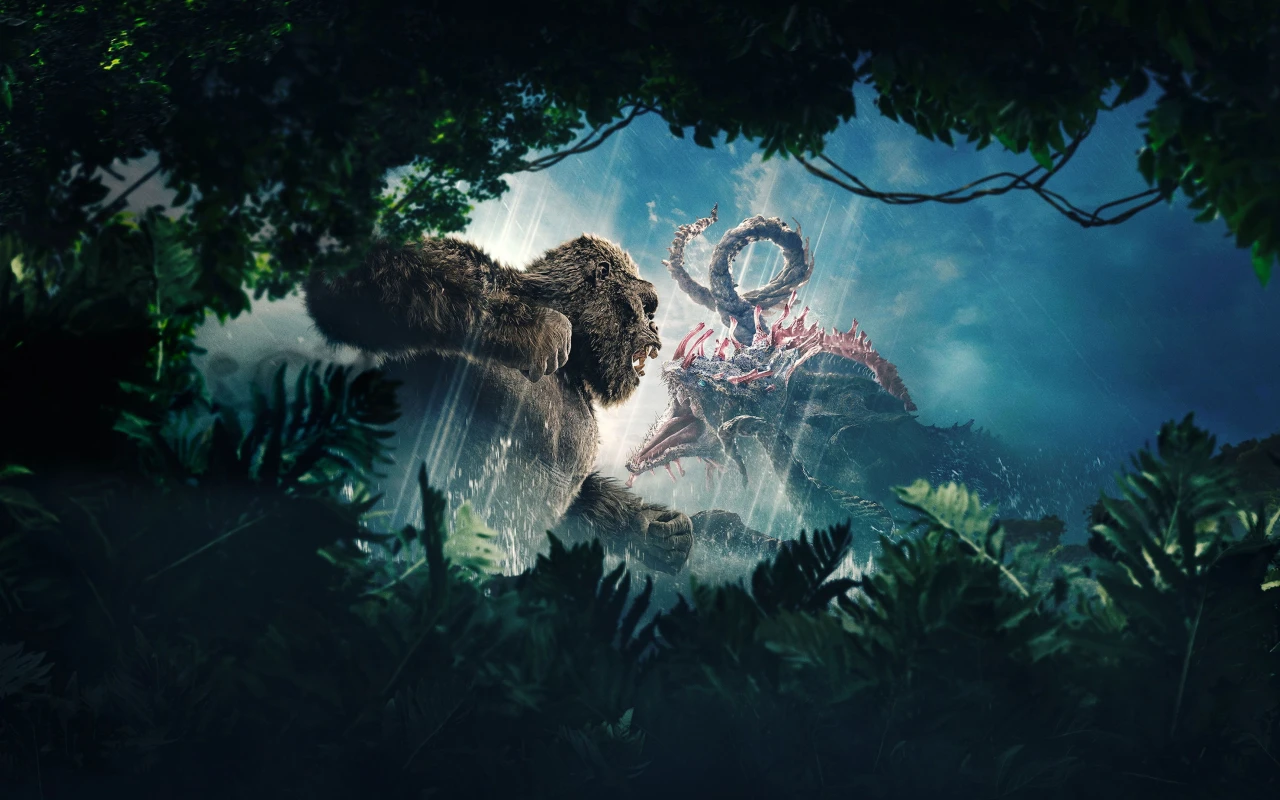
AceShowbiz - Monarch: Legacy of Monsters Season 2 fully embraces the concept of time travel, significantly shifting the narrative of the Monsterverse. The season finale comes full circle with the return of Titan X to Skull Island, setting up an epic confrontation with Kong. Unlike previous Monsterverse entries that focus mostly on spectacular monster battles, Monarch uses its story to delve into the franchise’s true antagonists: humanity itself. The world remains in turmoil following G-Day, grappling with the question of whether humans and Titans can coexist peacefully.
The series introduces Isabel Simmons, a wealthy heiress with her own theories and ambitions. She has compiled extensive research on the mysterious Axis Mundi, a realm accessible only by Titans. Season 1 revealed that time behaves differently in this dimension—one day inside could equal a year outside. However, Season 2 expands on this concept, showing that the Axis Mundi is far more complex than previously understood.
The Axis Mundi is the Key to Time Travel
Early episodes of Season 2 reaffirm the theory of time dilation within the Axis Mundi, explaining why Hiroshi Randa, father of Cate and Kentaro, disappeared for a year after G-Day despite only being gone for a day in that realm. However, inconsistencies arise when other characters like Lee Shaw and Keiko Randa also spend time in the Axis Mundi but experience time at different rates. This discrepancy hinted at deeper intricacies within the time dilation phenomenon.
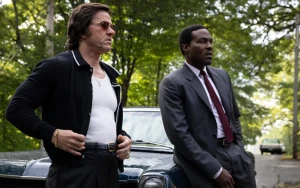
The mystery unravels in episodes 6 and 7 when Lee Shaw attempts to locate Godzilla by opening another rift into the Axis Mundi. There, he encounters a transmission from his past self, leading to a collaboration between the two Lees. The 1962 version of Lee plants a tracker on Titan X decades before its awakening. The present Lee’s memories then adjust to reflect these alterations, resulting in the detection of an old tracker on Titan X. This reveals that history in the Monsterverse can be subtly rewritten, though only in minor ways.
The Axis Mundi Can Be Used To Rewrite History
Isabel Simmons is unaware of Lee Shaw’s temporal intervention but theorizes that true time travel through the Axis Mundi is possible. She pursues two competing plans simultaneously, leaving her final choice uncertain. The first plan, which she proposes to Kentaro, involves changing the past to prevent G-Day from ever occurring. This would erase large parts of the Monsterverse timeline, save countless lives, and keep the existence of Titans hidden from humanity. Kentaro is drawn to this idea, hoping it will save his father’s life.
The second plan is more perilous. Isabel believes the Axis Mundi might allow travel back and forth through time, not just into the past but potentially into the future. She envisions commercializing this ability as a “fountain of youth,” where terminally ill wealthy individuals could enter the Axis Mundi and wait for cures to be discovered outside. This plan combines altruism with greed but remains a highly speculative and dangerous proposition.
Lee Shaw Proves Isabel’s Plans Won’t Work
Understanding the implications of any time travel narrative requires grappling with paradoxes, the most famous being the Grandfather Paradox. Isabel unknowingly edges toward a variant of this paradox. If she goes back and stops G-Day, everything that followed—including the knowledge of the Axis Mundi and her own theories—would be erased from existence. This raises the question: if the event is prevented, how could she have developed the plan in the first place?
While many time travel stories introduce multiverse theories or branching timelines to resolve such issues, Lee Shaw’s experience suggests the Monsterverse operates with a single, self-adjusting timeline. Rather than creating alternate realities, the timeline modifies itself to accommodate changes. This means that Isabel’s plan to erase G-Day could cause a catastrophic paradox that the timeline may not be able to resolve.
It remains unclear how the Monsterverse timeline will respond to such paradoxes. Some fictional universes allow only minor changes to history, preventing major paradoxes. Others have a limited tolerance for alterations, risking total timeline collapse if paradoxes occur. Fans can expect that Season 3 of Monarch will explore these ramifications in greater depth.
As Monarch: Legacy of Monsters Season 2 concludes, it leaves audiences contemplating the complex relationship between humanity, Titans, and the very nature of time itself. The show’s unique approach to time travel adds new layers to the Monsterverse mythos, blending thrilling monster action with thought-provoking science fiction themes.
What are your thoughts on the time travel elements introduced in Monarch: Legacy of Monsters Season 2? Join the discussion in the ComicBook Forum and share your theories and predictions for the upcoming season.