A white Jewish director on Richard Pryor's Vietnam drama? How a bold producer's gamble created a unique film.
- May 1, 2026
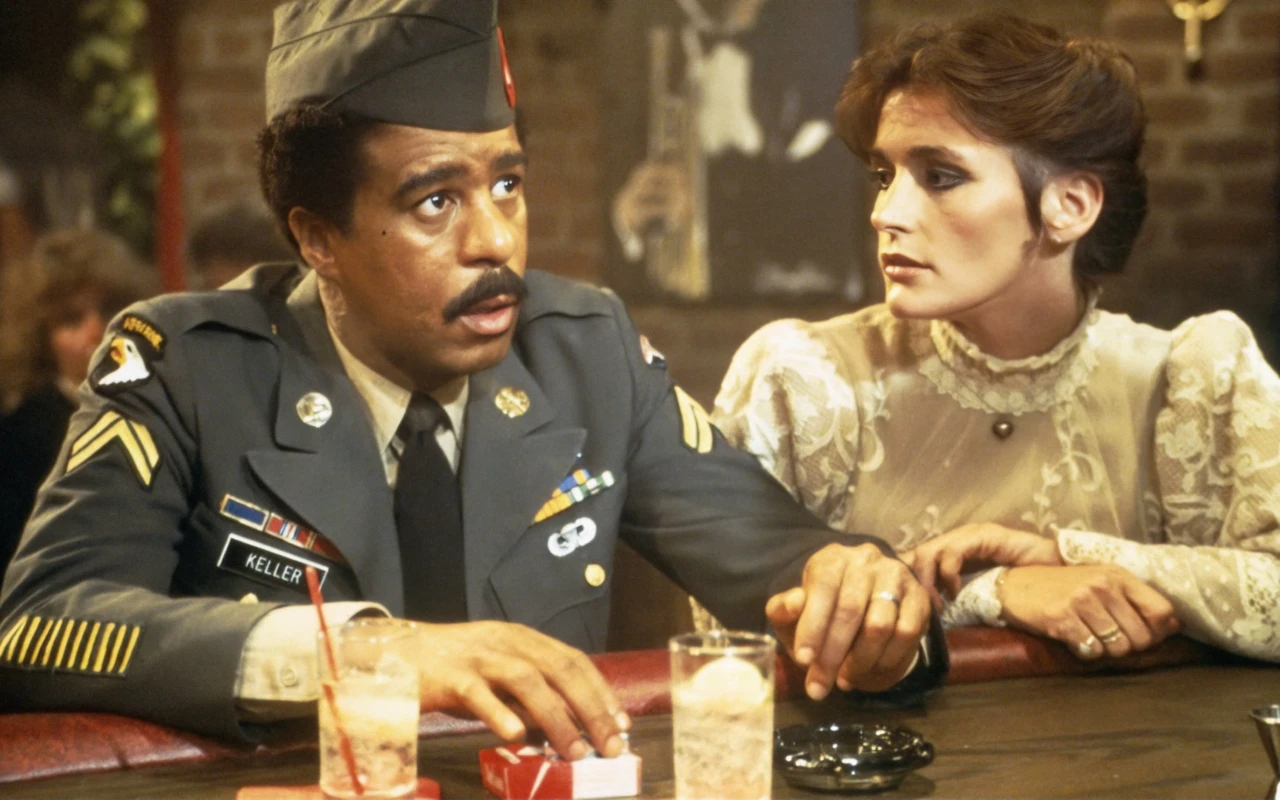
AceShowbiz - In 1980, I was given the rare chance to direct the legendary Richard Pryor in a dramatic adaptation of James Kirkwood’s novel titled Some Kind of Hero. The story focused on a Vietnam veteran’s difficult transition back into society. Before securing the role, I had to be personally interviewed by Pryor, who had final approval over the director. Being a white, Jewish filmmaker from an upper West Side family with left-wing artistic values, I seemed an unlikely match, but Paramount’s then head of production, Don Simpson, believed we could create something unique. He was right.
Simpson was a bold industry figure who later rose to fame producing blockbuster hits alongside Jerry Bruckheimer, including the hugely successful Beverly Hills Cop starring Eddie Murphy. At the time I was fresh off directing Boulevard Nights, a film exploring gang violence within the Los Angeles Chicano community, featuring an all-Latino cast. The film was critically praised but flopped financially and was pulled from theaters by Warner Bros. due to the volatile climate around gang violence in cinemas. Interestingly, in 2025, it was rediscovered and selected by the Library of Congress for preservation as one of 25 significant films.
In December 1979, I flew to Hawaii to meet Pryor at his home in Hana, Maui, where he was recovering from a near-fatal accident caused by freebasing drugs. He had been out of work for a year and this film would mark his return to the screen. Our meeting took place on a private dock overlooking the Pacific, and though we initially spoke little, he challenged me directly: “Why do you want to make this movie?” I told him I believed it was an important story worth telling. He expressed concern the studio might push for a comedic war movie, but I promised to keep it a drama. When he asked if I’d researched him, I admitted I hadn’t; we agreed to rely on how we connected personally. This honesty built a foundation of trust between us.
Over two hours, we bonded over life and relationships, forging one of the most profound creative partnerships I’ve ever experienced. I treated Pryor as a serious dramatic actor rather than just a comic genius, which he appreciated. We even rehearsed for a week before shooting—a rare occurrence for him. Directing Pryor was magical; he adhered to the script but infused scenes with unpredictable spontaneity, teaching me the power of creative freedom. At one point, he called me a genius—not for my filmmaking, but jokingly for being “the worst f***ing dresser” he’d ever seen.
Despite our rapport, the film’s trajectory was soon sabotaged by systemic racism entrenched in studio leadership. The screenplay included an intimate love scene between Pryor and his co-star, the talented actress Margot Kidder. We believed the graphic nature of the scene was essential to honestly portray how love can evolve from raw physical connection. We spent an entire day filming that sequence—moving through a living room, bathtub, and bedroom. It was a closed set, and all involved approached it professionally and with full commitment.
However, when Don Simpson viewed the dailies, he reacted with alarm. He withheld the footage from others and sent a stern letter to both Pryor and me, criticizing us for deviating from the film’s “intent.” His letter, though couched in politically correct studio jargon, clearly expressed racial anxieties: “The last thing he would want would be for Richard Pryor to lose his audience.” When Pryor saw the letter, he laughed it off, threw it away, and quipped, “Then I got laid.” We pressed on with filming.
At the studio screening of the director’s cut, I learned the room fell silent when the interracial love scene began—and it lasted over five minutes. The film ended with Pryor and Kidder driving off into the sunset together. Yet as the lights came up, the studio head declared, “They can’t end up together. Cut the sex scene.” Simpson, caught between supporting the film and fearing for his job, relayed this to me. It was plain no one at the studio had truly read the script. I questioned the sudden change, noting the script clearly had them together. The response was simply, “Now they don’t.”
Creative battles erupted. I kept Pryor informed and pledged to fight the censorship, but ultimately the studio had the power to take the film away. I did win some skirmishes; for example, I insisted and secured the contractual right to preview my cut with the full love scene intact, backed by the Directors Guild of America. But the biggest absurdity came when the studio agreed to a sneak preview—only in Anchorage, Alaska. I was incredulous: How many Black people lived in Anchorage? This felt like a symbolic burial of the film.
Accompanied by the editor, writer, and producer Howard Koch, I flew to Anchorage in a blizzard, joking that if we flew another 50 miles we could screen the film in Russia. Koch did not share my humor. The audience was sparse and the screening unremarkable. Upon returning, the studio’s cold treatment of the film was clear.
Some Kind of Hero was ultimately diminished by Hollywood’s racial biases, despite the remarkable talent and trust between myself and Pryor. The story behind this film remains a stark example of how institutional racism within the studio system can derail sincere artistic efforts, especially when confronting complex racial and social realities. My experience directing Richard Pryor on this project was one of the most rewarding of my career, yet the film’s potential was stifled by forces beyond our control. It stands as a reminder of the challenges Black actors and their collaborators have faced in Hollywood for decades—challenges that continue to resonate today.