Richard Pryor
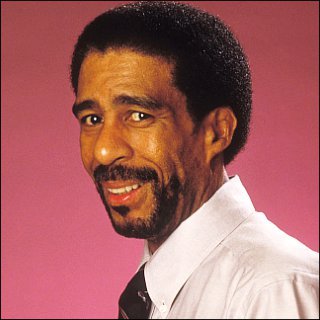
Richard Franklin Lennox Thomas Pryor III, known simply as Richard Pryor, was an influential American stand-up comedian and actor, celebrated for his sharp, unfiltered humor and profound storytelling ability. Born on December 1, 1940, in Peoria, Illinois, he emerged as a groundbreaking figure in comedy, known for addressing social issues and personal experiences that resonated with a wide audience. His career, which spanned several decades, left an indelible mark on the world of entertainment, earning him numerous accolades and a legacy that continues to inspire comedians today.
Pryor's early life was marked by challenges, including a tumultuous upbringing with a father, LeRoy Pryor, who was a former boxer, and a mother, Gertude Pryor, who worked as a waitress. Raised in a predominantly African American neighborhood, he was exposed to the complexities of race and culture from a young age. Despite the difficulties of his childhood, Pryor found solace in comedy and began performing in local clubs, where his unique style quickly garnered attention. His breakthrough came in the mid-1960s when he made memorable appearances on shows like The Tonight Show, establishing himself as a rising star in the comedy scene.
Pryor's career flourished as he became known for his raw and honest comedic voice, which often drew from his own life experiences. He produced a series of successful stand-up concert films and comedy albums, many of which received critical acclaim. Among his most notable works are the Grammy Award-winning albums, including "That Nigger's Crazy" (1974), "...Is It Something I Said?" (1975), and "Bicentennial Nigger" (1976). His concert films, such as Richard Pryor: Live on the Sunset Strip (1982) and Richard Pryor: Here and Now (1983), further showcased his ability to connect with audiences through humor that was both personal and socially relevant.
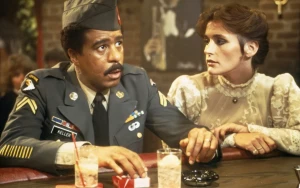
In addition to his stand-up success, Pryor enjoyed a prolific acting career, often starring in comedies that highlighted his exceptional comedic talents. He formed a dynamic partnership with Gene Wilder, with whom he collaborated on several successful films, including Silver Streak (1976), Stir Crazy (1980), and See No Evil, Hear No Evil (1989). His repertoire included notable films such as Uptown Saturday Night (1974), The Wiz (1978), and Superman III (1983). Pryor's versatility also allowed him to take on more serious roles, as seen in Blue Collar (1978) and Lost Highway (1997).
Throughout his career, Pryor received numerous accolades for his contributions to comedy and entertainment, including a Primetime Emmy Award and five Grammy Awards. In 1998, he was honored with the first Kennedy Center Mark Twain Prize for American Humor, cementing his status as a pioneer in the industry. He also received recognition from the Writers Guild of America for his exceptional writing.
Despite facing personal struggles, including battles with addiction and health issues, Pryor remained a beloved figure in comedy until his passing on December 10, 2005. His legacy endures through his groundbreaking work, which not only transformed the landscape of stand-up comedy but also paved the way for future generations of comedians. Richard Pryor's impact on the world of entertainment is undeniable, as he remains a symbol of authenticity and courage in addressing the complexities of life through humor.