John M. Chu responds to the critique regarding 'Wicked' color palette, saying he deliberately made the Emerald City look muted in his big-screen version of Oz.
- November 26, 2024
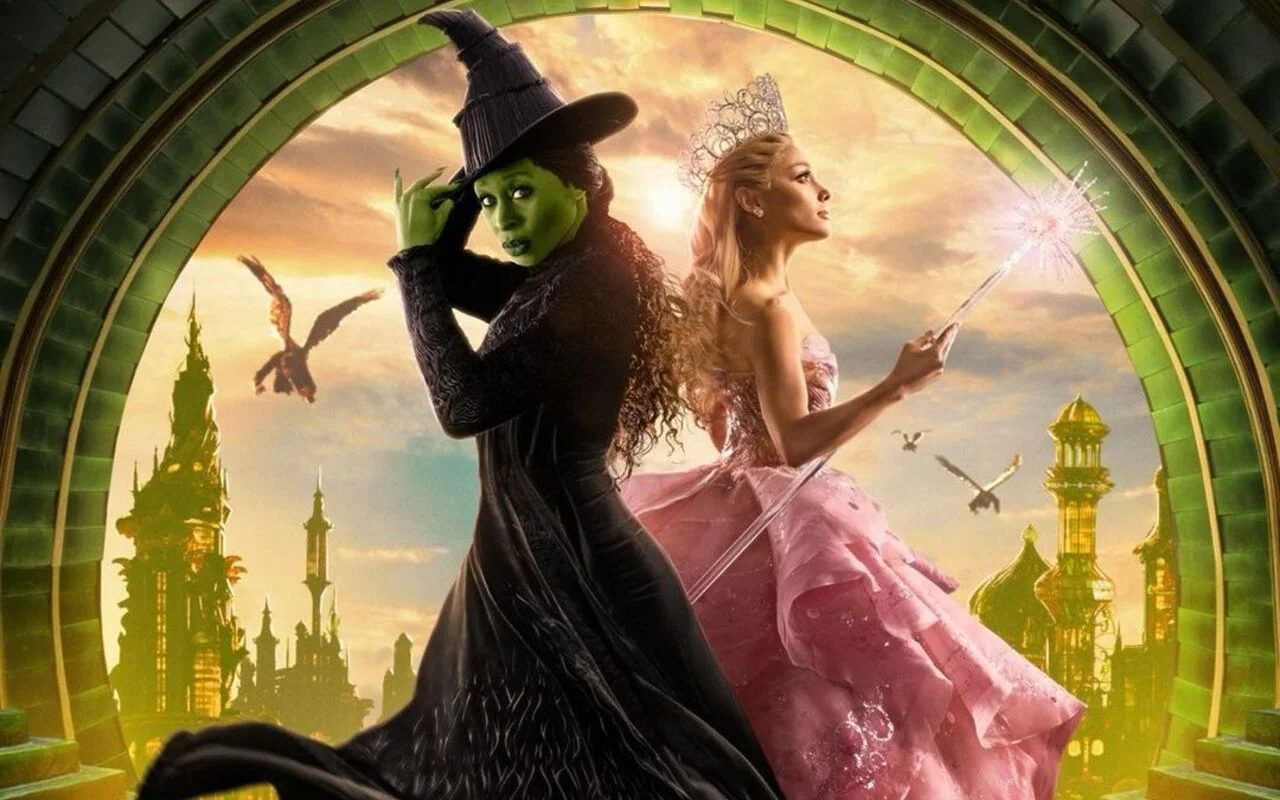
AceShowbiz - When director Jon M. Chu decided to bring the beloved Broadway musical "Wicked" to the big screen, he knew he was stepping into an illustrious yet daunting legacy. The vibrant technicolor dreamscape of Oz from "The Wizard of Oz" (1939) and the visually dynamic "Oz: The Great and Powerful" (2013) had set high expectations. However, Chu's take on the Emerald City, with its notably muted color grading, has sparked considerable debate among fans and critics alike.
Despite its rampant success, with a 97% fresh audience rating on Rotten Tomatoes and a strong opening weekend box office, some fans have taken issue with what they describe as the "desaturated" appearance of Oz in "Wicked." Chu admits that this was a deliberate choice, aimed at offering a more grounded and immersive portrayal of the magical realm.
"I mean, there's color all over it. I think what we wanted to do was immerse people into Oz, to make it a real place. Because if it was a fake place, if it was a dream in someone's mind, then the real relationships and the stakes that these two girls are going through wouldn't feel real," explained Chu to The Globe and Mail.
In stark contrast to previous cinematic iterations, Chu's vision for "Oz" is less of a dreamscape and more of a tactile, lived-in world. This decision aligns with his goal of establishing a tangible backdrop against which the complex relationship between Elphaba (Cynthia Erivo) and Glinda (Ariana Grande) unfolds.
He elaborates further, "It's also [presented in] a way we have not experienced Oz before. It's been a matte painting. It's been a video game digital world. But for us, I want to feel the dirt. I want to feel the wear and tear of it. And that means it's not plastic."
This approach extends to the movie's lighting choices as well. Natural sunlight serves as the "main source" of illumination in this iteration of Oz, enhancing the sense of realism. But Chu said that audiences would witness an evolution in the color palette as Elphaba's story progresses. "The [colour] contrast goes up over time because that is what Elphaba brings to this world," he notes, suggesting that "Wicked: Part Two" may offer a visually different experience.
As the conversation around "Wicked" continues, it's clear that Chu's audacious reimagining of "Oz" has stirred strong opinions. While some long for the bold colors of yesteryear, others appreciate the grounded relatability that this new color palette brings to the fore. Regardless of the critics, "Wicked" stands as a testament to the power of reinterpretation, inviting audiences to see a beloved world through fresh, albeit desaturated, eyes.