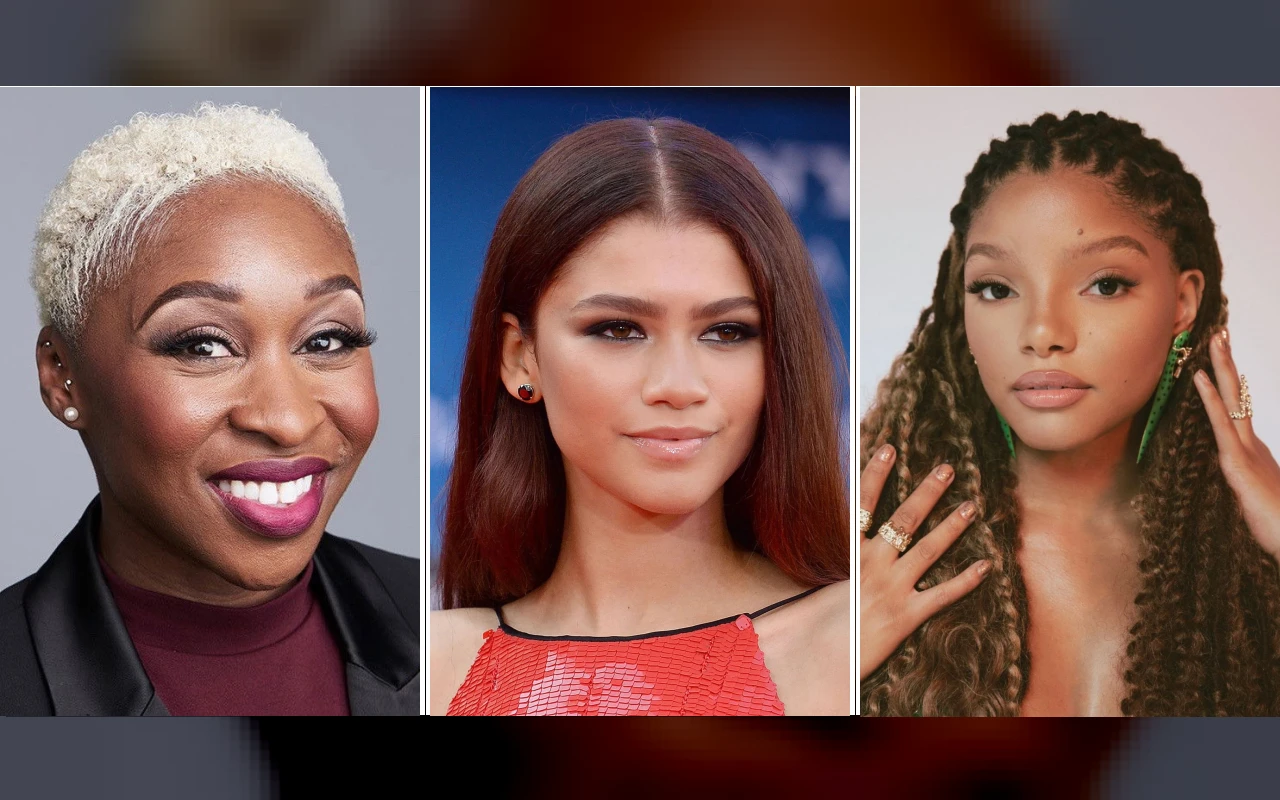
Cynthia Erivo makes history as the first Black Elphaba in Wicked. Discover her groundbreaking role, cultural impact, and powerful journey to Oz.
- March 14, 2026
AceShowbiz - Cynthia Erivo made a groundbreaking impact by playing Elphaba Thropp in the two-part film adaptation of Wicked, a role historically dominated by white actresses. Despite Elphaba’s iconic green appearance, Cynthia initially doubted she would portray the character on screen, as only one other Black woman, Alexia Khadime, had played Elphaba full-time in the West End over the past 20 years.
"When you're in this skin and you walk around, you are immediately an 'other,'" Cynthia told Elle in November 2024. She described stepping into Elphaba’s role as a powerful experience of embodying someone who has also been marginalized. Cynthia expressed hope that her portrayal would open doors and shift perceptions across theater and film stages.
Honoring her Black identity, Cynthia requested micro braids for Elphaba’s hair, blending the character’s traditional look with cultural representation. For her performance in Wicked, Cynthia earned nominations for an Oscar, BAFTA, Golden Globe, and two SAG Awards, highlighting her standout presence and the significance of her role.
Halle Bailey experienced a similar cultural moment when she was cast as Princess Ariel in the 2023 live-action adaptation of The Little Mermaid. Her casting sparked controversy among some fans who were upset that the traditionally white animated character was portrayed by a Black actress. Despite the backlash, Halle focused on the positive responses and the encouragement from many who saw her as a symbol of representation.
In a 2022 interview with Variety, Halle shared how inspiring it was to hear words of support, especially from Black and brown communities who saw themselves reflected in her performance. She acknowledged the deep impact her role would have on young girls of color, affirming their visibility in mainstream media.
Brandy, who played Cinderella in the 1997 television movie, offered Halle guidance during this period of scrutiny. She advised Halle to surround herself with positivity and to live authentically, not conforming to others’ expectations in the entertainment industry. Brandy highlighted the importance of self-belief amidst external pressures.
These actresses—Cynthia, Halle, and Brandy—are part of a broader movement of Black women breaking barriers in Hollywood through roles that challenge traditional casting norms and celebrate diversity.
Returning to Cynthia Erivo's portrayal of Elphaba, she expressed to Variety in November 2024 that telling Elphaba’s story was a tribute to those who feel marginalized or out of place, especially Black women who often feel unwelcome in many spaces. Her choice to style Elphaba’s hair in micro braids was a deliberate connection between her own identity and the character’s unique narrative.
In a follow-up interview, Cynthia explained to Refinery29 how embracing her own skin and beauty helped her approach the role with confidence. She emphasized that Elphaba’s outward difference is something she has lived with her entire life, and that confidence in her appearance was essential for the character’s authenticity. This approach highlights the nuanced experience of Black women navigating spaces where they are often the only ones present.
Halle Bailey described a personal affinity with Ariel’s journey of self-discovery and determination. Speaking to Variety in August 2022, she connected deeply to Ariel’s longing and unyielding spirit. Halle also stressed the vital role of diverse representation in children’s media, explaining how seeing oneself reflected on screen can profoundly influence confidence and self-worth.
For the demanding role of Ariel, Halle undertook rigorous physical training, including early morning gym sessions and stunt rehearsals. She told USA Today in May 2023 that performing underwater scenes while singing required intense core strength and stamina to make the movements appear natural and effortless.
Meanwhile, Zendaya made waves with her role as Michelle Jones (MJ) in 2017’s Spider-Man: Homecoming, starring alongside Tom Holland. Despite her character being a biracial love interest—a departure from previous white love interests in the Spider-Man franchise—Zendaya faced criticism from some fans resistant to this change.
Speaking candidly to The Hollywood Reporter in November 2016, Zendaya dismissed the backlash as baseless, noting that the character’s identity in the comics is not fixed and that critics were merely fabricating reasons to object. She pointed out that her casting reflected the reality of diverse communities, especially in cities like New York, and expressed hope that audiences would embrace this representation.
Brandy's role as Cinderella was a landmark moment for representation in 1997. Her image—wearing a diamond tiara atop braids and a baby blue gown—offered a new vision of a princess that resonated with Black audiences. On Good Morning America in August 2022, she reflected on how the film empowered Black children and changed perceptions about who could be a princess.
Brandy acknowledged that while she understood the significance of the role, she did not fully grasp its cultural impact until seeing the finished product and hearing from fans over the years. She recounted hearing many say that her portrayal inspired them to believe in their own potential to be royalty or heroes.
Each of these actresses—Cynthia Erivo, Halle Bailey, Zendaya, and Brandy—have contributed to breaking down longstanding barriers in Hollywood. Their standout roles challenge traditional casting conventions and bring much-needed diversity to iconic characters, inspiring audiences and future generations of performers.
This wave of change underscores the importance of representation in media and the power of storytelling to broaden perspectives. By embracing roles that highlight resilience, identity, and empowerment, these women have not only redefined their characters but also expanded the cultural imagination of who can lead and be celebrated in film and theater.
As Hollywood continues to evolve, the trail blazed by these actresses serves as a reminder of the ongoing work needed to create truly inclusive narratives. Their achievements mark significant milestones in the journey toward equity and visibility for Black women in entertainment.