Terrence Vance Gilliam, born on 22 November 1940 in Minnesota, stands as one of cinema's most singular and visionary talents, a filmmaker whose career has spanned more than five decades and defied easy categorization. As the only American-born member of the legendary comedy troupe Monty Python, Gilliam carved a unique path that began with surreal animation and evolved into a celebrated directorial career marked by dystopian themes, dark comedy, and a relentless battle against bureaucratic conformity. After becoming a naturalised British citizen in 1968 and formally renouncing his American citizenship in 2006, he has remained a towering, often controversial figure in world cinema, earning accolades including the BAFTA Fellowship for lifetime achievement in 2009 alongside nominations for an Academy Award, a Golden Globe, and a BAFTA.
Gilliam's career began in the 1960s as an animator and strip cartoonist, a background that proved instrumental when he joined the fledgling Monty Python troupe. His distinctive cut-out animation style, which blended Victorian engravings with jarring, absurdist imagery, became a signature element of Monty Python's Flying Circus (1969–1974), the sketch show that catapulted him and his collaborators—John Cleese, Eric Idle, Michael Palin, Terry Jones, and Graham Chapman—to international stardom. Though initially hired solely as an animator, Gilliam gradually stepped into acting roles and became a full member of the group, contributing to their landmark films Monty Python and the Holy Grail (1975), which he co-directed, Life of Brian (1979), and The Meaning of Life (1983). The troupe's collective genius was recognised with the BAFTA Award for Outstanding British Contribution to Cinema in 1988, cementing their legacy as comedy pioneers.
As the Python members began pursuing solo projects, Gilliam transitioned fully into filmmaking, directing the short The Crimson Permanent Assurance, which earned him a BAFTA nomination for Best Short Film, before making his solo directorial debut with the medieval comedy Jabberwocky (1977). However, it was Time Bandits (1981) that marked his true breakthrough, a wildly imaginative fantasy that became the first instalment of what fans would later call his "Trilogy of Imagination." This was followed by the towering dystopian masterpiece Brazil (1985), a darkly satirical vision of a totalitarian future that earned Gilliam his first Academy Award nomination for Best Original Screenplay, and the opulent, troubled production of The Adventures of Baron Munchausen (1988), which completed the trilogy. Gilliam continued to explore themes of imagination clashing with authoritarianism in The Fisher King (1991), a tragicomedy that earned him a Golden Globe nomination for Best Director, and the mind-bending science fiction thriller 12 Monkeys (1995), which became one of his most commercially successful works.
Throughout his later career, Gilliam has remained a fiercely independent and often controversial figure, directing the hallucinatory adaptation Fear and Loathing in Las Vegas (1998), the dark fairy tale The Brothers Grimm (2005), and The Imaginarium of Doctor Parnassus (2009), a production famously completed after the sudden death of its star Heath Ledger, with the role being reworked among several actors. His most notorious project, The Man Who Killed Don Quixote, spent decades in development hell with numerous setbacks before finally premiering in 2018, a testament to his stubborn persistence in the face of seemingly insurmountable obstacles. Now in his eighties, Gilliam remains an active and outspoken figure in the film industry, celebrated for his uncompromising vision and his unique ability to blend the whimsical with the bleak, ensuring his place as one of the most distinctive and influential filmmakers of his generation.
⭐
Similar Celebrities




📷
Recent Photos
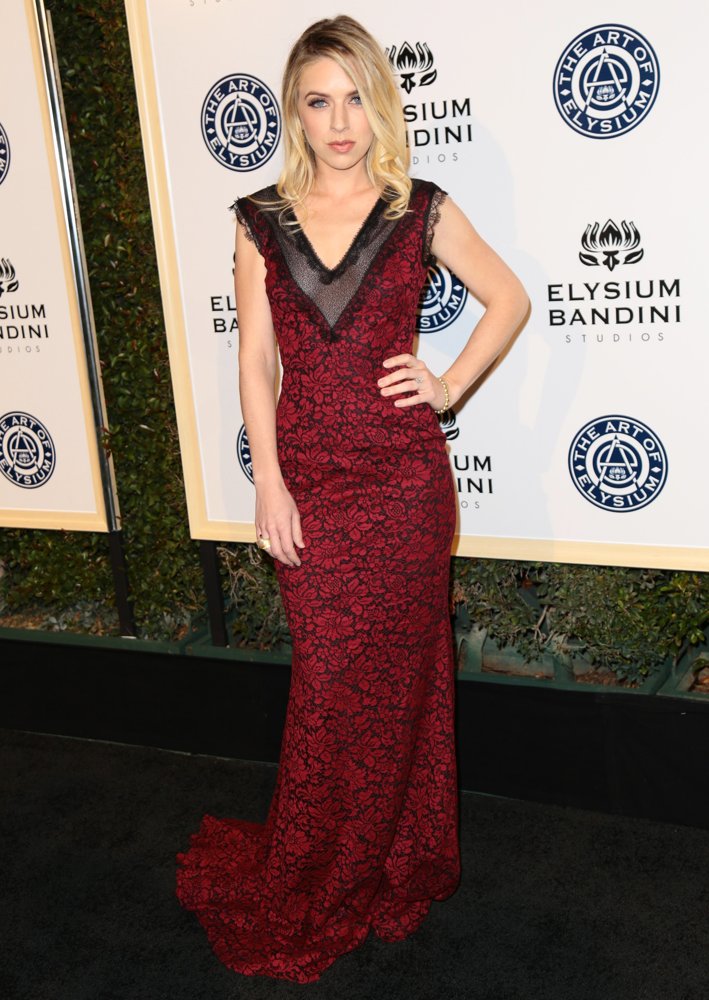
ZZ Ward
The Art of Elysium Presents Stevie Wonder's HEAVEN - Celebrating The 10th Anniversary
Jan 7, 2017

Esther Zynn
Nickelodeon's 2016 Kids' Choice Awards - Arrivals
Mar 12, 2016

Esther Zynn
Nickelodeon's 2016 Kids' Choice Awards - Arrivals
Mar 12, 2016
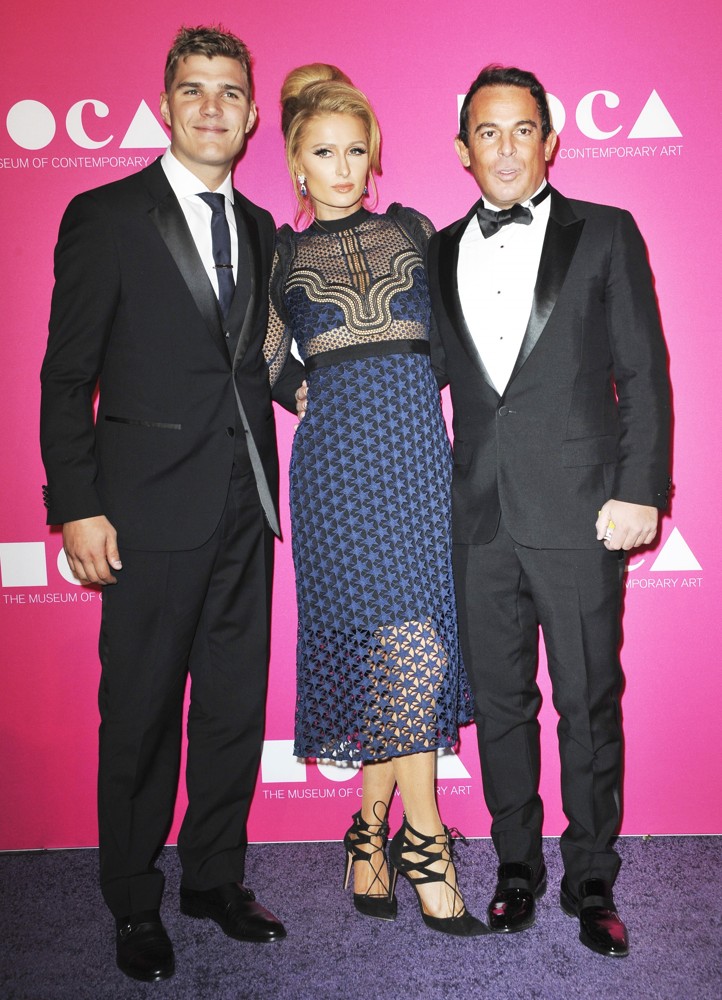
Chris Zylka
MOCA Gala 2017
Apr 29, 2017

Lucas Zwirner
21 Bridges Screening
Nov 19, 2019
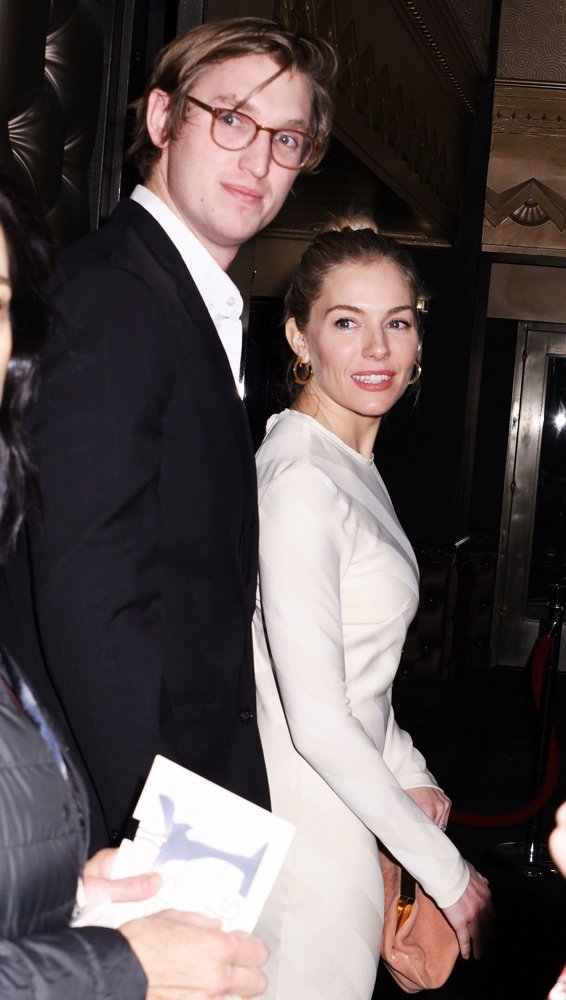
Lucas Zwirner
The 72nd Annual Writers Guild Awards
Feb 1, 2020


⭐Featured Celebrities