Born Marilyn Pauline Novak on February 13, 1933, in Chicago, Illinois, Kim Novak would rise to become one of the most enigmatic and celebrated actresses of Hollywood's Golden Age. The daughter of a Czech-American family, she initially pursued a career as a model before her striking beauty and natural screen presence caught the attention of talent scouts. After relocating to Los Angeles, she signed a contract with Columbia Pictures in 1954, a move that would catapult her into the upper echelon of film stardom with remarkable speed. Under the careful guidance of studio head Harry Cohn, Novak was rebranded as "Kim," and she quickly established herself as a top box office draw, known for her ethereal looks, cool blonde allure, and a palpable vulnerability that set her apart from her contemporaries.
Novak’s breakthrough came in 1955 with two landmark films that showcased her range and cemented her status as a leading lady. In Picnic, she delivered a sultry, memorable performance opposite William Holden, earning a Golden Globe for Most Promising Newcomer and capturing the imagination of audiences with her iconic dance scene. That same year, she starred alongside Frank Sinatra in The Man with the Golden Arm, a gritty drama that further demonstrated her ability to hold her own against powerhouse performers. She continued her ascent with Pal Joey (1957), again pairing with Sinatra, and solidified her reputation as a versatile actress capable of navigating both romantic comedies and intense melodramas. However, it was her collaboration with the legendary director Alfred Hitchcock in 1958’s Vertigo that would forever define her legacy. In the film, Novak played dual roles—the enigmatic Madeleine Elster and the earthy Judy Barton—in a haunting tale of obsession and identity. Widely hailed as one of the greatest films ever made, Vertigo showcased Novak’s extraordinary ability to convey psychological depth, and her performance remains a cornerstone of cinematic history.
Following the triumph of Vertigo, Novak continued to work prolifically, starring in Bell, Book and Candle (1958) alongside James Stewart, and Strangers When We Meet (1960) with Kirk Douglas. Her career took a daring turn with Kiss Me, Stupid (1964), a controversial comedy directed by Billy Wilder, which, despite mixed reviews, underscored her willingness to take risks. By 1965, however, Novak began to retreat from the relentless demands of Hollywood, choosing to prioritize her personal life and artistic passions. She largely withdrew from acting, though she made notable returns in The Mirror Crack'd (1980), alongside an all-star cast including Elizabeth Taylor and Rock Hudson, and later took on a regular role in the primetime drama Falcon Crest from 1986 to 1987. Her final film appearance came in Liebestraum (1991), but a disappointing experience during its production led her to officially retire from acting.
Beyond the silver screen, Novak has cultivated a rich and fulfilling life as a visual artist. She has devoted decades to painting, studying formally and displaying her works in major galleries across the country, earning recognition as a serious painter in her own right. Her enduring contributions to cinema have been honored with numerous accolades, including two Golden Globe Awards, an Honorary Golden Bear from the Berlin International Film Festival, and a Golden Lion for Lifetime Achievement at the Venice Film Festival. She also received a star on the Hollywood Walk of Fame, a fitting tribute to a career that left an indelible mark on the film industry. In her later years, Novak has remained a beloved and iconic figure, occasionally making public appearances and reflecting on her storied past. Her legacy, anchored by the timeless brilliance of Vertigo, endures as a testament to her singular talent and the enduring power of classic Hollywood.
⭐
Similar Celebrities

📷
Recent Photos
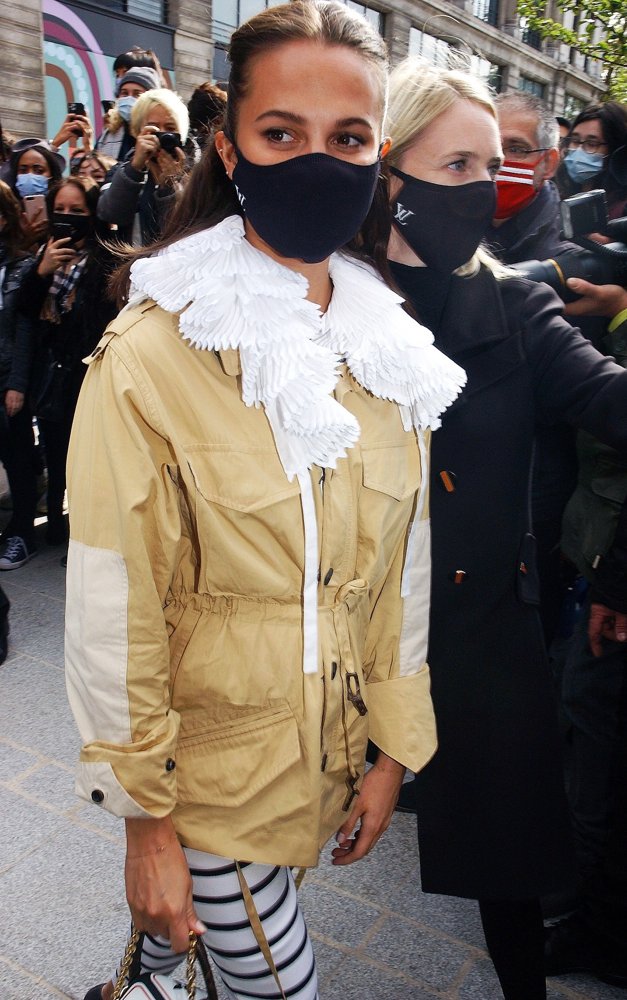
Alicia Vikander
Louis Vuitton: Outside Arrivals - Paris Fashion Week - Womenswear Spring Summer 2021
Oct 6, 2020
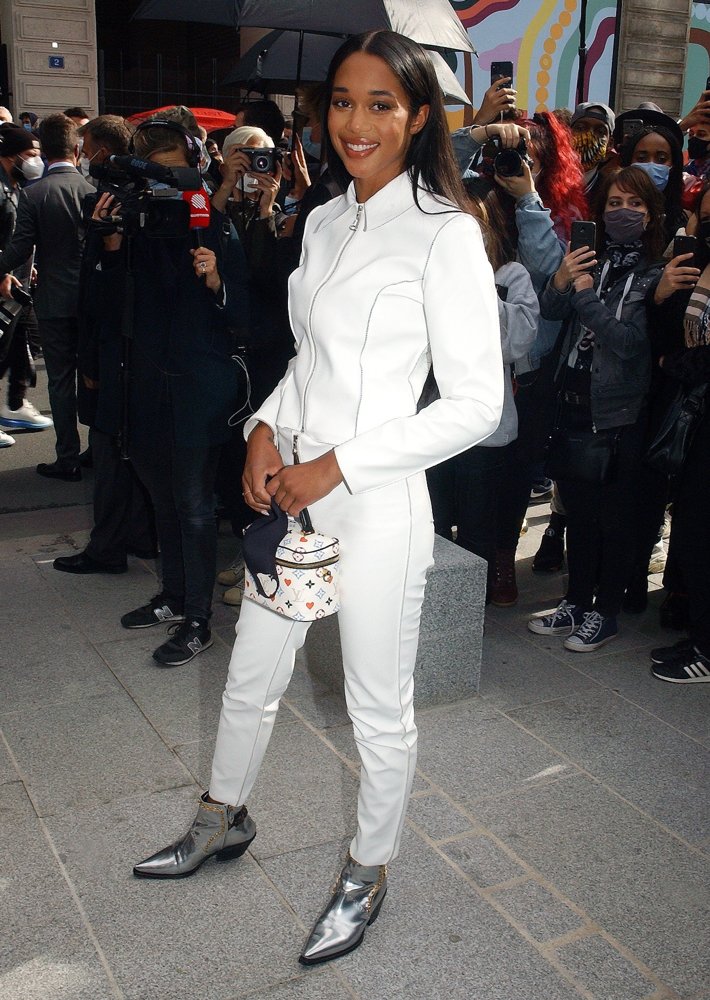
Laura Harrier
Louis Vuitton: Outside Arrivals - Paris Fashion Week - Womenswear Spring Summer 2021
Oct 6, 2020
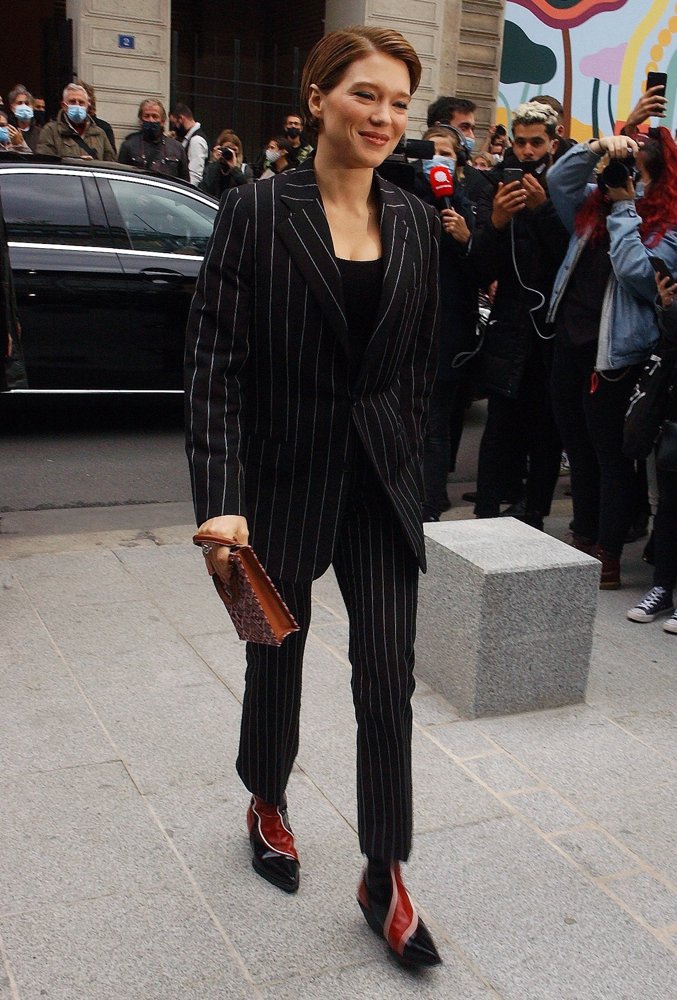
Lea Seydoux
Louis Vuitton: Outside Arrivals - Paris Fashion Week - Womenswear Spring Summer 2021
Oct 6, 2020

Venus Williams
Louis Vuitton: Outside Arrivals - Paris Fashion Week - Womenswear Spring Summer 2021
Oct 6, 2020

Lottie Moss
Lottie Moss Arrives at Portland Square for A Dinner
Oct 7, 2020
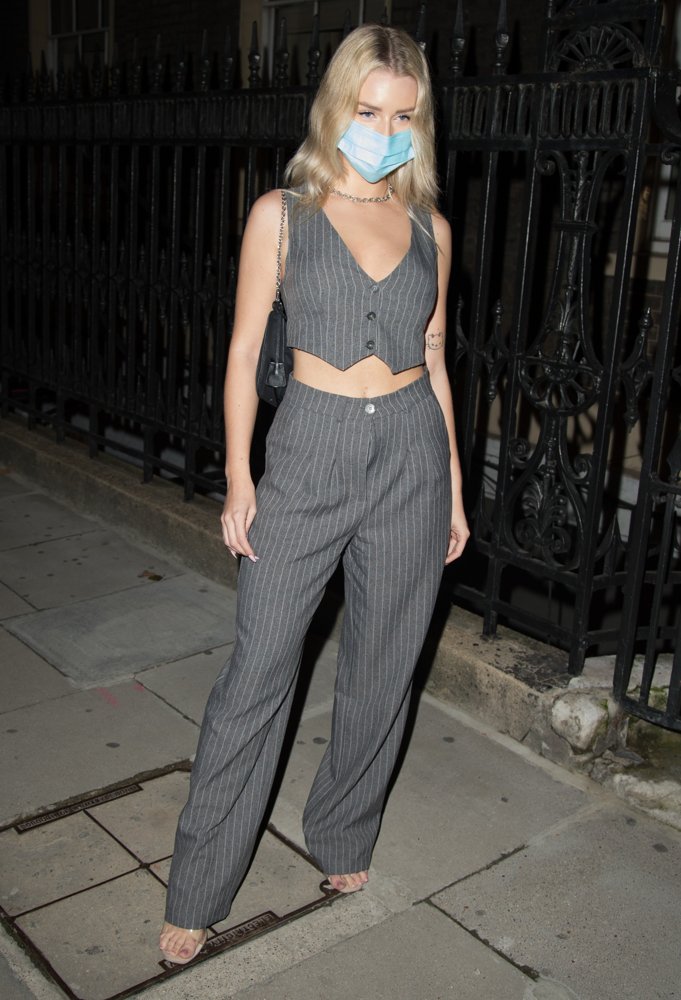
Lottie Moss
Lottie Moss Arrives at Portland Square for A Dinner
Oct 7, 2020