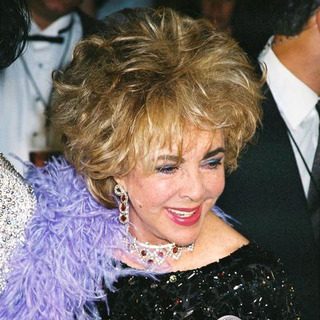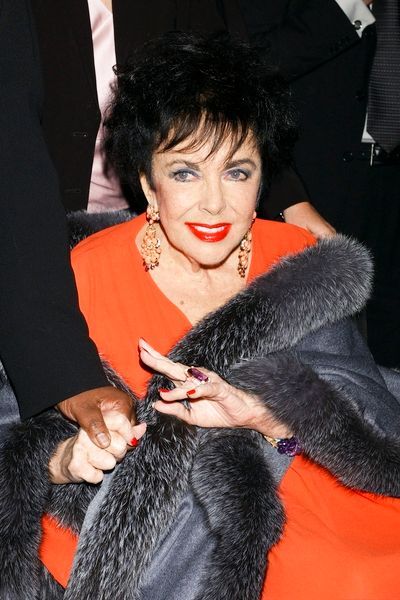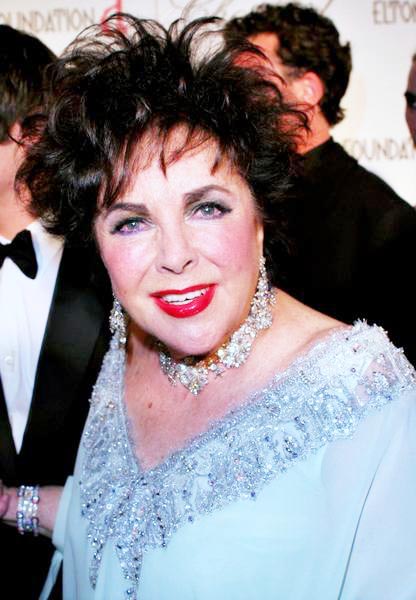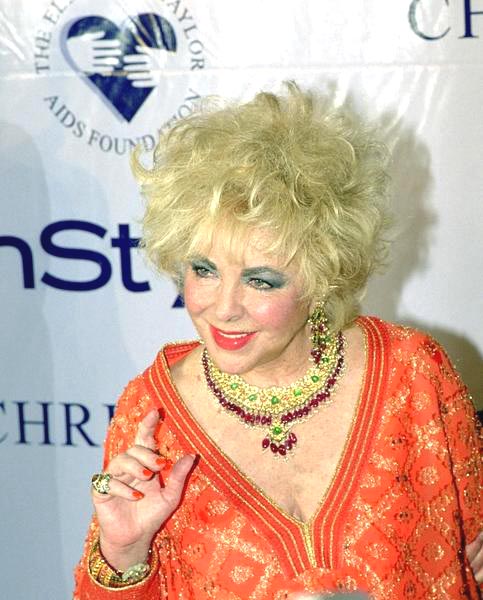
Elizabeth Taylor
- Attended school on the Metro-Goldwyn-Mayer
- Received a diploma from University High School in Los Angeles on January 26, 1950
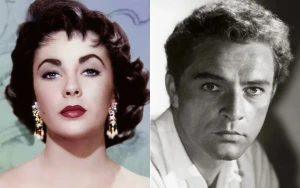
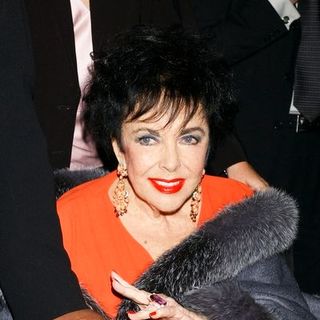
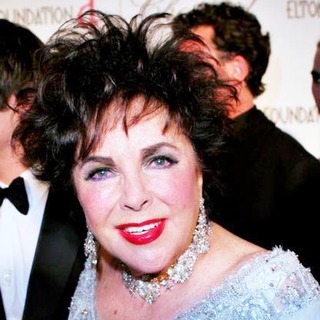
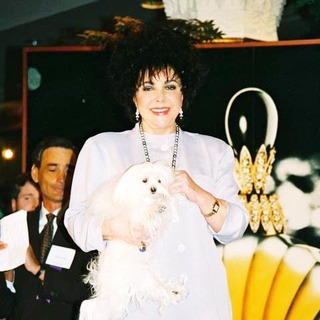
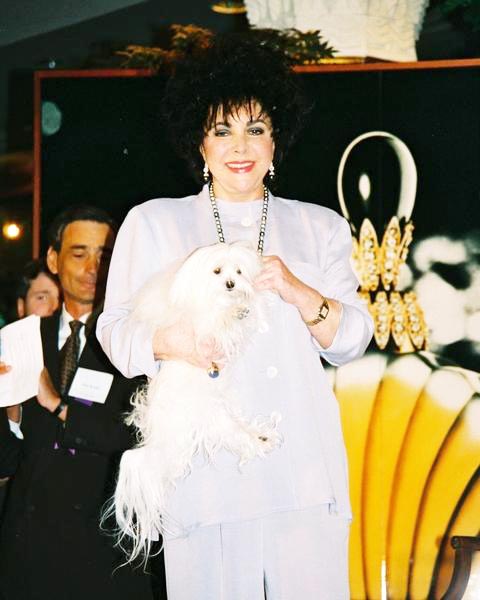
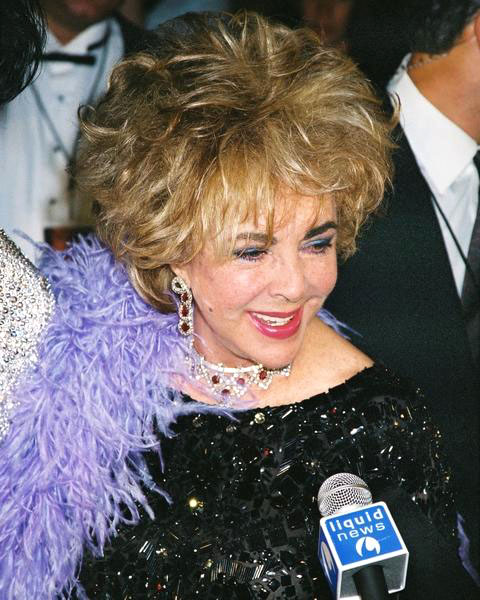
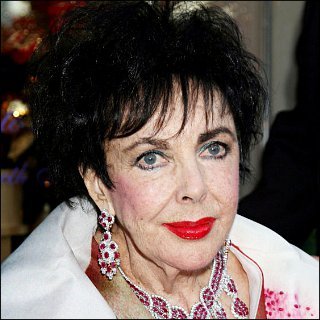
Dame Elizabeth Rosemond Taylor was a British and American actress whose remarkable career spanned over six decades, making her one of the most iconic figures of classic Hollywood cinema. She was born on February 27, 1932, in Hampstead, London, to socially prominent American parents, Francis Lenn Taylor and Sara Viola Warmbrodt Taylor. Taylor moved to Los Angeles with her family in 1939, where her journey in the entertainment industry began.
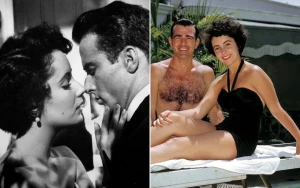
Elizabeth Taylor made her acting debut as a child actress in the early 1940s, appearing in the film There's One Born Every Minute (1942). Although her first contract with Universal Pictures ended after a year, her fortunes changed when she signed with MGM. It was with MGM that she became a popular teen star, particularly known for her captivating performance in National Velvet (1944). As she transitioned into mature roles in the 1950s, Taylor starred in several significant films, including the comedy Father of the Bride (1950) and the critically acclaimed drama A Place in the Sun (1951). She showcased her versatility further in Ivanhoe (1952) alongside Robert Taylor and Joan Fontaine.
Despite her success, Taylor grew increasingly dissatisfied with her career in the early 1950s, feeling stifled by MGM's control over her projects. However, her fortunes shifted again in the mid-1950s as she began to receive more fulfilling roles, such as in the epic drama Giant (1956) and two adaptations of plays by Tennessee Williams, Cat on a Hot Tin Roof (1958) and Suddenly, Last Summer (1959). Her performance in the latter earned her a Golden Globe for Best Actress. Although she was reluctant about her role in BUtterfield 8 (1960), it won her the Academy Award for Best Actress.
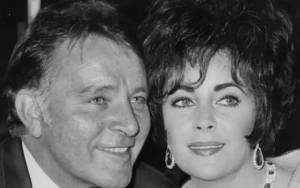
One of her most notable roles came in Cleopatra (1963), a film that not only showcased her acting prowess but also became a cultural phenomenon due to its lavish production. Her relationship with her co-star, Richard Burton, became a focal point of media attention, earning them the nickname "Liz and Dick." The couple starred together in eleven films, including The V.I.P.s (1963), The Sandpiper (1965), The Taming of the Shrew (1967), and the critically lauded Who's Afraid of Virginia Woolf? (1966), for which Taylor won her second Academy Award.
Taylor's personal life was as tumultuous as her professional one, marked by seven marriages, including high-profile unions with Conrad Hilton Jr, Michael Wilding, Mike Todd, Eddie Fisher, and John Warner. Her marriage to Burton was particularly notable, as they married twice, first in 1964 and again in 1975 after a brief divorce. In the late 1970s, she shifted her focus towards supporting Warner's political career.
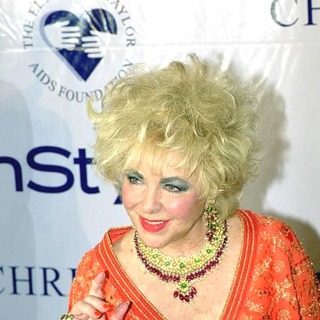
In the 1980s, Elizabeth Taylor transitioned to stage performances and television films. She became a pioneer in celebrity fragrance, launching her own perfume brand, and she was one of the first public figures to actively engage in HIV/AIDS activism. Co-founding the American Foundation for AIDS Research in 1985 and establishing the Elizabeth Taylor AIDS Foundation in 1991, she dedicated much of her later life to philanthropy, earning accolades for her humanitarian efforts, including the Presidential Citizens Medal in 2001.
Elizabeth Taylor passed away on March 23, 2011, leaving behind a legacy as one of Hollywood's greatest stars and a formidable advocate for causes close to her heart. Her contributions to film and her philanthropic work continue to resonate, solidifying her place in both cinematic and social history.