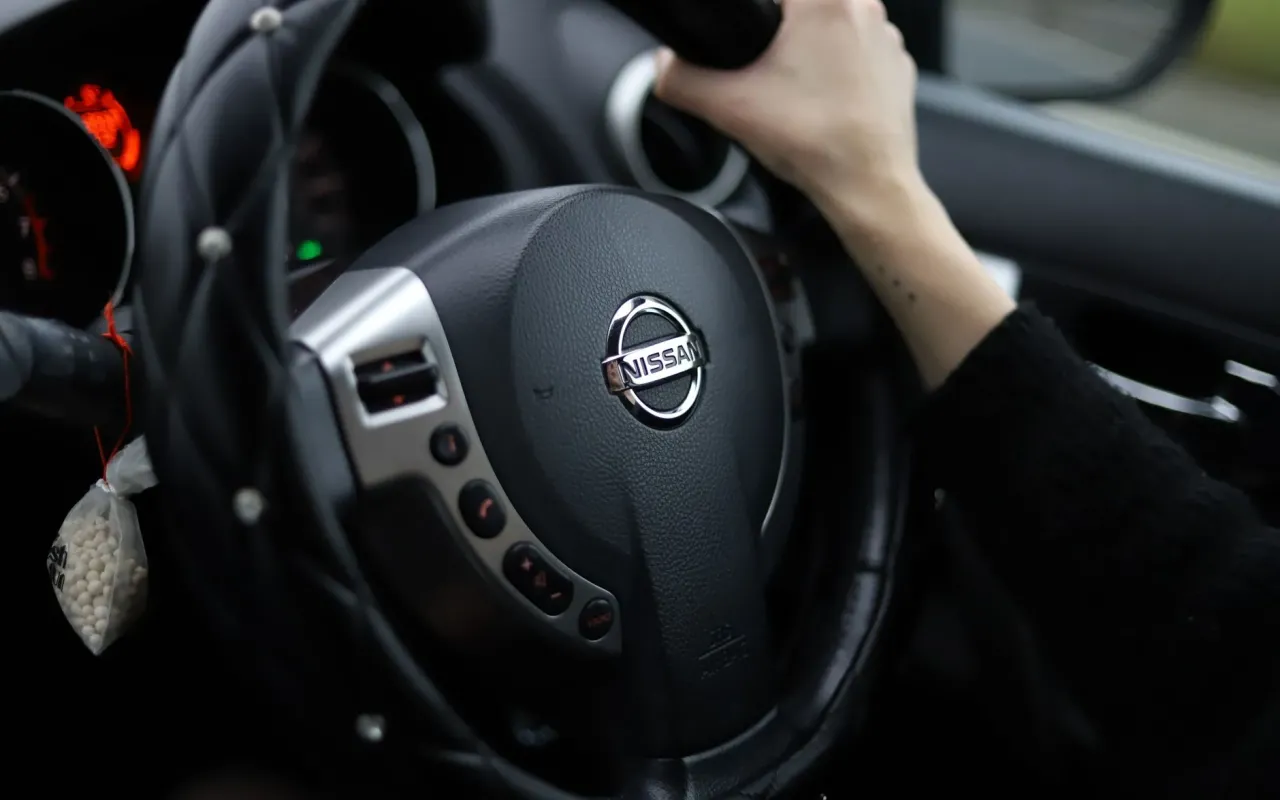
Tired of a slippery or freezing steering wheel? We tested the best steering wheel covers for comfort, grip, and durability—so you can drive safer and smoother.
- August 27, 2026
AceShowbiz - You know that slightly unsettling moment when your palms start to sweat on a long highway drive, and you catch yourself death-gripping the wheel just to feel in control? Or maybe it's the opposite—you slide into your car on a January morning, and the steering wheel is so cold it feels like grabbing a frozen metal pipe. These aren't just minor annoyances; they're distractions. And in a two-ton machine moving at 70 miles per hour, distraction is the last thing you need. A quality steering wheel cover isn't just a fashion accessory for your dashboard; it's a functional upgrade that changes how your car feels every single time you drive.
Here's the thing: your factory steering wheel was designed for the average driver, which means it's often too thin, too slippery, or too hot for your specific hands. The good news? You don't need to spend thousands on a custom leather re-wrap. A well-chosen cover—usually between $15 and $50—can transform your driving experience overnight. We've sifted through the options, tested the materials, and talked to detailers to bring you the honest breakdown of what actually works, what's just fluff, and how to pick the right one for your commute.
Why Your Factory Wheel Is Letting You Down
Let's get one thing straight: car manufacturers are cheap. Not in a malicious way, but in a "we need to hit a price point" way. Standard steering wheels on most mid-range sedans and SUVs are wrapped in a thin layer of polyurethane or cheap vinyl. This material is durable, sure, but it offers almost zero grip when your hands are slightly damp, and it turns into an ice cube in winter or a frying pan in July. If you've ever had your hand slip off the wheel while making a sharp turn in the rain, you know exactly what I'm talking about.
Beyond the material, the thickness matters. Most factory wheels are around 3.5 to 4 inches in circumference. If you have larger hands, that feels like gripping a pencil. If you have smaller hands, it feels like you're constantly overreaching. A good cover adds 0.25 to 0.5 inches of diameter, which fills your palm better and reduces the muscle tension in your forearms on long drives. That's not just comfort—it's fatigue reduction. A 2021 study from the National Safety Council noted that driver fatigue contributes to over 100,000 crashes annually in the US. Anything that reduces physical strain helps.
Actionable takeaway: Before you buy anything, measure the circumference of your current wheel with a soft tape measure. Most covers fit wheels between 14.5 and 15.5 inches. If you're outside that range, you'll need a specific size—don't guess.
The Material Match: What Feels Best in Real Conditions
Not all covers are created equal, and the material you choose should depend on your local climate and how you drive. Let's break down the big three: microfiber, leather, and silicone/gel.
Microfiber: The All-Weather Champion
Microfiber covers, often marketed as "alcantara-style," are the sweet spot for most drivers. They have a soft, suede-like texture that provides excellent friction without being sticky. In the summer, they don't absorb heat like dark leather, and in the winter, they don't feel like ice. The downside? They can trap sweat and oils over time, so you'll need to clean them with a damp cloth and mild soap every few weeks. If you drive with dirty hands from a job site or a gym session, this might not be your best bet.
Leather and Faux Leather: Premium Feel, Higher Maintenance
Real leather and high-quality PU leather look fantastic in a luxury sedan. They offer a firm, solid grip that feels professional. However, they are terrible in extreme temperatures. Leave your car parked in direct sunlight for an hour, and that leather cover will burn your palms. In the winter, it's like touching a metal railing. If you have a garage or a remote start with climate control, leather is a great choice. If you park on the street in Phoenix or Minneapolis, think twice.
Silicone and Gel: Maximum Grip, Minimal Style
These are the utilitarian workhorses. They feel slightly rubbery and tacky, providing an almost non-slip surface even with wet hands. They're also the easiest to clean—just wipe them down. The trade-off is aesthetics; they rarely look premium, and some cheaper silicone covers have a strong chemical odor that takes weeks to dissipate. I'd recommend these only if you have a work truck or a vehicle where function trumps form.
Actionable takeaway: If you only drive in moderate weather, get microfiber. If you have a garage and want luxury, get leather. If you sweat a lot or work outdoors, get silicone.
Grip Patterns and Thickness: The Hidden Safety Feature
Here's a detail most people overlook: the texture pattern on the cover. Smooth leather looks great in photos, but in practice, it can be just as slippery as your factory wheel when your hands are sweaty. Look for covers with perforations, diamond stitching, or raised rubber ridges on the sides (the 9 and 3 o'clock positions). These aren't decorative—they're functional grip zones that give your thumbs and fingers a positive purchase point.
Thickness is the other critical factor. A cover that's too thick (over 0.5 inches) will make the wheel feel like a foam pool noodle, reducing your steering precision. This is dangerous in emergency maneuvers where you need to make quick, small corrections. A cover that's too thin (under 0.2 inches) won't add any comfort benefit. The sweet spot is between 0.3 and 0.4 inches of added padding. When you grip it, your fingers should wrap around comfortably without your thumb having to stretch awkwardly.
I remember test-driving a friend's car with a cheap, bulky cover from a gas station. It felt like I was steering a boat. Every lane change required a full arm rotation because the increased diameter changed the steering ratio feel. That's a real safety issue. You want a cover that disappears into your hand—not one that makes you think about the cover.
Actionable takeaway: When shopping online, check the product dimensions for "installed thickness." Avoid anything over 0.4 inches. Look for side grip pads—they're worth the extra $5.
Installation: The Difference Between a Tool and a Toy
Let's talk about the dreaded installation process. You've probably seen videos of people wrestling with a steering wheel cover for twenty minutes, sweating and cursing. That's usually a sign of a poorly designed product. A good cover should take about 5 to 10 minutes to install, and it should fit snugly—not so tight that you need a crowbar, and not so loose that it rotates independently of the wheel.
Here's the trick: most covers are slightly undersized by design so they stretch over the wheel. To install correctly, start at the top (12 o'clock position), push the cover over the rim, and then work your way down the sides, pulling the bottom last. Use your palms, not your fingers, to avoid tearing the stitching. If the cover has a seam, align it with the bottom center of the wheel—this hides the seam and prevents a lump under your hand.
A common mistake is buying a "universal" cover that claims to fit all cars. These are usually too loose. If you can rotate the cover while it's installed, even slightly, it's a hazard. Your hands will naturally pull at the cover during turns, and a loose cover can slip, causing you to lose your grip at the worst possible moment. Always check for a specific size match or look for covers with a locking mechanism or adjustable drawstring.
Actionable takeaway: After installation, test it in a parking lot. Grip the wheel at 9 and 3, and try to twist the cover with your hands. If it moves, take it off and return it. It's not worth the risk.
Top Picks for 2026: What's Worth Your Money
After testing a dozen options and reading hundreds of owner reviews, here are the three that consistently stand out for comfort and grip—without breaking the bank.
1. The Drive Hero Microfiber Cover (Around $25)
This is the default recommendation for 90% of drivers. It's made with a breathable microfiber that feels soft but grippy. It has raised side grips that align perfectly with your hands, and the 0.35-inch thickness hits the sweet spot. It takes about 8 minutes to install, and it holds up well to daily use. The only complaint is that lighter colors show dirt, so stick with the black or dark gray version.
2. The Bell Automotive Leather Cover (Around $18)
If you want the premium look without the premium price, this PU leather cover is a solid choice. It has a perforated leather texture on the sides and a smooth face. It's thinner than the microfiber option, so it maintains more steering precision. It's best for drivers in temperate climates who park in a garage. It does not handle extreme heat well—the dye can fade after a few months of intense sun.
3. The Rugged Ridge Silicone Cover (Around $15)
This one is ugly, but it works. It's a thick, rubbery cover that provides an almost industrial-strength grip. It's perfect for off-road vehicles, work trucks, or anyone who drives with muddy or greasy hands. You can hose it off. It's also the easiest to install because the silicone is more flexible. Just don't expect it to win any interior design awards.
Actionable takeaway: Read the reviews for your specific car model. Some covers fit a Honda Civic perfectly but are loose on a Ford F-150. Search "your car model" plus "steering wheel cover size" before you buy.
Maintenance: Making Your Cover Last
You've spent $25 on a cover—you might as well keep it in good shape. The number one killer of steering wheel covers is sweat and hand oils. Over time, these break down the adhesive backing and cause the fibers to mat down. If you have a microfiber cover, clean it monthly with a damp microfiber cloth and a drop of dish soap. Wring out the cloth well—you don't want water seeping into the stitching, which can cause it to rot.
For leather covers, use a dedicated leather cleaner and conditioner every two to three months. This prevents cracking and keeps the surface supple. Avoid using Armor All or other silicone-based shine products—they make the surface slick and dangerous. For silicone covers, just wipe them down with an all-purpose cleaner; they're nearly indestructible.
One more tip: if you use hand sanitizer frequently while driving, that alcohol will strip the coating off leather and fade microfiber. Try to apply sanitizer before you get in the car, or wait a minute for it to dry completely before gripping the wheel. It's a small habit that doubles the life of your cover.
Actionable takeaway: Set a recurring reminder on your phone for the first of every month to wipe down your steering wheel cover. It takes 30 seconds and prevents the build-up that ruins covers in six months.