Bringing home a second cat? Learn the step-by-step process to introduce new cats to resident cats peacefully, avoid fights, and build a lifelong friendship.
- August 26, 2026
AceShowbiz - You've fallen for a fluffy face at the shelter, and now you're standing in your living room holding a carrier while your current cat, Mr. Whiskers, gives you the look of pure betrayal. It's a scene many multi-cat households know well. According to the American Veterinary Medical Association, nearly 30% of U.S. households own at least one cat, and a significant portion of those owners eventually decide to add a second feline friend. But here's the hard truth: cats are not pack animals. Unlike dogs, who often greet newcomers with a wagging tail, cats are territorial by nature. A rushed introduction can lead to hissing matches, hidden litter box accidents, and even full-blown fights that end in vet visits.
The good news? With a little patience and a solid game plan, you can turn that initial hiss into a harmonious household. Most cats can learn to tolerate—and even genuinely enjoy—each other's company, but it won't happen overnight. The average introduction takes anywhere from a few days to several weeks, depending on the personalities involved. The secret lies in controlling the pace and letting the cats dictate the timeline. This guide will walk you through a proven, low-stress method that respects your resident cat's territory while giving your new arrival a fair shot at a happy forever home.
Before you even unzip that carrier, take a deep breath. Your goal isn't to make them instant best friends; it's to create a safe, neutral environment where both cats feel secure. Every hiss, growl, or swat is just communication, not a declaration of war. By understanding feline body language and following a gradual introduction process, you can dramatically reduce the risk of long-term animosity. Let's break down exactly what to do, step by step, so you can enjoy the double the purrs without the double the stress.
Why Rushing the Introduction Is a Recipe for Disaster
Imagine coming home to find a stranger sleeping in your bed and eating from your plate. That's precisely how your resident cat feels when a new feline suddenly appears in their domain. Cats are creatures of habit, and their territory is tied directly to their sense of safety. When that territory is invaded without warning, the resident cat's stress hormones spike, triggering a fight-or-flight response. This isn't just about being grumpy; it's a biological reaction designed for survival.
Rushed introductions often lead to "redirected aggression," a phenomenon where a cat who is upset by the newcomer takes it out on you, another pet, or even an inanimate object. I've seen cases where a well-meaning owner just plopped a new kitten on the floor, and within hours, the resident cat was hiding under the bed and refusing to eat for two days. That stress can also manifest physically—think urinary tract issues, over-grooming, or a sudden loss of appetite. These aren't just behavioral quirks; they're signs of a cat in genuine distress.
The "so what" here is simple: a slow introduction isn't just a nice-to-have; it's a medical and behavioral necessity. A study published in the Journal of Feline Medicine and Surgery found that cats who experience chronic stress are significantly more likely to develop feline interstitial cystitis, a painful bladder condition. By taking your time, you're not just saving your sanity—you're protecting your cats' long-term health. Think of the introduction process as an investment in a peaceful, vet-bill-free future.
Actionable Takeaway: Commit to a minimum of one full week of separation before allowing any face-to-face contact. This isn't cruel; it's the foundation of a successful relationship. The slower you go, the faster they'll eventually become friends.
Setting Up a Safe Zone for the New Arrival
Before the new cat ever steps paw into your home, you need to prepare a dedicated "safe room." This should be a spare bedroom, a large bathroom, or even a walk-in closet—anywhere with a door that closes securely. This room is not a prison; it's a sanctuary where the new cat can decompress without feeling overwhelmed by the sights, sounds, and especially the scents of your resident cat. Equip this room with everything they need: a litter box, fresh water, food bowls, a scratching post, and a cozy bed or hiding spot.
The setup matters more than you might think. Place the food and water on one side of the room and the litter box on the opposite side, mimicking the natural separation cats prefer. Add a cardboard box or a covered cat bed so the newbie has a place to retreat if they feel scared. You should also spend time in this room yourself—read a book, work on your laptop, or just sit quietly. This helps the new cat associate your presence with safety, not just with the scary new environment.
Meanwhile, your resident cat still has full run of the house, which is crucial. They need to maintain their sense of ownership over their usual spots. You'll want to swap scents daily: rub a clean cloth on the new cat's cheeks and chin, then place it near your resident cat's food bowl. Do the reverse with your resident cat and put that cloth in the safe room. This olfactory exchange starts the introduction process without any visual contact, which is far less threatening.
Actionable Takeaway: Don't rush the "meet and greet." Keep the new cat isolated for at least 3-4 days, even if they seem eager to explore. Use this time to build positive associations through scent swapping and feeding meals on opposite sides of the closed door.
The Art of Scent Swapping and Site Swapping
Once both cats are eating normally and showing relaxed body language (think slow blinks and a loose, twitching tail), it's time to step up the game with site swapping. This is where you physically switch their living spaces. Move the new cat into a carrier and take them to a neutral area, like the living room, while you let your resident cat explore the safe room. This is a powerful technique because it allows each cat to investigate the other's scent in a low-pressure, no-contact environment.
When your resident cat enters the safe room, they'll sniff the new cat's bedding, toys, and litter box. Expect some hissing or growling—that's completely normal. It's like reading a strongly worded letter from a roommate. Let them explore for 15-20 minutes, then switch them back. Do this once or twice a day for a couple of days. This process helps both cats understand that the other is a permanent fixture without triggering the "intruder in my space" panic.
You can also introduce a shared feeding ritual. Place the new cat's food bowl on one side of the closed door and your resident cat's bowl on the other side. The goal is to have them eat in close proximity to each other, separated only by a barrier. Start with the bowls several feet away and gradually move them closer over several days. This creates a positive association: the presence of the other cat's scent means delicious food is coming. It's a classic Pavlovian response that works wonders.
Actionable Takeaway: If you hear hissing during site swapping, don't panic. It's just vocalization. The key is to keep sessions short and positive. If either cat refuses to eat during this phase, slow down and give them more time before attempting another swap.
Visual Introductions: The First Face-to-Face Meeting
Now for the moment of truth—the first visual introduction. This should still be a controlled, barrier-mediated event. Use a baby gate, a cracked door with a doorstop, or even a stack of books to create a small gap. The goal is for them to see each other but not physically interact. Keep the new cat in their safe room and allow your resident cat to approach the doorway on their own terms. Do not force them to look at each other; let curiosity be the driver.
Watch their body language closely. A relaxed cat will have a soft, curved posture, ears forward, and a slow, blinking gaze. A stressed cat will have ears flattened to the sides, a puffed-up tail, and dilated pupils. If you see the latter, calmly distract them with a toy or a treat and close the door. Don't scold them—that adds negative energy. Instead, try again later. Short, successful sessions of 5-10 minutes are far better than one long, stressful standoff.
During these visual sessions, engage them in play. Use a wand toy and drag it along the floor near the gap. If both cats focus on the toy instead of each other, that's a massive win. It means they're associating each other's presence with fun, not fear. You can also give them high-value treats, like small pieces of cooked chicken or commercial lickable treats, whenever they are calm in each other's presence. This reinforces that good things happen when the other cat is around.
Actionable Takeaway: Only progress to direct contact when both cats show relaxed, curious body language during these barrier sessions consistently for 2-3 days. If you see flattened ears or growling, step back a phase. There's no shame in taking two steps forward and one step back.
Supervised Physical Contact: The First Face-to-Face Interaction
Once the barrier sessions are going smoothly, it's time for the first supervised, physical introduction. Choose a time when both cats are mellow—maybe after a meal or a play session. Open the door fully, but stay in the room. Have a large, flat piece of cardboard or a thick towel nearby to separate them if things get too intense. Never use your hands to break up a cat fight; you'll end up with severe scratches and bites.
Let them approach each other naturally. Expect some hissing, growling, and maybe a quick swat. This is normal "negotiation" behavior. They are establishing boundaries. As long as no one is yowling in pain, fur isn't flying, and no one is pinned down, let them work it out. If they start to wrestle, watch for cues. Playful wrestling is usually quiet, with loose bodies and no claws extended. Aggressive fighting is loud, involves puffed-up tails, and one cat will usually try to escape.
Keep these first meetings short—15 minutes max. Then, separate them again with a positive activity, like a treat or a play session. This leaves them wanting more rather than ending on a sour note. Over the next few days, gradually increase the duration of these supervised sessions. You should also start feeding them in the same room, with bowls placed several feet apart, so they learn to eat peacefully in each other's company.
Actionable Takeaway: If a fight does break out, don't yell. Instead, toss a soft pillow or a blanket over them to break their line of sight, then calmly separate them into different rooms. Take it back to the barrier phase for a few more days before trying again.
Managing Territory, Resources, and Long-Term Harmony
Even after your cats are coexisting peacefully, the job isn't quite done. To prevent future conflicts, you need to manage the environment to reduce competition. The golden rule for multi-cat households is "one more of everything." That means you need at least one litter box per cat, plus one extra. If you have two cats, you need three litter boxes. Place them in different locations, not all in a row, so no cat feels trapped or ambushed while doing their business.
The same logic applies to food and water. Don't just have one giant bowl; have multiple feeding stations in different rooms. This prevents food guarding and gives a shy cat a chance to eat without stress. Vertical space is also a lifesaver. Cats feel safer when they can escape to high perches. Invest in cat trees, wall shelves, or window perches. Giving them separate "highways" to navigate the room—like a cat tree on one side and a shelf on the other—reduces the chance of a ground-level confrontation.
Pay attention to your resident cat's emotional needs. It's easy to fawn over the new arrival, but your resident cat needs extra love and reassurance during this transition. Spend dedicated one-on-one time with them, playing with their favorite toys and giving them treats. This reinforces that they haven't been replaced. Conversely, the new cat also needs solo time with you to build trust. Balance is key. Over time, many cats will develop a "tolerant coexistence," where they nap near each other but don't necessarily cuddle. That's a success!
Actionable Takeaway: Use Feliway diffusers or similar synthetic feline pheromone products in the main living areas. These plug-in diffusers release calming scents that help reduce tension and are backed by veterinary research. They're not a magic bullet, but they can significantly smooth the transition period.
Common Mistakes to Avoid During the Introduction Process
Even with the best intentions, owners make mistakes that can sabotage the process. The most common one is picking up the new cat and shoving them in the resident cat's face. This is a guaranteed way to trigger a defensive attack. Another big mistake is punishing hissing or growling. Remember, these are normal vocalizations. If you scold a cat for hissing, they'll start associating the other cat's presence with punishment, which makes things worse.
Don't ignore the litter box issue. If your resident cat starts peeing outside the box, it's a sign of stress, not spite. Go back to basics: clean the soiled area with an enzymatic cleaner to remove the scent completely, and consider adding an extra litter box in the area where the accident occurred. Also, don't force interactions during mealtimes if one cat is a fast eater and the other is slow. This can lead to resource guarding and fights. Feed them separately if you notice this dynamic.
Finally, don't give up too early. Some cats take months to fully accept each other. If you've been at it for a few weeks and they still hiss occasionally, that's okay. As long as there's no sustained physical violence, they are likely just establishing a pecking order. Be patient, be consistent, and trust the process. If you're truly concerned, consult a veterinary behaviorist—they can offer personalized strategies for your specific feline duo.
Actionable Takeaway: Never physically punish a cat for hissing or growling. Instead, redirect their attention with a toy or a treat. Positive reinforcement is the only training method that works reliably with cats.
Signs of Progress and When to Relax
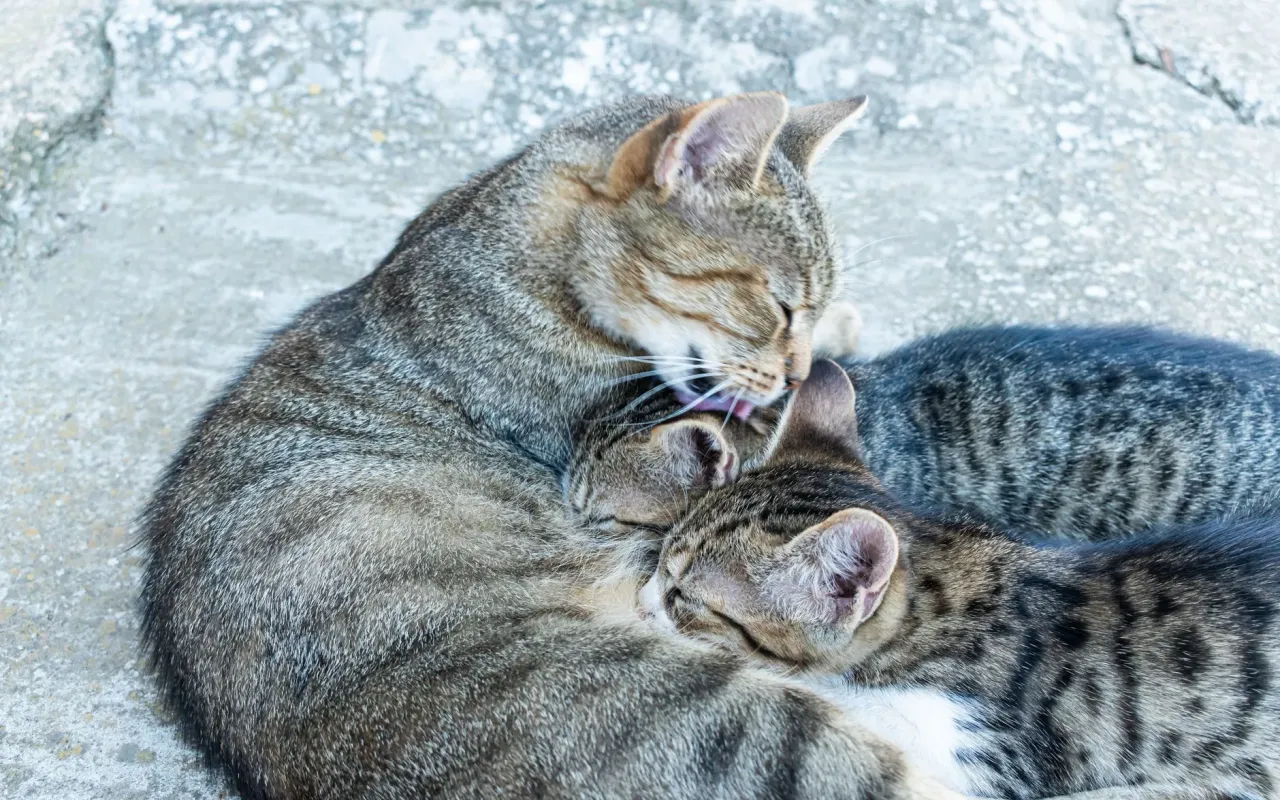
How do you know when the introduction is officially a success? Look for signs of positive interaction. This includes nose-touching, grooming each other, sleeping in the same room, or even just sitting calmly within a few feet of each other. A classic sign of acceptance is the "tail up" greeting—when your cats approach each other with their tails held high, it's a feline hello, not a threat. If you see them engaging in mutual grooming, you've hit the jackpot; that's a sign of deep trust.
You can start relaxing the rules once they've had several consecutive days of peaceful, supervised interaction. You can leave them alone together for short periods while you run errands. Start with 30 minutes, then gradually extend the time. Keep an eye on them via a pet camera if you have one. If you come home to find them napping on the same couch, you're officially a successful multi-cat household. However, always maintain the extra resources—don't remove the third litter box just because they seem fine.
Remember that your cats' relationship will ebb and flow. They might have a "spat" every once in a while, usually over a prime sunbeam spot or a favorite toy. This is normal. As long as it doesn't escalate into a full-blown fight, let them sort it out. The bond you're helping them build is a beautiful thing. Watching two former strangers become cuddle buddies is one of the most rewarding experiences for any cat owner.
Actionable Takeaway: Keep a journal of their interactions for the first month. Note when they have positive moments and when they have tense ones. This will help you identify triggers and patterns, making it easier to manage their environment proactively.