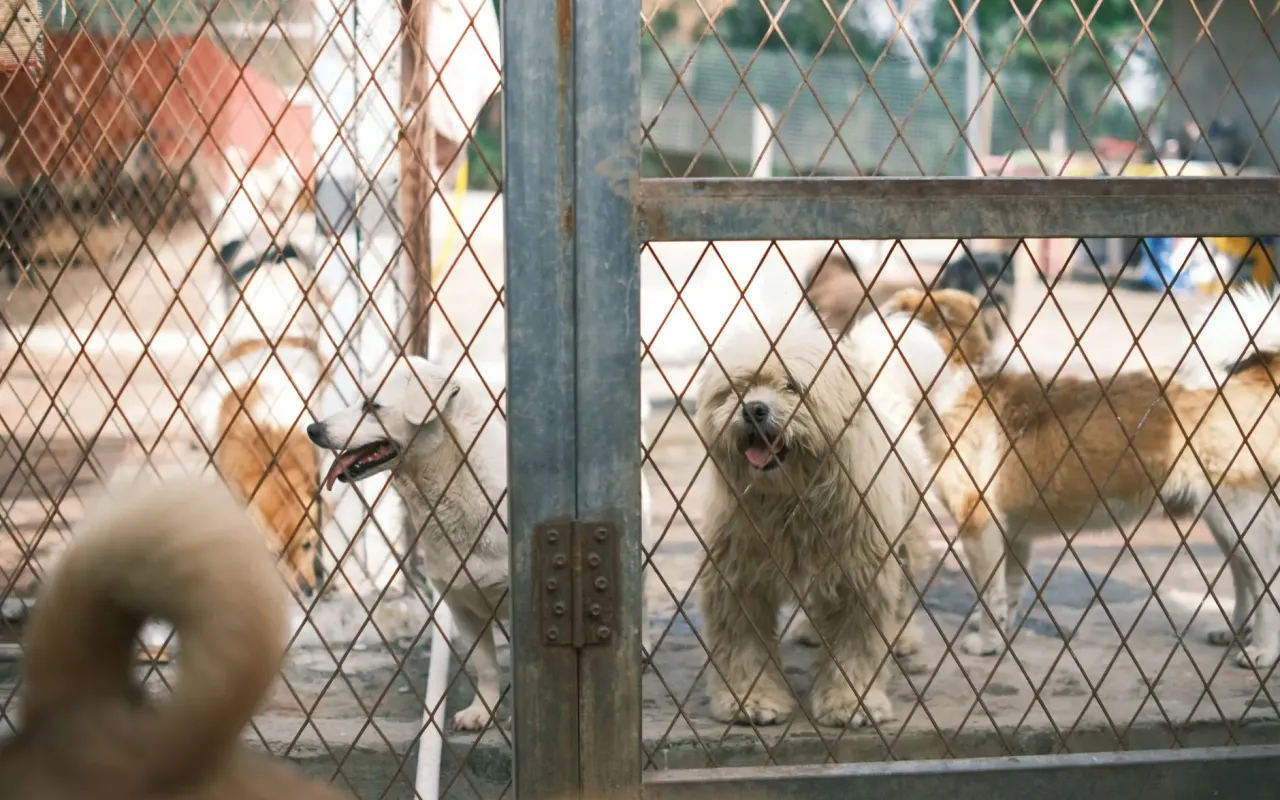
Thinking of adopting a shelter dog? Here's the honest, step-by-step process—from choosing the right dog to the first 30 days at home—without the sugarcoating.
- July 24, 2026
Why Your Shelter Visit Won't Be a Fairy Tale
You've seen the heartwarming videos: a sad-eyed dog in a concrete kennel, then a family walks in, and within seconds, it's a wagging-tail, sloppy-kiss adoption. That's not how it usually works.
When I walked into my local shelter for the first time, I was overwhelmed by the noise, the smell of bleach, and the sheer number of dogs barking for attention. I wanted to save them all—but I also had no idea how to pick the right one. The staff was kind but busy, and the adoption paperwork felt like applying for a mortgage.
Adopting a shelter dog is one of the most rewarding decisions you can make, but it's also one that requires honest preparation. The process isn't just about falling in love with a face—it's about finding a dog whose energy, temperament, and needs match your lifestyle. Here's what the adoption counselors won't always tell you, but what you absolutely need to know.
Before You Walk Through Those Doors
Assess Your Reality—Not Your Fantasy
Be honest about your daily life. Do you work from home or in an office for 10 hours? Do you live in a studio apartment or a house with a yard? Are you a runner or a couch potato? These aren't judgment calls—they're practical filters.
A high-energy Border Collie mix will destroy your sofa if you can't give it two hours of exercise daily. A senior Labrador might be perfectly content with a short walk and a nap. According to the ASPCA, about 20% of adopted dogs are returned within the first six months, and the number one reason is "behavioral issues" that often stem from a mismatch in energy levels or lifestyle.
Actionable tip: Make a list of your non-negotiables: maximum daily exercise time, dog size, grooming needs, and whether you can handle a dog with separation anxiety. Share this list with shelter staff before they show you any dogs.
Budget for More Than Kibble
Adoption fees usually cover spay/neuter, microchipping, and initial vaccines, which is a bargain compared to buying from a breeder. But the real costs start after you bring the dog home. Expect to spend $500–$1,000 in the first month on supplies: a crate, bed, leash, collar, bowls, toys, and a first vet visit.
Then there are ongoing costs: high-quality dog food ($40–$80/month), pet insurance ($30–$60/month), and emergency vet care (easily $500–$2,000 for something like a swallowed sock). The ASPCA estimates the first year of dog ownership costs between $1,500 and $3,000, and that's for a healthy dog.
Actionable tip: Set aside an emergency fund of at least $1,000 before you adopt. If that feels impossible, consider fostering first—it's lower commitment and the shelter covers medical costs.
The Shelter Visit: What to Look For (and What to Ignore)
Ignore the "Puppy Dog Eyes" (At First)
It's natural to feel drawn to the dog that looks the saddest or the one that's been there the longest. But pity is not a solid foundation for a 10- to 15-year commitment. Instead, focus on behavior.
Watch how the dog reacts to you from inside the kennel. Is it wagging its tail and coming forward, or hiding in the corner? Is it jumping and barking excessively, or calm and curious? Ask the staff to take the dog out to a quiet area where you can interact without the chaos of the kennel room.
Actionable tip: Ask for a "meet and greet" in a neutral space, like a fenced yard or a quiet room. Spend at least 15 minutes with the dog. See if it ignores you, tries to climb into your lap, or shows any signs of resource guarding (growling when you approach a toy or treat).
Ask the Hard Questions
Shelter staff know these dogs better than anyone. Ask: "Why was this dog surrendered?" "Has it ever lived with children or other pets?" "Does it have any known triggers (like men in hats, loud noises, or other dogs)?" "What's its energy level on a scale of 1 to 10?"
Don't be afraid of a dog with a difficult past—many of them become the most loyal companions. But you need to know what you're signing up for. A dog that was surrendered because it was "too energetic" might just need a runner as an owner. A dog that was abused may require extra patience and a professional trainer.
Actionable tip: If the shelter doesn't have detailed history, ask if they do a temperament test. Many shelters use a standardized assessment that evaluates how the dog reacts to handling, food, and strangers. Ask to see the results.
Preparing Your Home (and Your Schedule) for Day One
Dog-Proof Like You're Hosting a Toddler
Before you bring your new dog home, walk through every room at dog-eye level. Put away shoes, electrical cords, toxic plants (like lilies and pothos), and anything small enough to swallow. Sheltered dogs are often stressed and may chew things they wouldn't normally touch.
Set up a designated safe space—a crate with a soft bed or a gated-off area in a quiet room. This will be your dog's sanctuary for the first few weeks. Cover the crate with a blanket to make it feel like a den, and never use it for punishment.
Actionable tip: Buy a baby gate and a crate before you pick up the dog. Have them set up and ready. The first 24 hours are chaotic enough without a trip to the hardware store.
Plan a Low-Key Homecoming
Your first instinct might be to invite friends over for a "welcome home" party. Don't. A shelter dog has just been through a major upheaval: it's left the only place it knew, traveled in a car, and entered a strange house full of new smells. It needs calm, not chaos.
For the first three days, follow the "rule of three": three days to decompress, three weeks to learn your routine, three months to feel truly at home. During the decompression phase, keep interactions low-key. Let the dog explore its new space at its own pace. Offer food and water, but don't force affection.
Actionable tip: On the first day, take a long, slow walk around the neighborhood before bringing the dog inside. This helps burn off nervous energy and gives the dog a chance to sniff its new territory. Then go straight to the crate or safe space.
The First Week: Building Trust Without Overwhelming
Establish a Routine Immediately
Dogs thrive on predictability, especially anxious shelter dogs. Set fixed times for meals, walks, and potty breaks. Wake up at the same time, feed at the same time, and take the last potty break at the same time every night. This structure helps the dog feel secure because it learns what to expect.
Don't be surprised if the dog has accidents inside, even if the shelter said it was house-trained. Stress can cause regression. Use enzymatic cleaner to remove odors, and never punish—just clean up and stick to the schedule.
Actionable tip: Keep a journal of the dog's behavior for the first week: when it eats, when it sleeps, when it seems anxious. This will help you spot patterns and adjust your routine accordingly.
Introduce Other Pets Slowly
If you already have a dog or cat, don't just throw them together. Start with parallel walks: walk both dogs in the same direction but at a distance, letting them see each other without direct contact. Do this for a few days until both dogs seem relaxed.
Then, do a meet-and-greet in neutral territory (like a park) with both dogs on loose leashes. Watch for stiff body language, raised hackles, or growling. If all goes well, bring them home together, but keep them separated with baby gates for the first few days. Let them sniff through the gate before allowing direct interaction.
Actionable tip: For cats, give the cat a safe room with a high perch where the dog can't reach. Let them get used to each other's scent by swapping bedding or using a pheromone diffuser like Adaptil or Feliway.
Training and Socialization: Start on Day One
Use Positive Reinforcement Exclusively
Shelter dogs have often experienced fear, neglect, or inconsistent handling. Yelling or using punishment-based training will only make them shut down or become defensive. Reward-based training—using treats, praise, or toys—builds trust and makes learning fun.
Start with basic commands: "sit," "stay," "come," and "leave it." Keep sessions short (5-10 minutes) and end on a positive note. If your dog is too stressed to focus, just do a few easy sits and then play.
Actionable tip: Carry high-value treats (like small pieces of chicken or cheese) on every walk. Use them to reward your dog for looking at you, walking calmly, or ignoring a trigger (like another dog). This builds a habit of checking in with you.
Socialize Carefully, Not Forcefully
Socialization doesn't mean forcing your dog to meet every person and dog you see. It means exposing your dog to new experiences in a controlled, positive way. For a fearful dog, that might mean watching the mailman from a distance while eating treats. For a confident dog, it might mean a structured playdate with a calm, vaccinated friend.
Avoid dog parks until you've had your dog for at least a month and know its temperament. Dog parks can be overwhelming and unpredictable, even for well-adjusted dogs.
Actionable tip: Enroll in a positive-reinforcement group training class. It's one of the best ways to socialize your dog under the guidance of a professional. Plus, it strengthens your bond.
When to Get Professional Help (And When to Wait)
Recognize Red Flags
Some behaviors are normal during the adjustment period: hiding, not eating for a day or two, mild anxiety, or being overly clingy. But if your dog shows signs of aggression (biting, snapping, or hard staring), severe fear (cowering, urinating when approached), or destructive behavior that doesn't improve after a few weeks, it's time to call a professional.
Look for a certified applied animal behaviorist (CAAB) or a positive-reinforcement trainer with experience in shelter dogs. Avoid anyone who uses shock collars, prong collars, or dominance-based methods—these can make fear-based issues worse.
Actionable tip: Many shelters offer post-adoption support or a free consultation with a trainer. Ask about this before you adopt. If they don't, budget for at least three private training sessions.
Be Patient With the Process
The first month can feel like a rollercoaster. You might have moments of pure joy and moments of "what have I done?" That's normal. The dog is also adjusting, and it takes time for its true personality to emerge. Some dogs transform completely after three months—they go from scared and shut-down to playful and affectionate.
If you're struggling, reach out to the shelter or rescue group. They want this adoption to succeed and can offer advice or resources. Don't wait until you're at your breaking point—ask for help early.
Actionable tip: Join an online community for shelter dog owners (like r/Dogtraining or a local Facebook group). Reading other people's stories can normalize the struggle and give you practical solutions.
The Long Game: What a Year of Shelter Dog Ownership Looks Like
You'll Both Change
Six months in, your shelter dog will barely resemble the nervous creature you brought home. It will know your schedule, your moods, and exactly where you hide the treats. You'll learn to read its body language—the subtle tail wag, the soft eyes, the way it leans into you when it feels safe.
But the real transformation happens in you. You'll find yourself walking more, meeting neighbors, and caring about something beyond yourself. You'll become an advocate for shelter dogs, recommending adoption to friends and maybe even volunteering at the shelter that saved your dog.
Actionable tip: Take photos every month. Looking back at the first photo versus the six-month photo will show you the physical and emotional change—the dull coat becomes shiny, the tucked tail becomes relaxed, the worried eyes become bright.
The Return Rate Is Real—But You Can Beat It
Remember that 20% return rate? Most of those returns happen because the owner didn't prepare, didn't ask for help, or didn't give the dog enough time. By following this guide—preparing your home, establishing a routine, using positive training, and seeking professional help when needed—you're already ahead of the curve.
Adopting a shelter dog isn't a transaction. It's a commitment to a living creature that will love you fiercely once it learns to trust you. And that trust, once earned, is worth every chewed shoe, every sleepless night, and every penny spent.
Actionable tip: If you ever feel overwhelmed, remind yourself: your dog isn't giving you a hard time—it's having a hard time. Patience and consistency are the two most powerful tools you have.