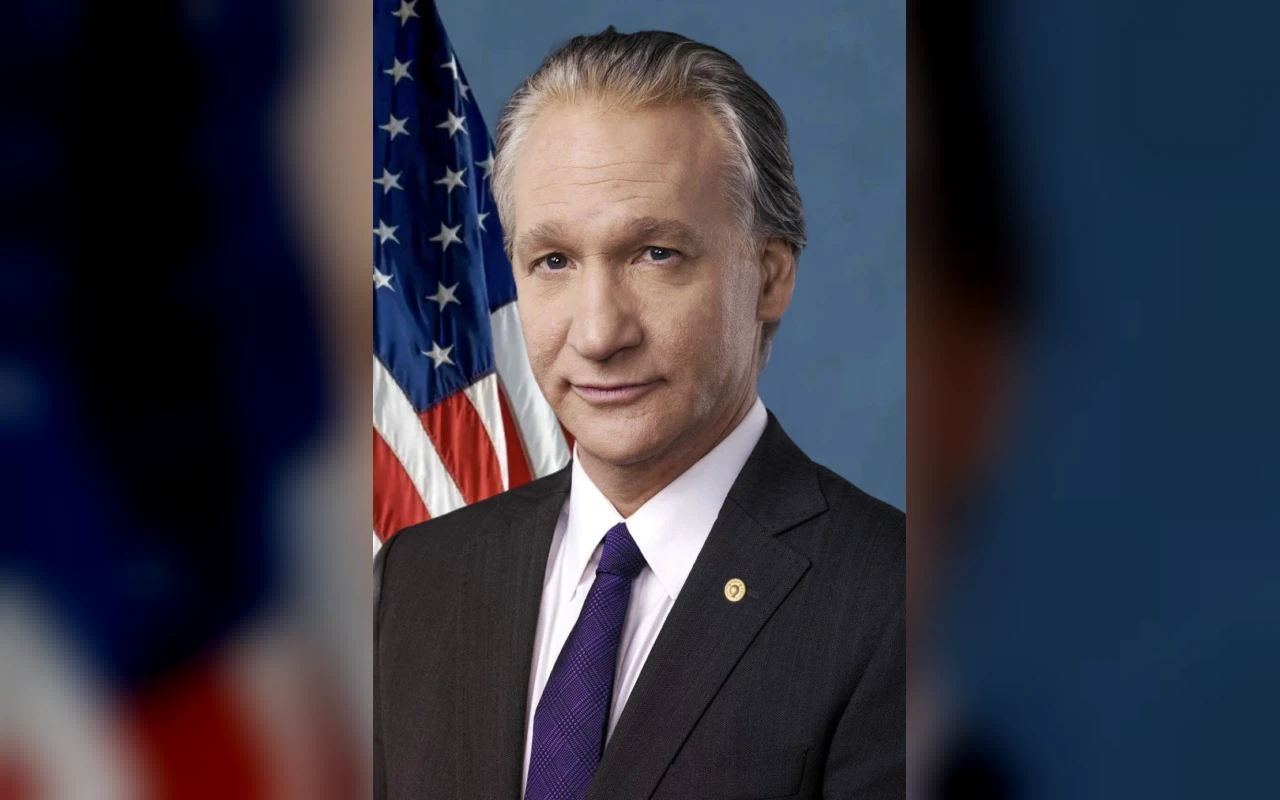
Bill Maher stirred controversy by criticizing the $850 million price tag of the Barack Obama Presidential Center in Chicago and questioning the necessity of such a building to honor the former president’s legacy.
- June 22, 2026
AceShowbiz - Bill Maher stirred controversy by criticizing the $850 million price tag of the Barack Obama Presidential Center in Chicago and questioning the necessity of such a building to honor the former president’s legacy. During the June 19 episode of his talk show, he challenged the value and purpose of presidential libraries in general and expressed skepticism about spending so much on one physical monument.
The comedian and host engaged in a heated discussion with guests Rep. Ro Khanna and journalist Jonathan Martin, pushing them to explain the significance of the Obama center. Maher mocked the design of the building, likening it to an alien or futuristic structure, and doubted whether the audience members who applauded plans to visit the center would actually do so, calling them liars. Khanna defended the investment, emphasizing that commemorating Barack Obama—the first African American president—is more than just about the building itself. He argued the center will inspire future generations and preserve the story of Obama’s rise and impact on American politics, noting how Obama’s presidency changed perceptions for minority candidates like himself.
Bill Maher acknowledged Khanna’s points about Obama's influence but maintained that the physical center was not essential for remembering the former president’s achievements. He further questioned whether the nearly billion-dollar expenditure might be better directed toward more urgent causes.
Bill Maher is best known as the host of the long-running TV series documentary "Politically Incorrect" and his current show "Real Time with Bill Maher," for which he has earned multiple Emmy and PGA Award nominations. His career spans over three decades with 14 acting credits including roles in Out of Time, Murder, She Wrote, and Pizza Man.
This exchange highlights ongoing debates about how best to honor presidential legacies and the role of costly monuments versus intangible cultural memory. Maher’s critique taps into broader discussions about public spending priorities and the evolving relevance of traditional presidential libraries in the digital age.