Kylie Jenner's playful TikTok comment sparks debate, but experts reveal it's actually a sign of emotional security and nervous system bonding.
- May 24, 2026
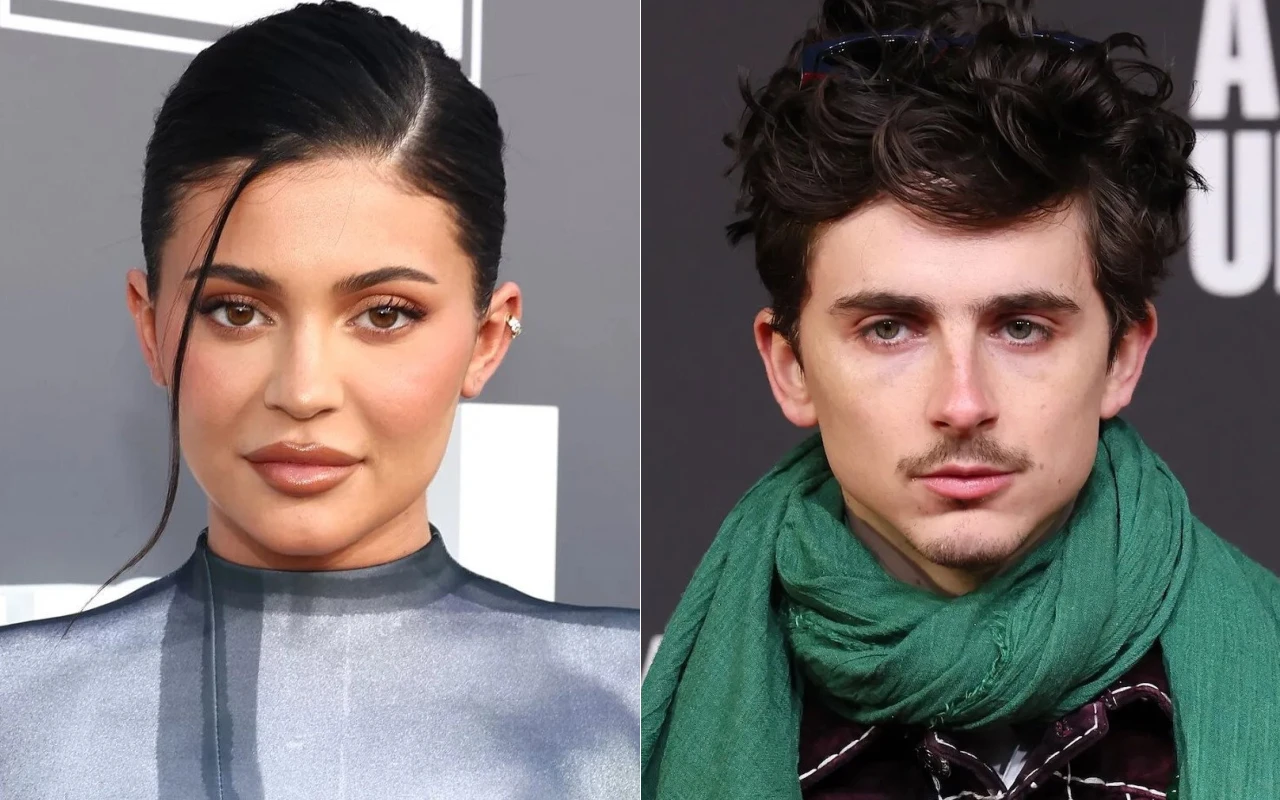
AceShowbiz - Kylie Jenner recently made headlines by publicly expressing affection for her boyfriend, Timothée Chalamet, through a playful comment on the Page Six TikTok account. This rare public display of emotion from Kylie, especially in such a visible digital space, drew a wave of criticism from online observers labeling it as “cringe” or a “PR stunt.” However, beneath the surface of these reactions lies a more profound understanding of human connection and attachment.
Rather than dismissing Kylie’s comment as mere performative behavior, it’s important to recognize it as an authentic expression of her nervous system signaling emotional security and bonding. The nervous system has an ancient role in forming attachments, especially when two people are falling for each other. This process is often subtle, but in Kylie’s case, the digital sphere offered a stage for what can be described as a “digital moonwalk”—a playful, nervous-system-driven gesture communicating emotional availability and desire for connection.
Human beings are inherently interdependent, born with a fundamental need for emotional bonding that lasts throughout life. When someone finds a partner who meets those emotional needs, the body’s nervous system instinctively tries to lock in that bond. This is not a superficial act but a deep biological mechanism at work. Kylie’s public affection, then, is a nervous system’s way of saying, “This is the person I want to be close to.”
However, for someone like Kylie Jenner, who lives under constant public scrutiny, every personal interaction is magnified and dissected in ways most people never experience. Growing up in such an exposed environment creates a protective part of the self that tries to navigate vulnerability carefully. This protector often manifests as a desire to appear desirable and in control, especially in romantic contexts. Public displays of affection become a form of proof that the bond is real and that the person is still wanted.
This phenomenon is not unique to celebrities. Many people, especially those who have experienced vulnerability or emotional risk, develop similar protective behaviors in relationships. Public “thirsting” or openly expressing desire can simultaneously be a shield and a genuine emotional expression. At the core, the nervous system is asking two essential questions: “Are you there for me?” and “Am I enough for you?”
The initial stage of love, often called the honeymoon phase, floods the brain with dopamine, creating feelings of being chosen, safe, and cherished. This phase is intoxicating and feels miraculous. But it is temporary. Eventually, the relationship moves beyond the seductive dance of validation to a place where vulnerability and deeper emotional work are required. When constant reassurance fades or daily realities interrupt flirtation, the nervous system can go into panic mode, mistaking a lack of immediate desire for rejection or danger.
In couples therapy, this shift often appears as a sudden escalation of conflicts over seemingly minor issues—like disagreements about household chores or communication lapses. Yet the root cause is almost always the same: the safe harbor once provided by the partner now feels uncertain or threatening. This is where the honeymoon phase either ends or transforms into a more resilient form of love.
Unfortunately, cultural narratives and social media algorithms tend to pathologize or trivialize such emotional expressions, especially from public figures like Kylie. Labels such as “codependent” or “performative” are often applied without empathy or understanding of the underlying attachment dynamics. These judgments serve to simplify complex emotional experiences into stories with villains and victims, which can obscure the real work of love and connection.
Rather than seeing Kylie’s public comment as a sign of weakness or desperation, it’s more accurate to view it as an adaptation to the pressures of public life and a genuine expression of a fundamental human need: to be chosen and feel safe with someone. Love, regardless of status or age, makes us all vulnerable in similar ways. In a culture that constantly tells us we are not enough, finding someone to truly desire and be desired by is a profound and rare experience.
To those who dismiss such moments as “cringe,” it’s worth remembering that behind the celebrity image lies a human nervous system, just like everyone else’s, seeking connection and reassurance. The courage to publicly express desire, especially in a world that scrutinizes every move, is a testament to the bravery it takes to be vulnerable and open.
Were Kylie and Timothée Chalamet to sit in a therapist’s office, their early-stage affection would likely be celebrated and validated. It is important to honor the joy and excitement of feeling chosen. Yet, the therapist would also gently prepare them for the inevitable challenges ahead. Real, lasting love requires more than constant affirmation—it demands patience, forgiveness, and a willingness to navigate misunderstandings and emotional distance.
Arguments, moments of feeling unseen, and fears of abandonment are not signs that love has failed but rather signals that deeper work is beginning. The initial rush of feeling chosen gives way to the harder but more authentic work of building a shared life. This transformation requires both partners to recognize that love’s endurance depends on more than just attraction and desire—it depends on commitment, understanding, and emotional resilience.
In the end, what’s most remarkable about Kylie’s public comment is not the comment itself but what it represents: a human being boldly declaring love in a public space. This act reminds us all that beneath fame and fortune, celebrities experience the same needs, fears, and hopes as anyone else. They are “two little kids inside,” reaching out for connection, hoping not to be dropped.
The story is not about the performative nature of the comment but about the bravery it takes to want and express love openly. In a world that often feels isolating and competitive, these moments of genuine affection are worth celebrating rather than mocking.
This article is based on reporting originally published by HollywoodLife.