The Boys delivers its most somber episode yet as Frenchie dies a hero's sacrifice, raising the stakes for an epic season finale.
- May 16, 2026
AceShowbiz - The latest episodes of The Boys have blended humor and intensity, yet its penultimate installment, titled "The Frenchman, The Female, and The Mother's Milk," stands out as a notably somber chapter. This episode marks the significant and emotional death of Tomer Capone’s character, Frenchie, one of the core protagonists fans have followed since the beginning of the series.
While the show has long balanced dark comedy with brutal violence and biting satire, this particular episode took a more serious tone, culminating in a hero’s sacrifice that reshapes the stakes heading into the finale. The death of Frenchie serves as a critical turning point intended to raise the tension and consequence for the series’ climax.
Creator Eric Kripke, speaking to TV Line, emphasized the importance of this kind of sacrifice in storytelling, comparing it to the epic struggles seen in The Lord of the Rings. Kripke explained, "There's no victory without terrible sacrifice and terrible loss, and I think people know that in their bones... When a win comes too easily, it ultimately just doesn't feel truthful to me." He expressed his desire for the show's victories to feel hard-earned and meaningful, which necessitated a significant character death before the finale.
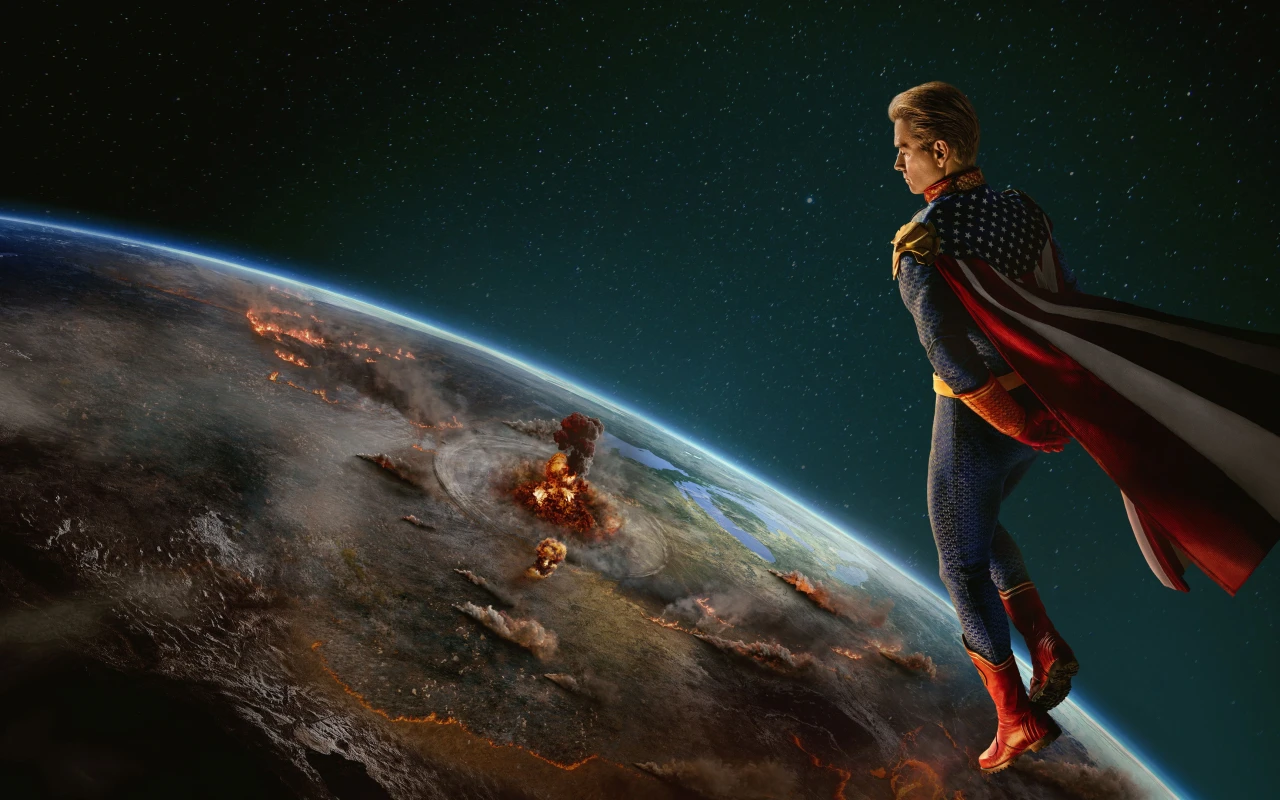
Frenchie's death unfolds within the confines of Fort Harmony, where he deliberately confronts Homelander to divert the superpowered antagonist’s attention away from Sister Sage and Kimiko, who are hiding in a vent shaft. His goal is to allow them more time to escape or evade capture. Frenchie’s distraction involves opening the uranium testing chamber’s floodgates in an act meant to humiliate the Supe by exposing him to radiation.
Despite his efforts, this act results in Frenchie suffering severe burns and a mortal wound inflicted by the V1-enhanced Homelander. The episode poignantly closes this chapter for Frenchie with a heartfelt final exchange and a kiss shared with Kimiko, underscoring the emotional weight of the loss, even though the depth of their relationship has been somewhat ambiguous until this point.
Although the narrative necessity of Frenchie’s death is clear, many viewers, including this author, found the execution of this pivotal moment troubling and at times confusing. Questions arise about the logic behind his actions and Homelander’s responses, casting doubt on the plausibility of the sequence.
For one, the strategy Frenchie employs to distract Homelander seems unclear. If the objective was to keep Homelander occupied long enough for Kimiko and Sister Sage to flee, the fact that neither woman actually moves from the vent shaft complicates the rationale. It raises the question of whether Frenchie’s plan was simply to stall indefinitely, hoping Homelander would lose interest or be misled about their intentions.
Additionally, the episode depicts Homelander as believing Frenchie’s claim that Kimiko has already acquired Soldier Boy’s power. This belief seemingly motivates Homelander to linger at Fort Harmony rather than immediately pursue the women. However, this reasoning feels tenuous, as Homelander’s superhuman senses should make him far more suspicious and less likely to be deceived by such a ploy.
Homelander’s behavior following his attack on Frenchie also raises questions. Instead of thoroughly investigating the vent that intrigued him moments earlier, he departs after wounding Frenchie. The show suggests that this is due to an ego bruise, but it seems inconsistent with the typically ruthless and methodical nature of the character.
The depiction of Homelander’s heightened senses—X-ray vision and super hearing—adds another layer of puzzlement. Frenchie gains Homelander’s attention with just a light tap on the wall or door, yet it is unclear why Homelander wouldn’t detect other sounds such as breathing or heartbeats from Frenchie, Sage, or Kimiko, especially in a confined space with limited soundproofing. This inconsistency undermines the tension that the scene tries to build.
Perhaps most striking is the relatively restrained way Homelander kills Frenchie. Known for his brutal and graphic violence—crushing skulls, laser disintegrations, and impalements—Homelander’s choice to inflict a fatal but less overtly savage abdominal wound seems out of character. The muted nature of Frenchie’s death stands in stark contrast to the show’s established portrayal of Homelander’s merciless tactics.
These narrative decisions have sparked frustration, as they bear similarities to the seemingly avoidable death of A-Train in the Season 5 premiere, which also felt forced and unsatisfying to many fans. Such story choices can detract from the emotional impact and undermine the gravity of character deaths that are supposed to be monumental and meaningful.
Despite these concerns, the creative team’s intentions are understandable. The need to raise stakes and create a sense of danger before the final episode is a common and often effective storytelling technique. The hope is that the finale, scheduled to premiere on Prime Video on Wednesday, May 20, will provide a more cohesive and justified conclusion to the arcs of its established leads.
Ultimately, while Frenchie’s death was necessary for the narrative momentum of The Boys, the way it was portrayed left some viewers wanting more clarity and consistency. The emotional weight of losing such a beloved character is undeniable, but the surrounding plot and character logic could have been handled with greater care to preserve immersion and believability.
As the series moves toward its conclusion, fans remain eager to see how the remaining characters face the consequences of this loss and whether the show can deliver a finale that truly honors the sacrifices made along the way.