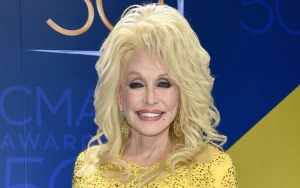
Kacey Musgraves returns to her Texas roots on *Middle of Nowhere*, a thoughtful shift from pop toward grounded, lyrical storytelling.
- May 15, 2026
AceShowbiz - Kacey Musgraves’s seventh studio album, Middle of Nowhere, marks a thoughtful return to the Texas-themed narratives that shaped her early career. This project signals a deliberate shift away from her recent explorations in pop and psychedelic country towards a more grounded, lyrical focus.
Musgraves has long been known for her genre-blending sound, weaving elements of country, folk, pop, soul, and disco into a unique tapestry of storytelling and emotional insight. Since her 2013 breakthrough with "Follow Your Arrow," a song celebrated for its rebellious spirit and candidness about marijuana use and LGBTQ+ themes, she has challenged and expanded the boundaries of contemporary country music. This track, co-written with Luke Laird and Shane McAnally, set the tone for much of her early work: fearless, witty, and deeply personal.
Her 2015 album Pageant Material continued this trend with tracks like "Late to the Party," which dismissed the fear of missing out by emphasizing the joy found in shared intimacy. By 2018, with Golden Hour, Musgraves ventured into more experimental territory, moving away from her earlier collaborators to embrace lush, psychedelic soundscapes. This bold sonic pivot earned her the Grammy Award for Album of the Year, cementing her status as an innovator.
However, Star-crossed (2021), a visually rich and pop-infused album chronicling her divorce, marked a departure from her country roots and romantic fulfillment themes. The album’s reception was mixed and culminated in a public controversy when it was disqualified from the Best Country Album category at the 2022 Grammys. Her 2024 release, Deeper Well, took a more introspective, acoustic approach, exploring themes of heartbreak and the emptiness of materialism on tracks like "Lonely Millionaire," where she reflects on the futility of wealth as a source of comfort.
With Middle of Nowhere, Musgraves appears to be re-centering herself musically and thematically. Reuniting with producers and co-writers Luke Laird and Shane McAnally, alongside longtime collaborators Ian Fitchuk and Daniel Tashian, the album balances lush arrangements with sharp, grounded songwriting. The lead single, "Dry Spell," stands out with its playful blend of traditional country guitar and risqué humor, becoming her first solo country-airplay chart hit of the decade.
This new body of work revisits the familiar motifs of her earlier songs, such as the nostalgic hometown pride expressed in 2015’s "Dime Store Cowgirl" with its line, "It don't matter where I'm going / I'll still call my hometown home." Yet, Middle of Nowhere also reflects Musgraves’ growth and fatigue, delivering a breakup album with more incisive lyrics and richer arrangements compared to Deeper Well. Fans who found Star-crossed too distant from her Americana roots may find this album a welcome reunion with the "old Kacey."
At first glance, the album chronicles the emotional fallout surrounding an absent lover. Songs like "Back on the Wagon" depict a partner struggling with substance abuse, while the haunting "I Believe in Ghosts" captures the lingering pain of loss. Tracks such as "Coyote" and "Hell on Me" confront the bitterness and anger that simmer after a relationship’s end. However, the overarching theme is one of release—letting go of longing and bitterness.
The sultry country-disco track "Rhinestoned" exemplifies this liberation, with Musgraves lighting her reservations on fire, much like the joint she carries. The song’s title nods both to the glam of country legends Kenny Rogers and Dolly Parton and to a carefree attitude about fleeting connections. She embraces impermanence and sparkle over permanence, "not overthinking anything, just feeling alright." While "Rhinestoned" and "Dry Spell" explore physical desire, this urge is portrayed as transient and part of a broader emotional journey.
The album’s emotional center, "Loneliest Girl," revisits themes of solitude and self-reliance that Musgraves has toyed with in the past. It serves as a bookend to earlier works like "Late to the Party" and "Lonely Weekend," which celebrated intimacy and the pain of separation. Now, she warns of the risks in tying happiness solely to another person and claims she would "rather be the loneliest girl in the world" than stay in a relationship for fear of being alone.
Both "Loneliest Girl" and "Hell on Me" reflect a shift from the eager-to-please, love-struck persona of earlier years toward a more self-assured, boundary-setting stance. Meanwhile, "Abilene" offers a narrative about a woman leaving her hometown, told from the perspective of those who gossip about her. This song may mirror Musgraves’ own experience of public scrutiny amid personal upheaval. Unlike past breakup anthems that focused on a partner’s faults, here the emphasis lies on the protagonist’s right to privacy and mystery.
Reexamining her past with maturity is a recurring motif throughout Middle of Nowhere. The album features a notable duet with fellow East Texas singer Miranda Lambert, rekindling a creative connection after a long-simmering feud over the song "Mama’s Broken Heart," which Musgraves had initially intended as a debut single. Together, they commiserate over whiskey and Willie Nelson on "Horses and Divorces." The legendary Nelson himself appears on "Uncertain, TX," a wistful track that recalls Musgraves’ earlier nod to him in "Dime Store Cowgirl." These collaborations, along with the mixture of pop and country personnel, present the album as a holistic reunion rather than a simple homecoming.
Unlike some contemporary country artists who dilute their sound to satisfy traditionalist fans, Musgraves uses Middle of Nowhere as a space for recuperation and exploration of themes dear to her: cannabis, journaling, casual relationships, and the rich diversity of Texas country and folk music traditions.
Middle of Nowhere ultimately stands as a passionate, if somber, reaffirmation of Musgraves’ roots. Even her embrace of solitude feels distinctly Texan, evoking the Lone Star State’s symbol of independence. In crafting this album, Musgraves declares herself a republic of one, finding strength and contentment in self-sufficiency and artistic authenticity.