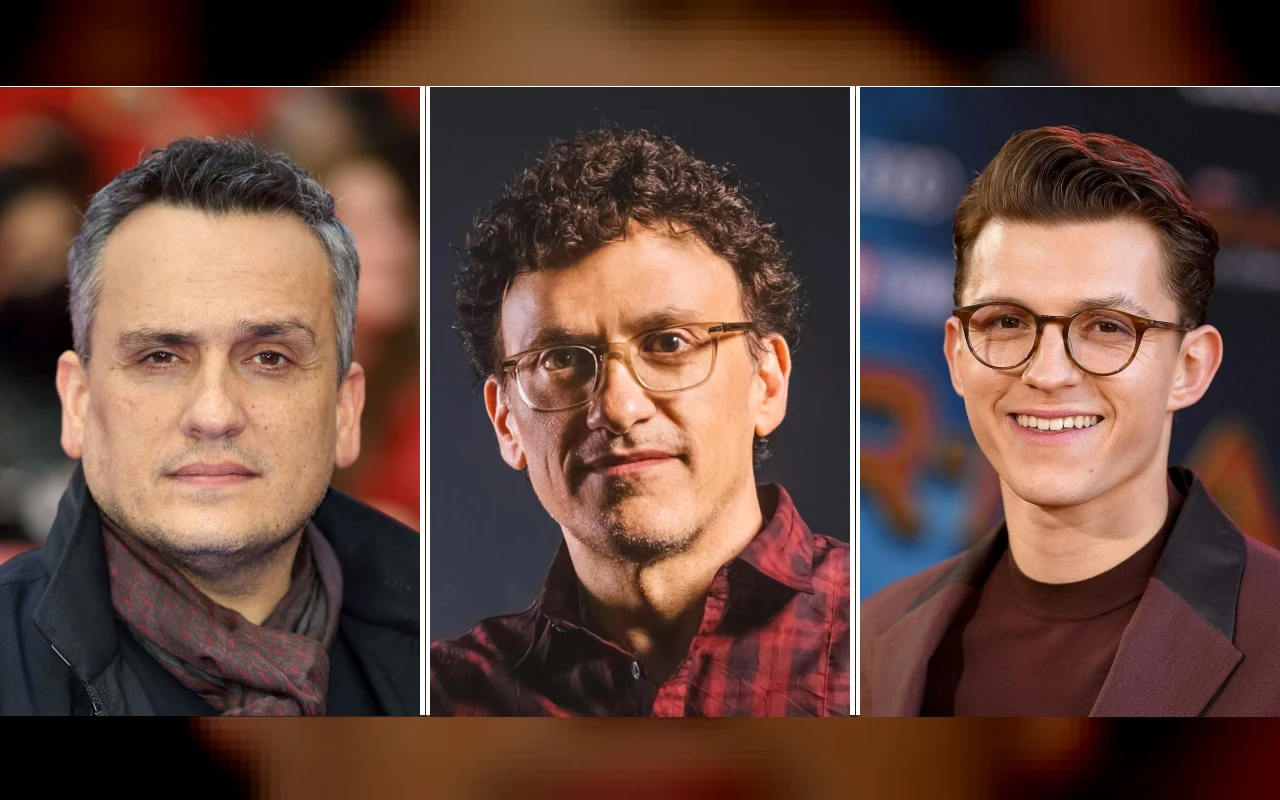
Explore how the MCU broke Spider-Man tradition by omitting Uncle Ben’s death, and what Joe Russo’s revelation means for Peter Parker’s story.
- May 7, 2026
AceShowbiz - Among the most iconic superhero origin stories, alongside Superman and Batman, is the tale of Spider-Man. Known widely by fans and casual observers alike, the tragic loss of Uncle Ben and the famous lesson that “with great power comes great responsibility” have been central to Spider-Man’s narrative across comics, television, and film adaptations. Traditionally, Uncle Ben’s death serves as the catalyst that shapes Peter Parker’s journey as a hero.
However, when Spider-Man was introduced into the Marvel Cinematic Universe (MCU), the franchise notably skipped over this foundational moment. For ten years, audiences simply assumed that the MCU’s Peter Parker bore the same guilt over Uncle Ben’s death as his counterparts in previous adaptations. But recent comments from director Joe Russo have officially clarified that this is not the case.
Speaking with CBR, Joe Russo revealed how he and his brother Anthony approached Spider-Man’s origin differently in his debut MCU appearance in Captain America: Civil War. “Spider-Man was one of my favorite characters growing up, if not my favorite,” Joe said. He explained that what resonated with him was the concept of a young person burdened with immense responsibility. “You can manifest that responsibility through accidental death, right? Feeling the pressure, the sense of loss in your life in a way that would keep the spirit that we wanted.”
However, the Russos decided that if Tom Holland’s version of Peter felt guilt over Uncle Ben’s death, he would be a fundamentally different character. “In our minds, no, he wasn’t responsible for Uncle Ben’s death. That would have been a different interpretation. A more intense interpretation of the character,” Joe Russo stated. This marked a significant departure from decades of Spider-Man lore, where Peter’s guilt is the emotional core of his heroism.
What This Change Means for Spider-Man’s MCU Story
This reinterpretation of Uncle Ben’s fate has sparked debate among fans. While skipping the on-screen depiction of Uncle Ben’s death is understandable given the MCU’s established timeline, removing Peter’s culpability alters the emotional stakes of his origin. Traditionally, Peter’s overwhelming guilt drives his commitment to protect others and use his powers responsibly, preventing tragedies like his uncle’s death from recurring.
Interestingly, the MCU’s Civil War script contains a line that seems to echo the classic Spider-Man ethos. When Peter meets Tony Stark, he says, “When you can do the things that I can, but you don’t, and then the bad things happen, they happen because of you.” This dialogue feels like a nod to the Uncle Ben principle, reinforcing the idea of responsibility linked to power. Yet, the script deliberately avoids naming Uncle Ben directly, reflecting the Russo brothers’ intent to keep this origin story ambiguous.
In the MCU, it is acknowledged that Uncle Ben has died before audiences meet Peter, but the circumstances remain unknown. Unlike previous versions where Uncle Ben was killed by a criminal Peter failed to stop, the MCU hints that his death might have been due to natural causes or an accident beyond Peter’s control. This mystery leaves Uncle Ben’s role in Peter’s transformation more subdued than in other adaptations.
The absence of Uncle Ben’s tragedy is further emphasized by the emotional role Aunt May plays in the MCU. Throughout Peter’s first trilogy, his relationship with Aunt May forms a crucial emotional anchor. Her eventual death in Spider-Man: No Way Home essentially takes the place of Uncle Ben’s traditional role, with May delivering the iconic “great responsibility” line. If the MCU intended to explore Uncle Ben’s story more directly, it likely would have done so by now.
Peter Parker’s Motivation in the MCU
In this version of the character, Peter’s drive to become Spider-Man stems more from a sense of duty to protect New York City and emulate his heroes, rather than personal guilt. Inspired by his admiration for Tony Stark and the Avengers, Peter understands the importance of using his powers for good. He reads about the crimes happening in his city and feels compelled to act, highlighting his connection to the community rather than a specific personal tragedy.
Some fans might argue that this makes Spider-Man’s origin less intimate or emotionally impactful. Yet, it still preserves the character’s essential link to New York City and his aspiration to be a hero like those he looks up to. This reinterpretation offers a fresh angle on why Peter chooses to wear the mask, focusing on responsibility toward others rather than self-blame.
As the MCU continues to evolve, it remains to be seen if any future projects will revisit Uncle Ben’s fate or expand on this altered origin story. For now, the mystery stands, and Peter’s journey is defined by his relationships and choices within the MCU’s established narrative framework.
Fans are encouraged to share their thoughts on this change and participate in ongoing discussions, reflecting the enduring passion surrounding one of Marvel’s most beloved characters.