Ye faces federal trial over uncleared sample in 'Hurricane'; plaintiffs seek $564K for use of their track 'MSD PT2' at Donda listening party.
- May 5, 2026
AceShowbiz - The ongoing legal battle involving Kanye West, now known as Ye, has escalated as a federal jury in Los Angeles begins hearing a high-profile copyright infringement case. This lawsuit, one of more than a dozen against Ye over his career, centers on an uncleared sample used in an early version of his Grammy-winning track "Hurricane."
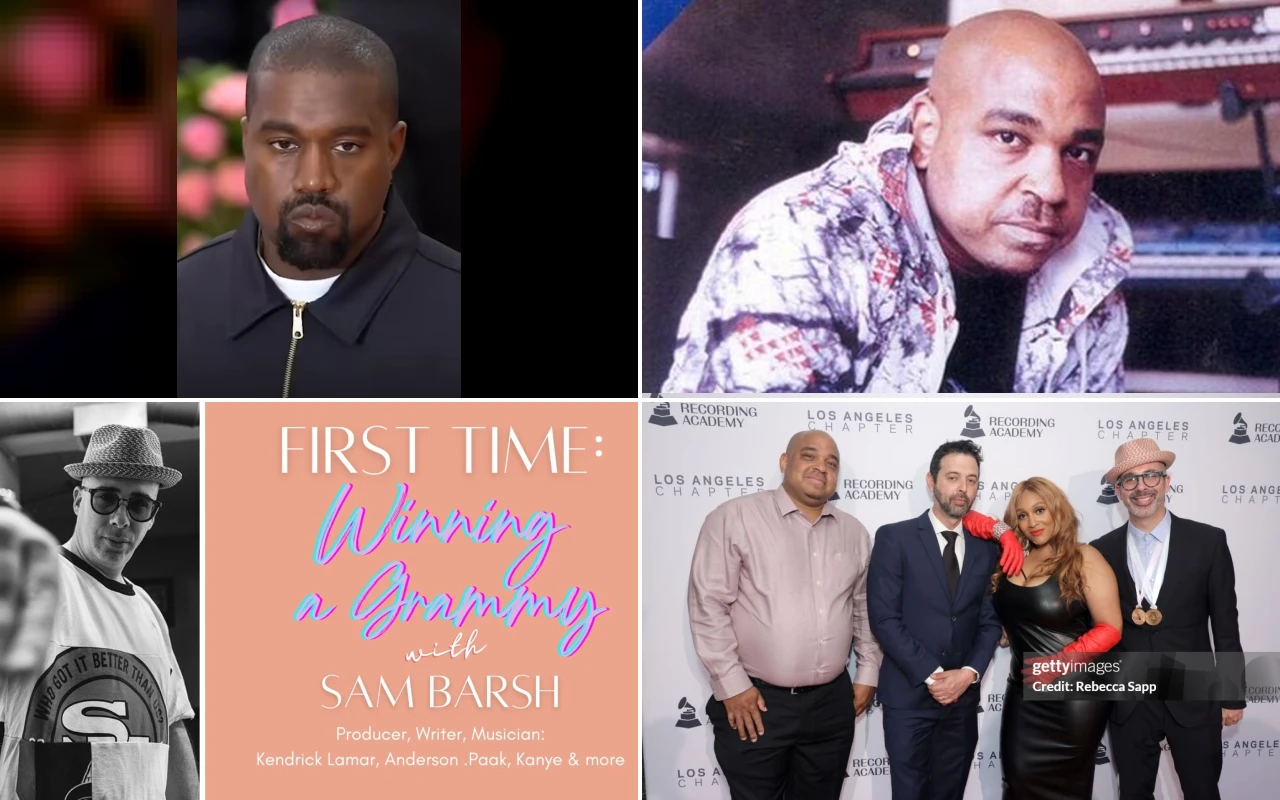
On Monday, eight jurors listened to opening arguments in downtown Los Angeles as the plaintiffs demanded $564,046 in damages. This amount is sought by four musicians—Khalil Abdul Rahman, Sam Barsh, Dan Seeff, and Josh Mease—who allege that Ye sampled their instrumental work without permission. The disputed sample comes from their one-minute track titled "MSD PT2," which Ye reportedly used during a widely publicized listening party for his album Donda at Atlanta’s Mercedes-Benz Stadium in July 2021.
The plaintiffs are represented by Artist Revenue Advocates, a company they formed in 2024 to pursue the case. Their initial claims covered both the composition and the sound recording rights, but the lawsuit was later narrowed to focus solely on the sound recording, after it was found they did not control writer-side royalties due to previous agreements.
Irene Lee, counsel for the plaintiffs, emphasized that the musicians never authorized the commercial use of their sample. She explained that while her clients were initially enthusiastic about Ye's interest, the offer they received was inequitable and lacked proper consent. The musicians had willingly shared the sample with Ye's team, expecting fair compensation if it was used commercially. However, once the demo track gained traction, the plaintiffs claim they were ignored and "ghosted," leaving them feeling "snubbed and ignored."
Though the sample ultimately did not appear on the final Donda album, Lee insists the infringement was clear during the public performance at the listening event. She described the track as the event’s lead single, noting an expert analysis revealed Ye earned approximately $5.5 million related to the performance. These earnings came from ticket sales, merchandise, a $1.25 million streaming deal with Apple, and apparel revenue linked to a jacket worn onstage, later sold through a partnership with Gap.
Lee addressed the jury directly, calling the trial “remarkable” and highlighting an admission under oath from Ye himself that he used the plaintiffs’ copyrighted music.
During his defense, Ye's lead attorney, Eduardo Martorell, argued that the musicians were overreaching by seeking a share of profits from apparel sales and other sources outside the music industry. He maintained that Ye's extensive fame and multiple Grammy nominations were the primary drivers behind the listening party’s commercial success—not the brief instrumental sample in question.
Martorell further stated that the plaintiffs had led Ye to believe he had implicit permission to use the sample throughout the process, describing the lawsuit as unnecessary and unwarranted.
This trial marks a significant moment as Ye is expected to testify later this week, potentially shedding more light on the circumstances around the sample’s usage. The jury’s decision could have broad implications for sampling practices and artist rights in the music industry.
As this case unfolds, it stands as a critical example of the complex issues surrounding music copyright enforcement, artist collaboration, and the boundaries of implied consent in creative works.