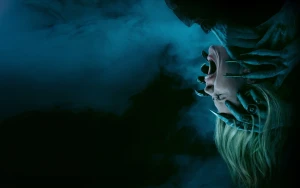
A bold new TV adaptation of Golding's classic novel, exploring stranded children's descent into chaos. A definitive retelling of a timeless story.
- May 5, 2026
AceShowbiz - Lord of the Flies, the latest adaptation of William Golding’s iconic 1954 novel, arrives as a compelling and ambitious television event. Despite the story’s long history of screen versions, this fresh retelling, created by writer Jack Thorne and directed by Marc Munden, stands out as one of the most definitive interpretations yet.
Though Lord of the Flies has inspired many films and cultural references, actual direct adaptations have been surprisingly rare. Aside from Peter Brook’s 1963 film and Harry Hook’s 1990 version, both notable but flawed, the novel’s cinematic presence has been limited. Other works like the 1975 Filipino film or The Simpsons episode “Das Bus” borrow its themes but don’t directly adapt Golding’s story. Nonetheless, the tale of stranded children descending into chaos remains deeply embedded in contemporary culture.
The new series, initially produced for BBC iPlayer and BBC One, with Australia’s Stan also involved, was later acquired by Netflix for U.S. distribution. It premieres on Netflix on Monday, May 4, featuring a cast led by Winston Swayers as Ralph, Lox Pratt as Jack, David McKenna as Piggy, and Ike Talbut. The four-hour miniseries offers a layered and immersive experience, blending faithful adaptation with bold creative choices.
Lord of the Flies is foundational to many modern stories about survival, adolescence, and societal breakdown. Without it, there would be no Battle Royale, Yellowjackets, The 100, or reality shows like Survivor and Kid Nation. Even hit series like Lost and obscure ones such as The Wilds owe a debt to Golding’s influence. While the novel’s premise echoes classics like Robinson Crusoe and The Most Dangerous Game, its psychological and social insights have defined a genre for decades.
Jack Thorne’s script skillfully balances reverence for the original text with fresh nuance. He preserves iconic lines—like the frequently quoted “Sucks to your assmar!”—and maintains the book’s narrative structure, while deepening character complexity. For example, Piggy, portrayed by David McKenna, is shown not only as an outcast burdened by cruelty and ridicule but also as a figure of quiet resilience and intellect. Thorne reveals the vulnerabilities behind Jack’s aggression, making him a more three-dimensional antagonist driven by insecurity and privilege.
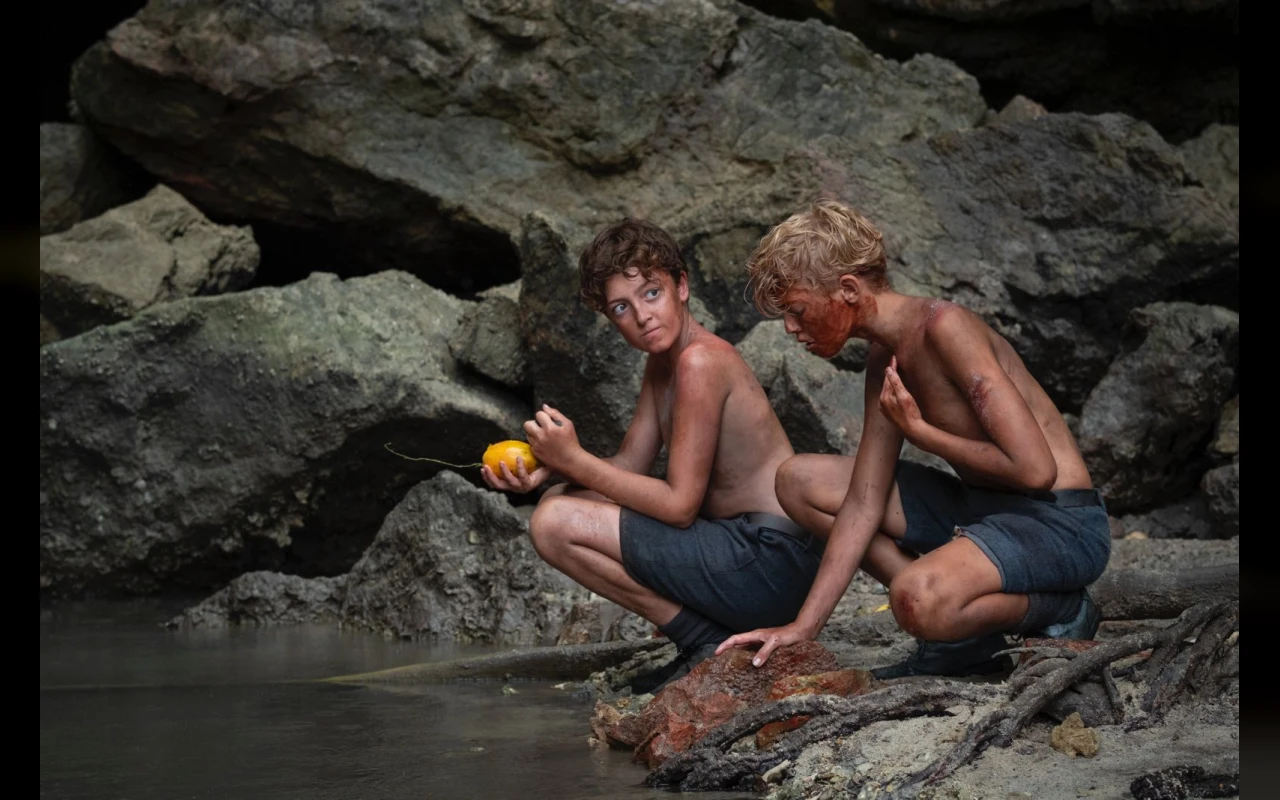
Set in the 1950s on a lush tropical island where a plane crash leaves a group of boys stranded without adult survivors, the story opens with Piggy meeting the confident Ralph. Using a conch shell as a symbol of order, they gather the children, including the “littluns” and a rowdy choir group led by Jack, a representation of British public school entitlement. Ralph’s leadership emphasizes responsibility, shelter, and maintaining a signal fire, while Jack prioritizes hunting and rebellion against adult norms.
Conflict quickly escalates as the boys’ fragile social order fractures, exposing the primal instincts and dangers inherent in their youth. The series portrays this descent with emotional weight and tension, often extending key moments to heighten their impact. While the four-hour length may feel substantial, it allows the story to breathe, making the gradual unraveling of civility all the more harrowing.
Marc Munden’s direction delivers stunning visuals. The island’s greenery is rendered in vivid, almost surreal tones, creating an atmosphere that is both beautiful and menacing. The series includes memorable set pieces such as a boar encounter and a chaotic nighttime ritual culminating in tragedy, all crafted to maximize emotional resonance.
The score by Cristobal Tapia de Veer skillfully merges animalistic sounds with choral elements, featuring nods to classical composer Benjamin Britten. This musical blend amplifies the series’ unsettling tone, echoing the primal and civilized themes at its core. The soundtrack’s intensity complements the visuals and performances, adding a rich layer to the storytelling.
Despite occasional indulgences in visual style that sometimes feel more showy than immersive, the production remains grounded in the narrative’s emotional truths. Documentary-style close-ups of the young actors, capturing their quiet moments of existence on the island, provide a naturalistic counterbalance to the more operatic scenes.
The casting is a significant success. The young actors bring depth and authenticity to their roles, embodying the complex dynamics of power, fear, and vulnerability. Their performances are essential to the series’ ability to evoke the novel’s enduring themes and shock value, even for viewers familiar with the story from school.
Importantly, this adaptation situates the story within a broader cultural conversation about masculinity and group dynamics. While Adolescence explored how the internet shapes young men’s behavior, Lord of the Flies shows that these primal impulses existed long before digital influence. The island functions metaphorically as an unmoderated space, reminiscent of a hostile online forum, where bullying and mistrust escalate unchecked.
Overall, Lord of the Flies on Netflix emerges as a thoughtfully crafted, emotionally powerful adaptation that respects its source while forging its own identity. It stands poised to reignite interest in Golding’s novel and inspire fresh discussions about human nature, society, and survival. For viewers seeking a layered, intense exploration of childhood and chaos, this miniseries delivers a haunting and unforgettable experience.