Wes Walker on why AI in film should be invisible: a tool to enhance creativity, not replace it.
- April 30, 2026
AceShowbiz - Wes Walker sets a clear principle for using artificial intelligence in creative projects: if AI’s involvement can be detected, it means the process has fallen short. This perspective reflects how rapidly AI has evolved from a novel curiosity into a standard tool within the film and advertising industries, especially since its serious adoption began around 2023.
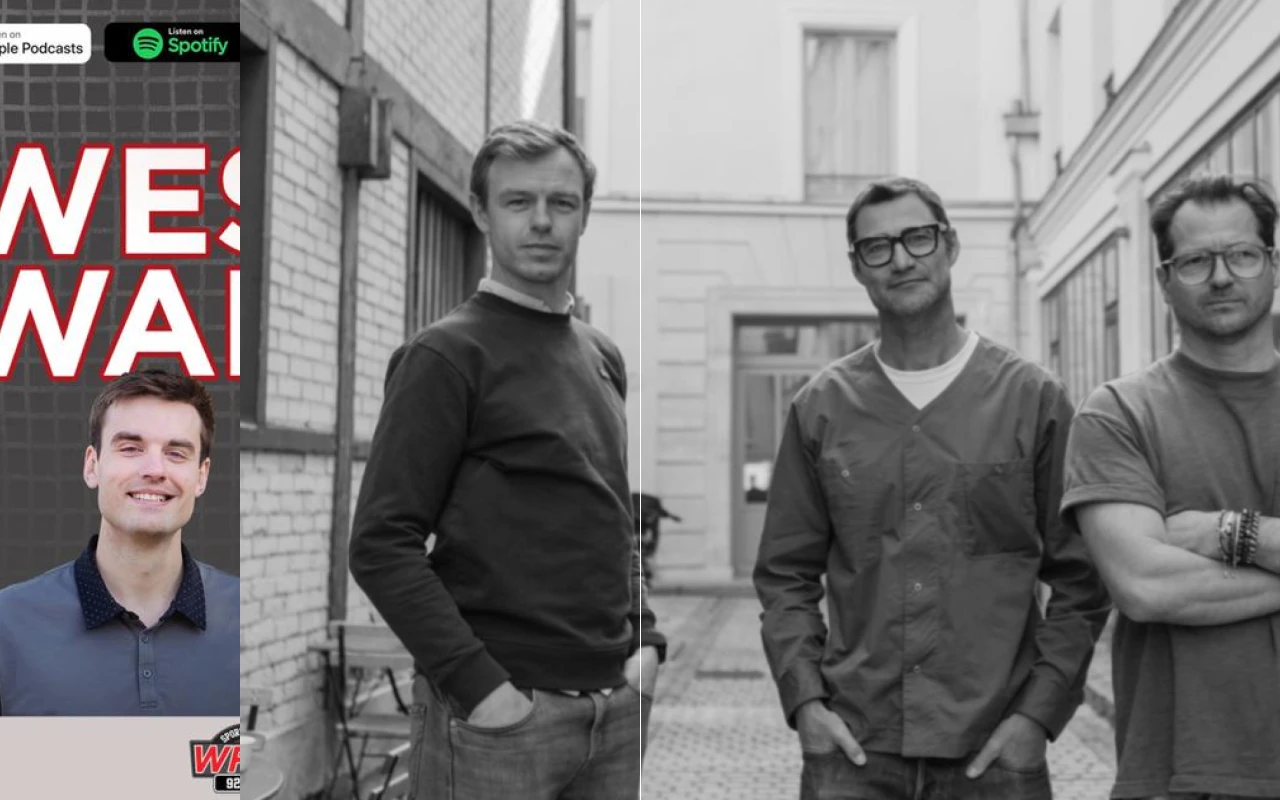
As co-founder of Obsidian Studio alongside Louis Gheysens, Walker has been pioneering the integration of AI with live-action footage and CGI to enhance storytelling and visual content. The studio, which operates from five major cities worldwide including New York, Paris, and Brussels, has collaborated with prestigious clients like the French luxury brand Longchamp and the multimedia project Beyond Noise through the agency Baron & Baron. Their work exemplifies a philosophy that positions AI not as a replacement for human creativity but as a powerful extension of it.
This ethos is encapsulated in the studio’s motto, “Humans over Hype.” Walker explains, “We start with world-class artistic skills before engaging AI, using it to supplement our abilities rather than to take shortcuts.” He emphasizes that the future of AI-assisted filmmaking relies on collaboration among diverse talents, each contributing unique strengths. “Teams today function differently, but their combined expertise applied through these tools is how the best work is created.”
The foundation of their creative process remains deeply rooted in traditional cinematic craftsmanship. Storyboarding by renowned artists such as Marc Vena, known for Logan, and Tani Kunitake, recognized for Black Panther, continues to be instrumental. This traditional approach helps the team grasp the “intelligence of the scene” before deciding how AI can be effectively incorporated under the careful guidance of directors and designers.
Walker describes AI as “a wild thing,” raising the challenge of shaping it to reflect the distinct creative vision of each film’s director, production designer, and cinematographer rather than simply controlling it. This delicate balance between human intention and machine capability lies at the core of Obsidian Studio’s approach.
Founded in 2025, Obsidian Studio has cultivated strategic partnerships with technology innovators including the Chinese company Kling AI. Additionally, an alliance with Ron Howard and Brian Grazer’s Imagine Entertainment has broadened their creative horizons. Gheysens highlights that their mission from inception has been to harness AI tools as facilitators for directors’ visions, not as autonomous creators. “We want to understand what exists in the minds of directors and use AI to serve those ideas,” he says.
These themes will be further explored at Cannes on May 18, where Kling AI will host a panel titled From Creative Possibility to Production Reality: Kling AI in Cinematic Workflow. The event will feature filmmakers such as Jon Erwin of the Amazon Prime AI-driven series House of David, Li Wei, associate director for the animated film Big Fish and Begonia (2016), and South Korea’s Yang Eekjun, director of Mateo AI Studio/MBC C&I, who created the AI feature-length film Raphael.
Zeng Yushen, head of operations at Kling AI, explains that the company will present its latest 4K native model technology, demonstrating how this hybrid approach combining live action and AI-generated animation is revolutionizing Hollywood workflows. “We want to showcase how AI empowers content creators to push creative boundaries,” Zeng says.
Major studios and streaming platforms that were once cautious about AI are now actively exploring its potential. Netflix reportedly plans a $600 million investment involving Ben Affleck’s production company InterPositive, while Amazon is developing internal AI teams tailored for film and television production.
“AI adoption is accelerating,” Zeng notes. “People begin by testing the technology, then learn how to integrate it effectively into their workflows. The extent of AI usage varies by project—it can range from zero to 100 percent—depending on how the story is best told.”
The industry’s growing confidence in AI is supported by impressive statistics. According to China’s State Council Information Office, over 6,000 companies are now active in the domestic AI sector, which is valued at more than $172 billion. Globally, AI’s market value is projected to reach $14.1 billion by 2033.
For Obsidian Studio, the arrival of Kling AI’s 4K model capabilities marks a significant advancement. Released worldwide last month as part of the Kling Video 3.0 series, this technology meets the stringent production standards required for high-end content such as broadcast television, theatrical cinema, and premium advertising.
Gheysens states that the studio is eager to incorporate these new tools while maintaining its established creative processes. “For every project, we review and adapt our pipeline to understand how new functions can elevate our work. This leads us to invent new roles and methods along the way.”
Walker views AI not as a disruptive force but as liberating for directors. “It gives us the freedom to dream bigger. Ultimately, the work itself will demonstrate the value of this approach. Step by step, we’re letting the quality of the output speak for itself.”