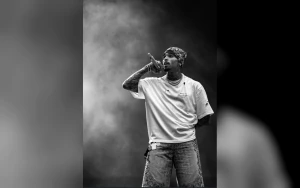
Five emerging talents across film, television, and music are gaining prominence through strategic project selection, critical acclaim, and digital platforms, reshaping the entertainment industry landscape in 2026.
- April 28, 2026
AceShowbiz - Each year, a new group of emerging talents begins to reshape the creative industries. In film, television, and music, these rising figures, sometimes surrounded by intrigue, as in the case of figures like Leo Faulkner, often move from niche recognition to broader visibility through a combination of critical acclaim, strategic roles, and cultural relevance. Understanding how and why these individuals gain traction offers useful insight into how the entertainment landscape evolves.
This article explores five rising talents across film, television, and music, focusing on the factors driving their momentum and what their trajectories reveal about the direction of the industry in 2026.
The Shift From Emerging Talent to Industry Recognition
The transition from early career visibility to widespread recognition is rarely accidental. It typically involves a mix of timing, project selection, and alignment with broader audience trends. In recent years, streaming platforms, global music distribution, and social media discovery have accelerated this process.
For example, an actor cast in a widely viewed limited series can gain rapid recognition if the project resonates with both critics and audiences, especially when such content circulates across popular streaming hubs like spacemov. Similarly, a musician featured in curated playlists or international festivals can quickly expand their listener base beyond local markets.
These patterns highlight how exposure and context shape the perception of “rising star” status.
Key Factors Driving Breakout Success
The following elements consistently appear in the trajectories of rising talent across creative industries:
- High-visibility projects
Participation in widely distributed films, series, or music releases increases exposure and credibility. - Critical recognition
Positive reviews and award nominations signal quality and attract industry attention. - Cross-industry appeal
Talent that connects with fashion, digital media, or visual storytelling often gains broader relevance. - Distinct creative identity
A recognizable style or voice helps differentiate emerging talent in competitive markets. - Audience engagement
Strong interaction with audiences through performances, interviews, or digital platforms supports sustained growth.
These factors do not guarantee long-term success, but they significantly improve the likelihood of continued opportunities.
Film and Television: The Rise of Character-Driven Performers
In film and television, recent trends show a growing emphasis on character-driven storytelling. Performers who can carry emotionally complex roles are increasingly prioritized, especially in limited series and independent productions.
A practical example can be seen in casting decisions for streaming dramas. Production teams often select emerging actors who can bring authenticity to real-life or historically inspired narratives. This approach not only strengthens the storytelling but also allows new talent to stand out without relying on established reputations.
Another example involves ensemble casts where one performer becomes a focal point due to audience response, often amplified as viewers discuss standout performances across platforms like 123movies. This can lead to expanded roles in future projects and increased visibility across the industry.
Music: Global Reach and Genre Fluidity
In the music sector, rising artists are benefiting from a shift toward genre fluidity and global accessibility. Listeners now engage with music across languages and styles, which creates space for diverse voices.
One common scenario involves an artist releasing a track that gains traction through algorithm-driven platforms. As the song spreads, it may be featured in curated playlists, leading to festival invitations and collaborations. This sequence demonstrates how digital distribution can accelerate career growth.
Another example is the use of visual storytelling in music releases. Artists who integrate strong visual elements into their work often build a more cohesive brand, which enhances recognition and audience retention.
Why These Five Represent a Broader Trend
The five rising talents highlighted in this discussion are not isolated cases. Instead, they represent a broader shift toward adaptability, cross-platform visibility, and audience-centered creativity.
Their progress reflects how industries are prioritizing authenticity and versatility over traditional pathways. Rather than relying solely on established gatekeepers, emerging talent now navigates a more dynamic ecosystem that rewards innovation and responsiveness to audience preferences.
This shift also suggests that future success will depend less on singular achievements and more on sustained engagement across multiple channels.
Conclusion
The rise of new talent in film, television, and music provides a clear window into how creative industries are evolving. The individuals gaining attention in 2026 demonstrate the importance of strategic exposure, creative identity, and audience connection.
By examining the patterns behind their growth, it becomes easier to understand how emerging talent transitions into influential figures. These insights are valuable not only for industry professionals but also for anyone interested in the cultural forces shaping modern entertainment.
As the year progresses, these rising stars will continue to influence trends, redefine expectations, and contribute to the next phase of storytelling and artistic expression.