Captain America: Civil War masterfully balances a huge cast of heroes without feeling overcrowded. Discover how this MCU film set a new standard for ensemble...
- April 4, 2026
AceShowbiz - Captain America: Civil War stands as one of the Marvel Cinematic Universe’s most remarkable achievements, primarily due to its expert handling of a sprawling ensemble cast. Over the years, the MCU has been known to juggle numerous characters, but back in 2016, this scale was unprecedented. While previous Avengers films focused on a smaller core group—typically six main heroes—Captain America: Civil War brought together even more pivotal characters, and crucially, it succeeded without feeling overcrowded or disjointed.
At the heart of Captain America: Civil War is Steve Rogers, also known as Captain America, who remains the central figure driving the narrative. However, the film skillfully weaves in a wide array of other significant characters. Returning from Captain America: The Winter Soldier are Bucky Barnes, Natasha Romanoff, and Sam Wilson, but the roster extends far beyond them. Tony Stark (Iron Man), Wanda Maximoff (Scarlet Witch), Vision, Scott Lang (Ant-Man), James Rhodes (War Machine), and Clint Barton (Hawkeye) all play substantial roles that go well beyond mere cameos.
Additionally, the film introduces new characters such as Sharon Carter, Helmut Zemo, T’Challa (Black Panther), and Peter Parker (Spider-Man). Managing this many heroes and key players in a single movie could easily have resulted in a chaotic mess, or led to some characters being sidelined. Instead, the filmmakers ensured every character had their moment to shine, while keeping the story firmly anchored to Steve Rogers’ perspective. The emotional core, centered on Steve’s relationship with Bucky, remains the driving force of the plot, with other relationships—like those with Natasha and Sam—also playing essential roles.
Captain America: Civil War also excels at introducing two major new heroes to the MCU: Black Panther and Spider-Man. Both characters made their MCU debuts in this film, a challenging feat given the already crowded cast. Introducing key new heroes in a Captain America movie was a bold move, especially since both would go on to headline their own franchises and play critical roles in later Avengers films like Infinity War.
Peter Parker’s introduction was particularly well handled. The film gave just enough screen time to showcase Tom Holland’s natural charisma, establish Parker’s relationship with Tony Stark, and demonstrate his fighting abilities alongside the other heroes. This careful introduction helped distinguish this version of Spider-Man from earlier cinematic versions.
T’Challa’s character arc in Captain America: Civil War is also notable for its depth and nuance. His transition from a vengeful prince seeking to kill Bucky for his father’s death to a more understanding and honorable figure is compelling. This character development arguably surpasses what he later received in his solo film, Black Panther. The film also provides T’Challa with impressive action sequences and memorable dialogue, further solidifying his importance in the MCU.
One of the film’s other standout elements is its villain, Helmut Zemo. The MCU has faced criticism over the years for underwhelming antagonists, with some villains being generic or poorly developed. Zemo, however, is a refreshing departure from that trend. Despite not possessing superpowers or the ability to physically overpower any Avengers, Zemo is a cunning and effective antagonist.
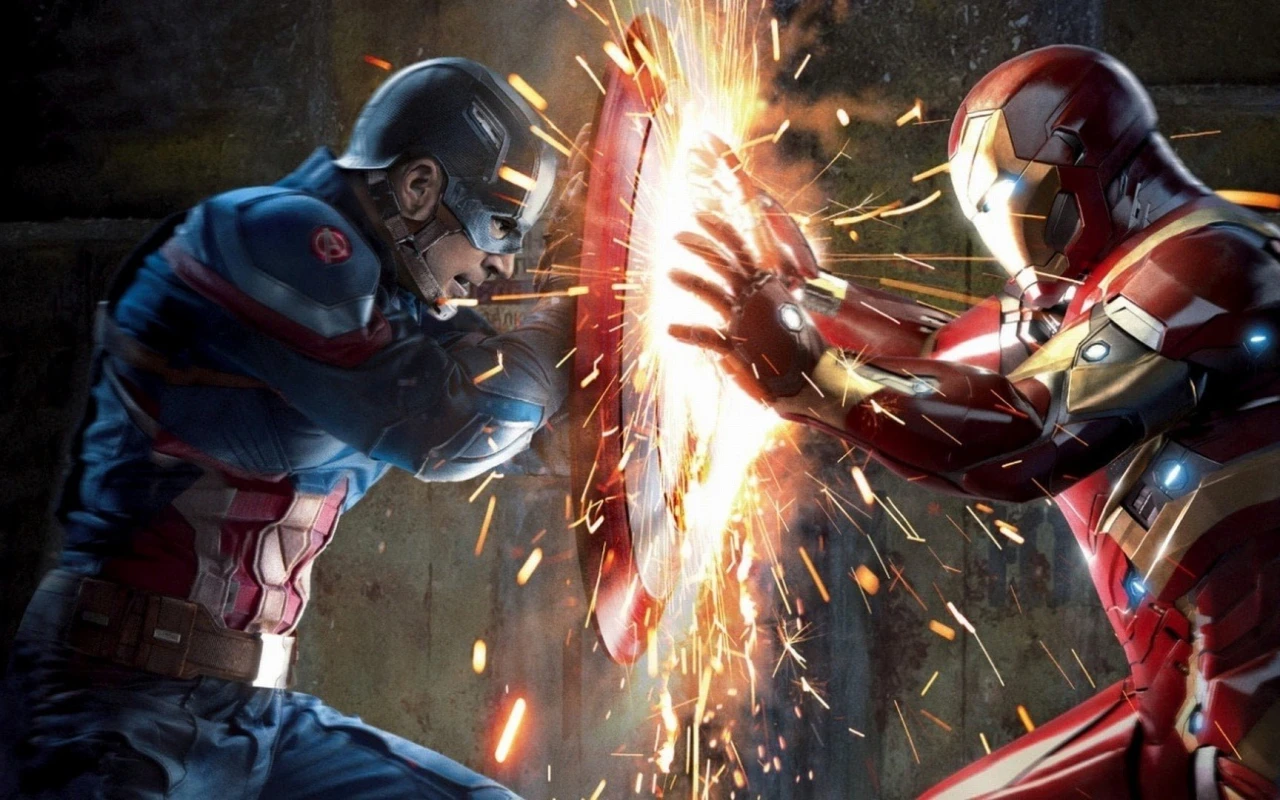
Zemo’s plan to pit the Avengers against each other is executed with precision, leading to a climactic conflict between Tony Stark and Steve Rogers. Although Zemo ends the film imprisoned, his scheme succeeds in fracturing the team, showcasing his impact without relying on brute force. This subtle but effective portrayal of villainy adds an extra layer of complexity to the film’s narrative.
Captain America: Civil War also served as a blueprint for how the MCU would handle large ensemble casts in future Avengers films. Prior to this movie, Avengers films mainly focused on a handful of central heroes. Afterward, films like Avengers: Infinity War and Avengers: Endgame brought together an even wider array of characters from across the MCU, including those introduced in this film and others like the Guardians of the Galaxy, Thor, and Hulk.
Successfully balancing such a sprawling cast is a complex challenge, but the Russo Brothers demonstrated in Captain America: Civil War that it was possible to give characters meaningful screen time and development while maintaining a cohesive story. This accomplishment laid the groundwork for the success of the subsequent Avengers films, which became massive hits and effectively concluded the MCU’s Infinity Saga.
In summary, Captain America: Civil War is not just another MCU entry; it is a masterclass in ensemble storytelling. It introduced pivotal new heroes, gave each character important moments, developed a nuanced villain, and maintained a strong, focused narrative centered on Steve Rogers. This film’s ability to juggle so many characters and storylines without losing sight of its core story remains one of the MCU’s most impressive feats.