Discover why Queen's Brian May felt uneasy performing the iconic hit "Don't Stop Me Now," despite its global acclaim and uplifting energy.
- March 30, 2026
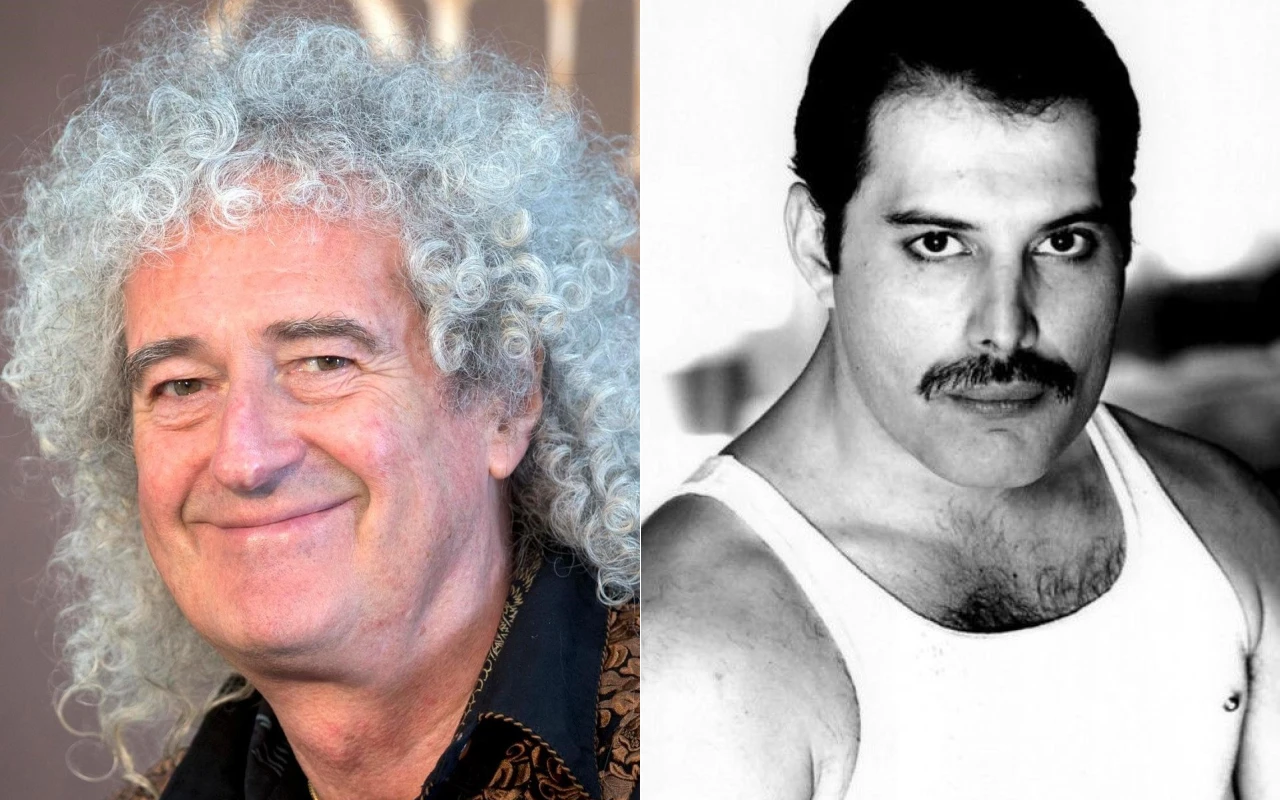
AceShowbiz - Queen is undeniably one of the most iconic rock bands in history, led by the charismatic and legendary frontman Freddie Mercury. Their music has left an indelible mark on generations, with a repertoire full of timeless classics. Among these, the upbeat and energetic track "Don't Stop Me Now" stands out as a fan favorite, celebrated for its infectious melody and feel-good lyrics. Despite its widespread acclaim and lasting popularity, the song caused unexpected discomfort for the band's lead guitarist, Brian May. The question arises: why did Brian May feel uneasy performing such an uplifting anthem?
It is not uncommon for artists to hold complicated feelings about their own work. Many musicians have expressed dislike or discomfort with songs that fans adore. Examples include Alanis Morissette’s conflicted relationship with "Ironic," Oasis’s uneasy feelings toward "Wonderwall," Nirvana’s Kurt Cobain’s complex emotions about "Smells Like Teen Spirit," and Radiohead’s ambivalence about "Creep." Similarly, Brian May did not despise "Don't Stop Me Now," but he admitted to feeling uncomfortable with it during certain periods.
Released in 1979 as part of Queen’s seventh studio album, Jazz, "Don't Stop Me Now" was not an immediate chart-topping sensation but gradually grew into one of the band's most celebrated songs. It features euphoric lyrics about living life to the fullest and seizing joyful moments, paired with a dynamic, dance-inducing rock sound. Over time, the song has become one of Queen’s most streamed tracks, second only to "Bohemian Rhapsody."
Despite its cheerful nature, Brian May once revealed that he initially found the song’s tone a bit too lighthearted given the serious context of the AIDS crisis. He felt that the lyrics somehow downplayed the dangers associated with HIV/AIDS, which was particularly poignant given the tragic fate of Freddie Mercury, who died from AIDS-related pneumonia in 1991. "I found it a little bit too flippant in view of the dangers of AIDS and stuff," May explained.
However, as time passed, Brian May came to see the song differently. He recognized that "Don't Stop Me Now" brought immense joy to listeners around the world. Its uplifting spirit helped people celebrate life and find happiness even in difficult times. "But as time went on, I began to realize that it gave people great joy. I had to give in. It's a great song - there's no way around it," he said, praising Freddie Mercury’s unique ability to create music that made people feel alive.
May has since embraced the impact of "Don't Stop Me Now," acknowledging it as a phenomenon beyond his initial reservations. He observed how the song has become a universal anthem, played at a wide variety of social occasions such as hen parties, stag parties, weddings, and even funerals. The track’s capacity to evoke joy and resilience has made it one of the most requested and beloved Queen songs in live performances.
Brian May expressed appreciation for how audiences connect with the song and use it as an expression of their own joy and determination. He noted, "I don't have any quarrel with it now - I enjoy playing it onstage. It's wonderful that everyone wants to sing it. In singing with us, they express their own joy and their own determination to make the best out of their lives, and to keep on and not get knocked down by things. It's an amazing kind of spiritual lift. That's what the song has become."
"Don't Stop Me Now" was written by Freddie Mercury himself and has since appeared in numerous commercials, TV shows, and films, including the popular 2004 British zombie comedy, Shaun of the Dead, which helped cement its status as a cult classic track. Although Mercury’s life was tragically cut short at age 45, his legacy endures powerfully through songs like "Don't Stop Me Now," which continue to inspire and uplift listeners worldwide.
In sum, while Brian May initially struggled with the song’s seemingly carefree lyrics amid a grave health crisis, his perspective evolved over the years. He now fully acknowledges the profound happiness the song has brought to millions, transforming it into a timeless celebration of life and resilience. This evolution highlights the complex relationship artists can have with their work, as well as the enduring power of music to heal and unite.