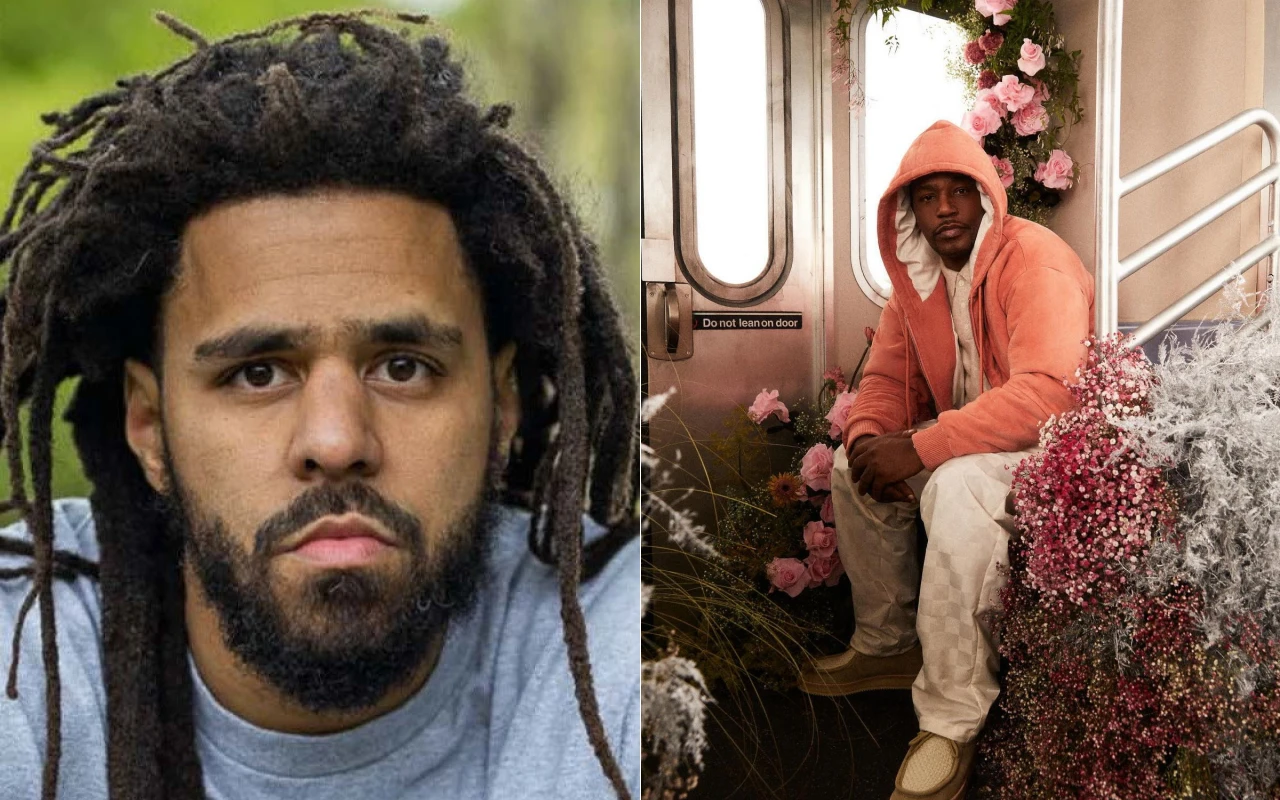
J. Cole & Cam'ron discuss their $500K lawsuit over "Ready 24" in a candid new video. Hear their side of the legal battle.
- March 24, 2026
AceShowbiz - J. Cole and Cam'ron have publicly discussed the lawsuit filed by the Harlem rapper against the North Carolina artist concerning the song "Ready 24."
On Monday, March 23, Cam'ron shared a video on his Talk with Flee Instagram page, featuring a candid conversation between himself and J. Cole. The discussion focused on the legal dispute that arose when Cam'ron sued J. Cole in October 2025. The lawsuit claimed that J. Cole did not reciprocate after Cam'ron appeared on the track, and that he had not been compensated for his contribution. The Harlem rapper sought $500,000 in damages.
In response, J. Cole countersued in February 2026, requesting a judge to dismiss the case brought by Cam'ron. The recently released clip reveals that J. Cole initially felt disappointed and frustrated by the legal action. He shared, "When the lawsuit came out, I was like, 'Come on Cam,' My ego reaction is like, quietly, I'm like, 'f**k this ni**a.' But quickly I'm like, 'But nah I get it though.'"
J. Cole explained that after calming down, he gained perspective and understood Cam'ron's feelings of being overlooked, which led him to pursue legal means to secure what he believed he was owed.
Meanwhile, Cam'ron admitted that the lawsuit was, in part, a publicity tactic. He stated, "Of course it was never gonna go anywhere, but for me it was like, 'I need to get this ni**a attention,'" acknowledging the stunt-like nature of the legal move.
The interview also touches on J. Cole's views regarding the ongoing rap feud between Drake and Kendrick Lamar. He shared insights into how his interactions with both artists have evolved since their rivalry began.
J. Cole's full conversation with Cam'ron will be available on Tuesday, March 24, on Revolt’s YouTube channel as part of the Talk with Flee podcast series.
This discussion marks a significant moment as both rappers openly address the dispute that had caused tension between them, shedding light on the complexities of collaboration and compensation in the music industry.