From struggling filmmaker to creator of Netflix's biggest hit. Director Hwang Dong-hyuk reflects on the global phenomenon of Squid Game and closes a chapter.
- March 19, 2026
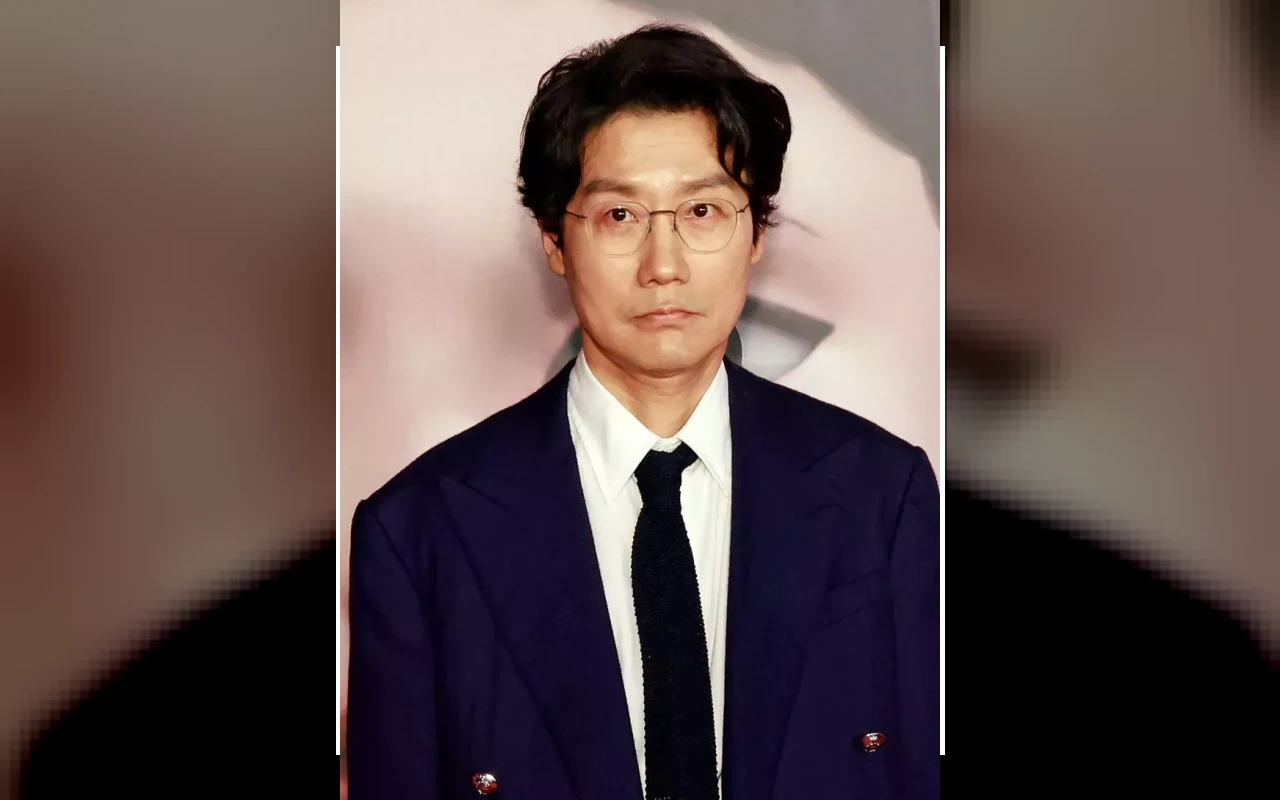
AceShowbiz - Hwang Dong-hyuk, the visionary behind Netflix’s global sensation Squid Game, recently concluded an extensive press tour, culminating in a special appearance at the Asian Film Awards in Hong Kong. There, the acclaimed Korean director reflected on his extraordinary journey from struggling filmmaker to the creator of the most-watched series in Netflix history.
Speaking with The Hollywood Reporter shortly after his AFA engagement, Hwang Dong-hyuk, 54, expressed a sense of closure on his thoughts about Squid Game. "I think I've finally given all the thoughts I can on Squid Game," he shared with a laugh, signaling the end of an era for the project that transformed his career.
Squid Game was an unprecedented phenomenon that resonated worldwide, garnering immense love and opening Hwang Dong-hyuk’s eyes to global perspectives. "It was an unforgettable experience to receive that much love from around the globe. It opened my eyes a little bit to the wider world, and it made me a better person and a better artist," he said. The impact of the series is already influencing his next undertaking, which is gaining international anticipation.
The filmmaker’s upcoming project is a feature film titled KO Club, inspired loosely by the 2011 essay “How Old People Survive” by late Italian novelist and scholar Umberto Eco. The film’s premise revolves around a brutal and violent narrative, arguably even harsher than Squid Game. The title KO Club stands for “killing old people club,” reflecting the story’s exploration of intergenerational conflicts.
Before his global breakthrough with Squid Game, Hwang Dong-hyuk was already a respected filmmaker in South Korea, known for engaging with pressing social issues through his films. His first feature, My Father (2007), told the true story of a Korean adoptee’s search for his biological father, who was on death row for murder. His next film, Silenced (2011), spotlighted real events at a Korean school for the deaf where students suffered sexual abuse by faculty. The film’s dramatization sparked public outrage, resulting in legal reforms that abolished the statute of limitations for sex crimes against minors in South Korea.
Hwang Dong-hyuk then shifted gears to more lighthearted fare with Miss Granny (2014), a comedy about an elderly woman who magically regains her youth, followed by the grand historical drama The Fortress (2017), both box office successes in Korea. Squid Game uniquely combined Hwang Dong-hyuk’s interest in social critique with his talent for accessible, engaging storytelling, using a deadly game format to examine capitalism and inequality.
In contrast to the sprawling format of a streaming series, KO Club will be a tightly crafted feature film. The story will address themes familiar to fans of Squid Game but will unfold within a more contained narrative scope. Eco’s essay that inspired the film satirically proposes a “removal list” targeting elderly professionals to highlight generational tensions, a concept that Hwang Dong-hyuk adapts to a near-future setting.
During his conversation with The Hollywood Reporter in Hong Kong, Hwang Dong-hyuk elaborated on the film’s themes and his development process. He explained that KO Club centers on generational conflict, especially relevant in East Asia, where aging populations and shrinking youth demographics create societal strain. Younger generations bear the tax burden to support pensions, while older generations maintain wealth and political influence. He cited Brexit as an example where older voters shaped decisions impacting younger people’s futures, underscoring the film’s social commentary.
Currently, Hwang Dong-hyuk is finalizing the script for KO Club, expecting to complete it in a few months. Casting has begun, with preproduction slated for fall and filming anticipated to start next spring. This timeline marks a new chapter after six intense years spent writing, directing, and showrunning Squid Game’s three seasons and 22 episodes.
Reflecting on the grueling workload of Squid Game, which famously caused him to lose several teeth due to stress, Hwang Dong-hyuk welcomed the relative brevity of feature film writing. He described the two-hour film script as feeling short and manageable compared to the relentless pace of the series’ production. He is consciously slowing down to enjoy the writing process and avoid the mistakes that come from rushing.
On the production front, Hwang Dong-hyuk noted the challenges of choosing the right platform for KO Club. With cinema attendance declining sharply in Korea, the choice between theatrical release and streaming distribution remains uncertain. Although he prefers the big screen experience over watching on smartphones, Netflix remains a viable and safer option. He is open to working with a major U.S. studio if it ensures a global theatrical release but will consider Netflix again if necessary.
Looking back, Hwang Dong-hyuk’s career has been marked by films that provoke social awareness and change. Silenced stands out as a remarkable example where film directly influenced public opinion, legal action, and justice for victims of sexual abuse. With Squid Game, his critique expanded to broader systemic inequalities, reaching a vast international audience and sparking widespread discussion about capitalism and social disparity.
In sharing his experience, Hwang Dong-hyuk also revealed the three Korean films that shaped his directorial vision, underscoring his thoughtful approach to storytelling. While he did not specify those titles in this interview, his work consistently reflects a commitment to exploring urgent social issues through compelling narratives.
KO Club promises to continue this trajectory, offering a raw, violent examination of intergenerational conflict that taps into contemporary anxieties about aging populations, economic disparity, and societal power dynamics. As Hwang Dong-hyuk moves forward with this project, audiences and critics alike await a film that challenges as much as it entertains, much like Squid Game did before it.
With his unique blend of social commentary and gripping storytelling, Hwang Dong-hyuk is poised to deliver another impactful work that will likely ignite conversation and reflection on the complexities of modern society.