Dive into Stephen King's "too dark" novel, Pet Sematary. Unpack its profound sorrow, psychological horror, and why no film adaptation truly captures its grim...
- December 15, 2025
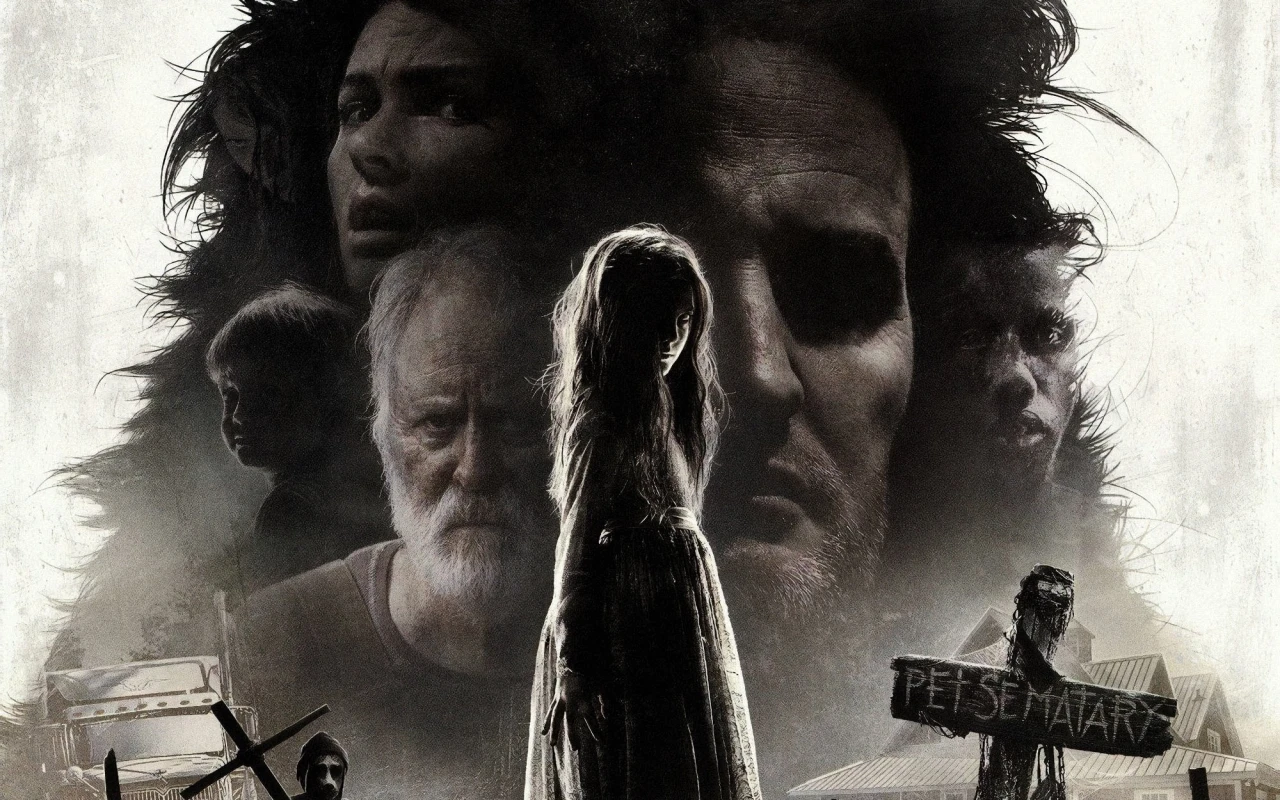
AceShowbiz - Among the vast and terrifying bibliography of Stephen King, few novels delve into the abyss of human sorrow as profoundly as Pet Sematary. Famously deemed too dark even by its creator, who initially hesitated to publish it, the novel eventually entered the world, leaving an indelible mark on horror literature. Despite inspiring two significant film adaptations, including the respected 1989 version and a later attempt, many fans argue that a truly definitive adaptation, one that fully captures its grim essence and psychological depth, remains elusive.
The original narrative of Pet Sematary follows Dr. Louis Creed, who relocates his family from Chicago to the quiet, rural landscape of Maine for a new university position. Life initially seems idyllic, marked by a budding friendship with his kindly neighbor, Jud Crandall. However, tragedy strikes when the family cat, Church, is killed by a truck. Desperate to spare his daughter, Ellie, the pain of loss, Louis heeds Jud’s cryptic advice and buries Church in a mysterious, hallowed ground beyond the local pet cemetery. To Louis’s astonishment, Church returns, but not as the beloved pet he once was. The reanimated feline smells of decay, its wounds still visible, a grotesque echo of its former self. The true horror of Pet Sematary lies not in the grief over a pet, but in the devastating, unbearable grief over a lost child, a fear deeply personal to King, who narrowly avoided losing his own child to a traffic accident. Louis’s journey into madness is a chilling exploration of hypothetical parental grief, making the story intensely real and terrifying.
While the 1989 film adaptation did a commendable job of addressing these profound themes, and the subsequent remake offered its own interpretations, neither has fully captured the nuanced terror and emotional devastation inherent in King’s prose. The honor of delivering the perfect adaptation, one that truly plumbs the depths of this dark masterpiece, should unequivocally fall to the acclaimed master of creature features and gothic storytelling, Guillermo del Toro, whose career boasts an unbroken streak of critically acclaimed and visionary films.
Guillermo del Toro’s cinematic universe is often populated by meticulously crafted creatures and breathtaking practical effects, blending the fantastical with the profoundly human. Beyond his visual prowess, however, his recent work, particularly in Netflix’s Cabinet of Curiosities, has powerfully demonstrated his exceptional capability to handle the sensitive and shattering subject of grief. In this horror anthology series, where various directors contributed to different stories, Guillermo del Toro not only directed an episode but also penned the basis for two others, showcasing his versatility and thematic depth.
One of the most unsettling and poignant entries in Cabinet of Curiosities was “The Murmuring,†based on a short story by Guillermo del Toro himself. This episode follows a pair of married ornithologists in the 1950s, grappling with the recent, tragic death of their child. During their research trip, they encounter the haunting specters of a mother and the son she tragically killed—a narrative steeped in the unbearable weight of parental loss and the lingering presence of the deceased. While Pet Sematary did not invent grief, it masterfully capitalized on its darkest manifestations. In Guillermo del Toro’s hands, the narrative would undoubtedly receive a faithful and grueling depiction, not only of the story’s plot points but also of its underlying emotional and psychological torment.
Guillermo del Toro’s unique blend of fantastical creature design, a profound understanding of human sorrow, and a masterful command of practical effects positions him as the ideal director to finally bring the definitive vision of Stephen King’s Pet Sematary to the screen. His ability to craft sympathetic yet terrifying entities, combined with his proven talent for exploring the devastating impact of loss, would ensure an adaptation that is not only visually stunning but also emotionally resonant and truly unsettling, capturing the macabre heart of King’s darkest fears.