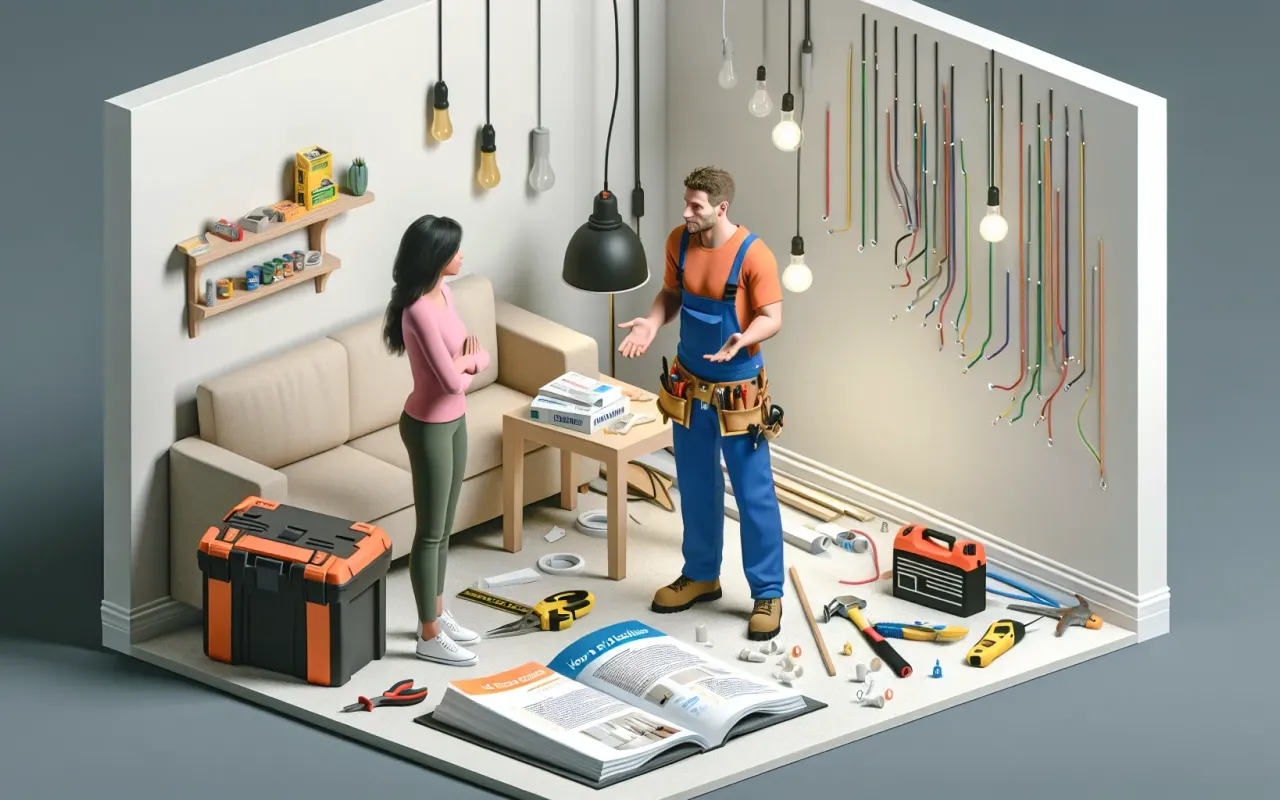
Learn how to choose an electrician for home improvement with our complete guide. Find tips and advice to make sure you hire the right professional for your project.
- October 14, 2024
Planning a home improvement project that requires electrical work can be daunting. Whether it's rewiring a room, installing a new lighting fixture, or upgrading your breaker panel, ensuring that you have a qualified electrician is crucial for the safety and success of the project. This guide provides homeowners with essential tips on how to choose an electrician for home improvement projects.
Why You Need a Professional Electrician
Electrical work can be complex and dangerous if not handled correctly. Apart from the immediate threats of electrical shocks and fires, improper installation can lead to long-term safety hazards and costly repairs. Here are some reasons why hiring a professional electrician is necessary:
- Safety: Licensed electricians have the expertise to perform electrical work safely, minimizing the risk of accidents.
- Compliance: Professionals are knowledgeable about building codes and regulations, ensuring your project is compliant with local and national standards.
- Quality Work: A skilled electrician ensures that the electrical installations are done correctly, leading to fewer issues down the line.
- Insurance: Most home insurance policies require that electrical work be performed by a licensed electrician to be valid in the event of a claim.
Steps to Choose the Right Electrician
Choosing the right electrician involves several important steps. Follow these guidelines to find a reliable and competent professional for your home improvement project:
1. Verify Credentials and Licensing
Ensure the electrician has the necessary licenses and certifications required by your state or local authorities. Licensing serves as a guarantee that the electrician has the required training and knowledge.
2. Look for Experience and Specialization
Experience is a paramount indicator of reliability and skill. Verify that the electrician has substantial experience, particularly with projects similar to yours. Specialization in residential electrical work can also indicate that the electrician is well-versed in handling home improvement projects.
3. Check References and Reviews
Ask for references or check online reviews to gain insight into the electrician's track record. Positive testimonials and high ratings from previous clients are strong indicators of quality and professionalism.
4. Evaluate the Estimate
Request detailed estimates from multiple electricians to compare costs. A good estimate should include a breakdown of labor, materials, and any additional charges. Avoid choosing entirely based on the lowest price; consider the value and quality of the services offered.
5. Assess Communication Skills
Effective communication is critical for a successful project. The electrician should be approachable, willing to answer your questions, and provide clear explanations. This ensures that you are well informed about the progress and any potential issues that arise during the project.
6. Confirm Insurance and Warranty
Verify that the electrician carries adequate insurance, including general liability and worker’s compensation. Additionally, inquire about any warranties or guarantees on their work, which can provide peace of mind in case of future issues.
Understanding the Costs Involved
Electrical work costs can vary widely based on the project's scope, complexity, and location. Here are some factors that influence the cost:
- Type of Project: Simple tasks like replacing a light switch will cost less compared to complex jobs like rewiring an entire home or upgrading the electrical panel.
- Materials: The quality and type of materials you choose can impact overall costs.
- Labor Rates: Electricians' labor rates vary by geographic location and their level of expertise.
- Permits: Some projects require permits, which can add to the total cost.
It's essential to have a clear and detailed contract that outlines the scope of work, timeline, costs, and any contingencies.
Importance of Preventive Electrical Maintenance
Beyond home improvement projects, regular preventive maintenance is crucial to ensure the safety and efficiency of your home's electrical system. Routine inspections can identify potential issues before they become hazardous and costly. Here are some maintenance tips:
- Annual Inspections: Schedule yearly inspections with a licensed electrician to assess the condition of your wiring, outlets, and fixtures.
- Test Safety Devices: Regularly test smoke detectors, carbon monoxide detectors, and GFCI outlets to ensure they are functioning correctly.
- Upgrade Outdated Wiring: Replace old, outdated wiring that might not meet current safety standards or may be prone to wear and tear.
Conclusion
Choosing the right electrician for your home improvement project is an investment in safety, quality, and peace of mind. By following the tips outlined in this guide, you can make informed decisions and ensure the success of your electrical project. Always prioritize credentials, experience, and references, and don't hesitate to ask questions during the hiring process. With the right professional on your side, your home improvement project will be in capable hands.