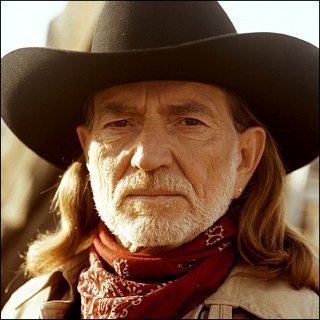
 Willie Nelson, born Willie Hugh Nelson on April 29, 1933, in Abbott, Texas, is an influential American singer, songwriter, guitarist, actor, and activist, revered for his significant contributions to the country music genre. He emerged as a pivotal figure in the outlaw country movement during the late 1960s, a subgenre characterized by a rebellious stance against the mainstream Nashville sound. Nelson's unique blend of traditional country, folk, and blues, paired with his distinctive voice and storytelling prowess, has made him one of the most recognizable and enduring artists in the music industry.
Growing up in a modest household, Nelson was exposed to music early in life, writing his first song at the tender age of seven and joining his first band by ten. After graduating from high school in 1950, he briefly served in the U.S. Air Force but was discharged due to back problems. He then attended Baylor University for two years before deciding to pursue music full-time. Nelson worked as a disc jockey at various radio stations while honing his skills as a singer and songwriter throughout the late 1950s, crafting timeless hits such as "Funny How Time Slips Away," "Crazy," and "Pretty Paper."
In 1960, Nelson relocated to Nashville, where he signed a publishing contract with Pamper Music, which facilitated his entry into Ray Price's band as a bassist. His first album, ...And Then I Wrote, was released in 1962, marking the beginning of his professional recording career. After a series of mid-chart successes, dissatisfaction with the corporate Nashville scene prompted Nelson to move to Austin, Texas, in 1972, where he embraced a more independent and creative approach to his music. This shift led to the release of groundbreaking albums like Shotgun Willie and Red Headed Stranger, solidifying his status as a leading figure in outlaw country.
During the mid-1980s, Nelson's popularity soared with the release of hit albums such as Honeysuckle Rose and collaborations with fellow country icons. He became a member of the country supergroup The Highwaymen alongside Waylon Jennings, Johnny Cash, and Kris Kristofferson. His 1980 anthem "On the Road Again" became one of his signature songs, further cementing his legacy in country music. In 1985, he co-founded Farm Aid, a benefit concert aimed at supporting American farmers, which has continued annually, showcasing his commitment to social causes.
Despite facing financial difficulties in the 1990s when the Internal Revenue Service claimed he owed $32 million, Nelson rebounded with the release of The IRS Tapes: Who'll Buy My Memories?, which helped settle his debts. Throughout the 1990s and 2000s, he continued to tour and release albums across various genres, including reggae and jazz, maintaining a prolific presence in the music scene.
In addition to his musical endeavors, Nelson has appeared in over 30 films, starting with a role in The Electric Horseman. He is also known for his activism, particularly in advocating for marijuana legalization through his involvement with the National Organization for the Reform of Marijuana Laws (NORML) and promoting environmental sustainability with his biodiesel brand, Willie Nelson Biodiesel. Nelson remains a beloved figure in American culture, celebrated not only for his music but also for his indomitable spirit and dedication to activism, continuing to inspire generations of fans and artists alike.
⭐
Similar Celebrities



📷
Recent Photos

Anna Camp
2012 Entertainment Weekly Pre-Emmy Party
Sep 21, 2012

Anna Camp
2012 Entertainment Weekly Pre-Emmy Party
Sep 21, 2012
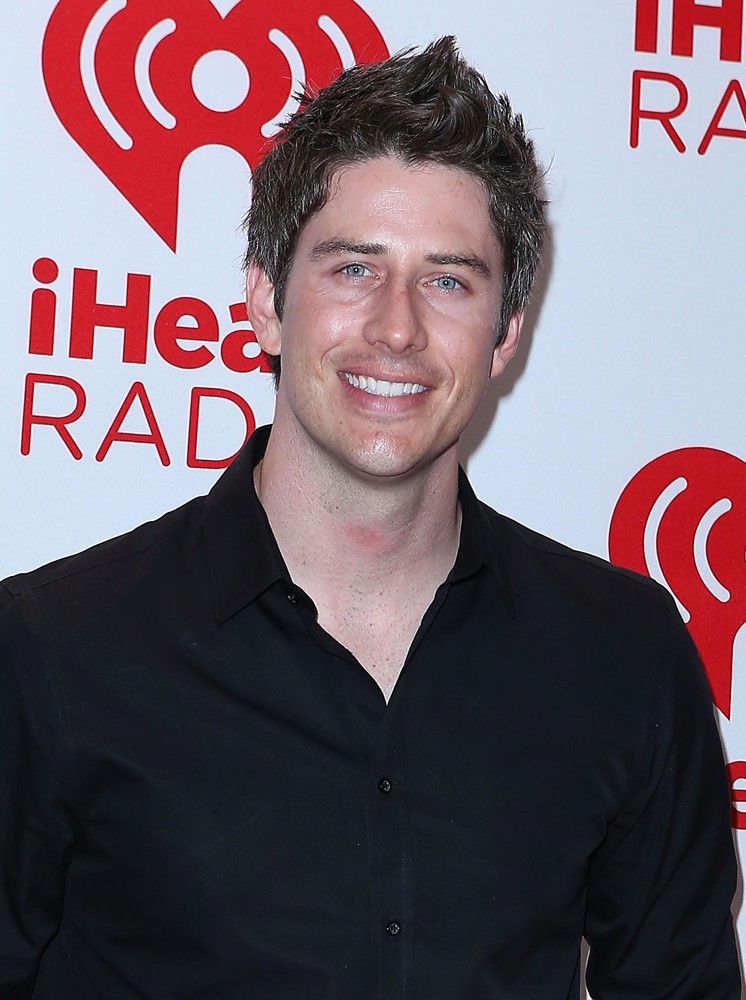
Arie Luyendyk Jr.
2012 iHeartRadio Music Festival - Day 1 - Arrivals
Sep 21, 2012
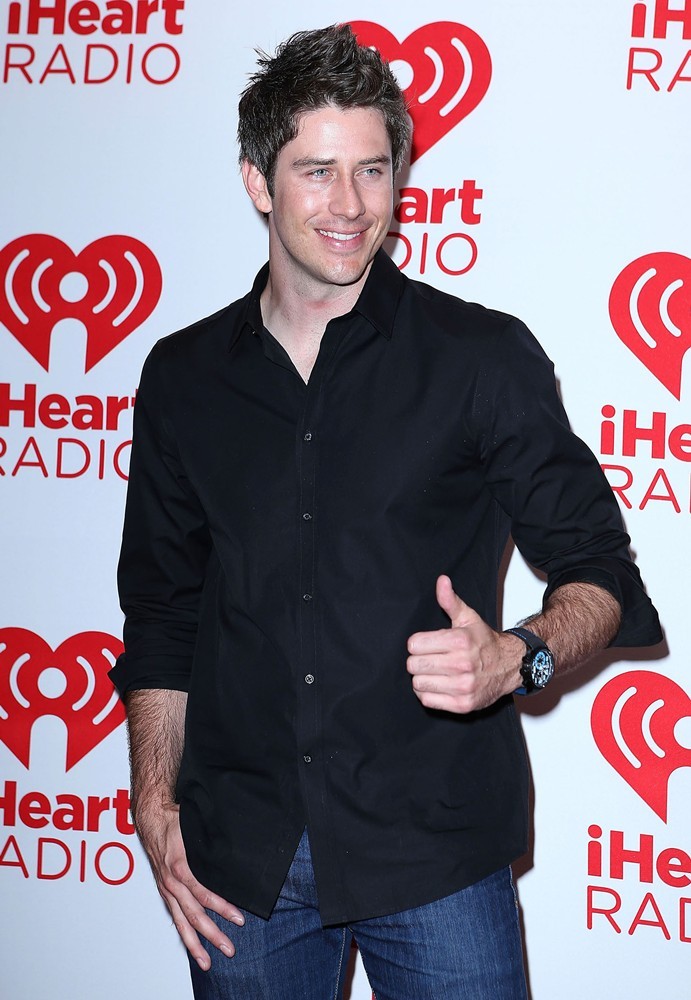
Arie Luyendyk Jr.
2012 iHeartRadio Music Festival - Day 1 - Arrivals
Sep 21, 2012
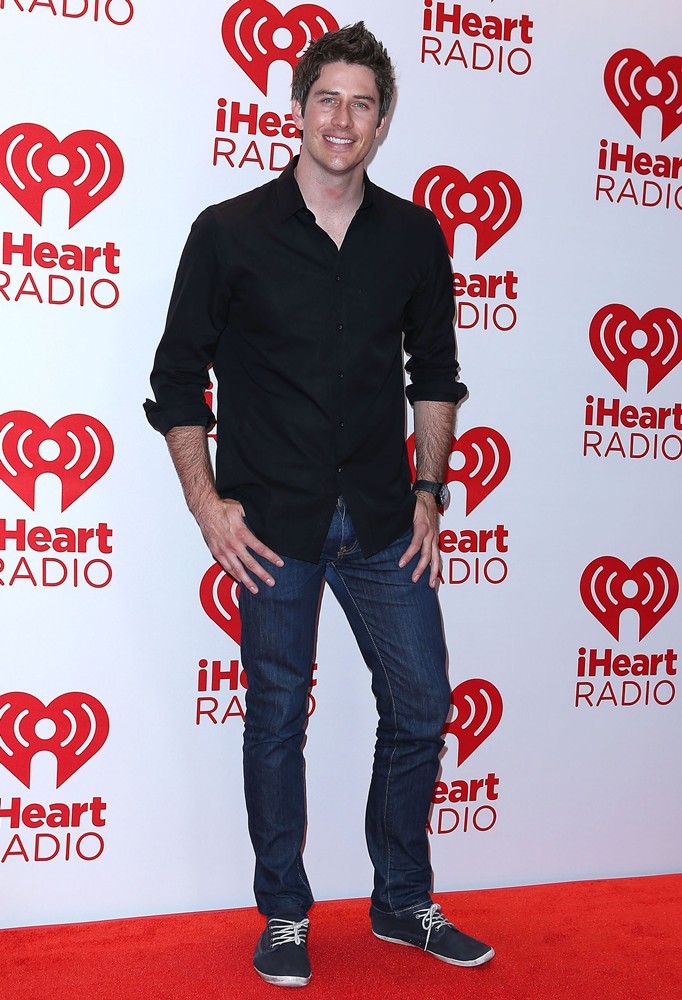
Arie Luyendyk Jr.
2012 iHeartRadio Music Festival - Day 1 - Arrivals
Sep 21, 2012

Ariel Winter
Variety and Women in Film Pre-EMMY Event Presented by Saint Vintage
Sep 21, 2012





⭐Featured Celebrities