Michael Antonio Cimino, born February 3, 1939, in New York City, was an American film director, screenwriter, producer, and author whose uncompromising artistic vision left an indelible, if controversial, mark on Hollywood. A figure of immense talent and notorious perfectionism, Cimino is best remembered for his towering masterpiece The Deer Hunter (1978), a film that earned him five Academy Awards, including Best Picture and Best Director, and cemented his place among the most celebrated auteurs of his generation. His career, however, was defined by a dramatic arc of meteoric rise, spectacular fall, and eventual critical rehabilitation, making him one of the most complex and fascinating figures in American cinema.
Before his cinematic triumphs, Cimino’s creative foundation was built on a background in painting and architecture. He began his professional life as a commercial director in New York, honing a meticulous visual style that would later become his signature. In the early 1970s, he relocated to Los Angeles to pursue screenwriting, where he co-wrote the scripts for Silent Running (1972) and Magnum Force (1973). His breakthrough came with the screenplay for Thunderbolt and Lightfoot (1974), which he also directed, marking his directorial debut. The film, a heist comedy-drama starring Clint Eastwood, was both a critical and commercial success, becoming one of the highest-grossing films of the year and establishing Cimino as a promising new voice in the New Hollywood movement.
The staggering success of The Deer Hunter, a harrowing drama about the psychological toll of the Vietnam War on a group of friends from a Pennsylvania steel town, afforded Cimino unprecedented creative control. The film, which featured powerful performances from Robert De Niro, Christopher Walken, and Meryl Streep, was lauded for its raw emotional power and epic scope. This acclaim, however, set the stage for his infamous follow-up, Heaven's Gate (1980). Plagued by massive budget overruns, endless reshoots, and Cimino’s obsessive attention to detail, the film was a legendary critical and commercial disaster, losing production studio United Artists an estimated $37 million. Its failure was widely seen as the death knell of the director-driven New Hollywood era, shifting studio power toward high-concept, crowd-pleasing blockbusters. In a remarkable turn of events, Heaven's Gate has undergone a dramatic critical reappraisal in recent decades, with BBC Culture even naming it one of the greatest American films ever made.
Following the fallout from Heaven's Gate, Cimino directed only four subsequent films, including Year of the Dragon (1985), The Sicilian (1987), Desperate Hours (1990), and Sunchaser (1996). He became infamous for the sheer number of ambitious projects left unfinished, a testament to his uncompromising artistry. By 2002, he claimed to have written at least 50 scripts, with his "dream projects" including adaptations of novels like Conquering Horse, The Fountainhead, and Man's Fate, as well as biopics on crime boss Frank Costello and Irish rebel Michael Collins. Michael Cimino passed away on July 2, 2016, leaving behind a complex legacy of brilliance, excess, and a body of work that continues to be debated and admired.
⭐
Similar Celebrities

📷
Recent Photos
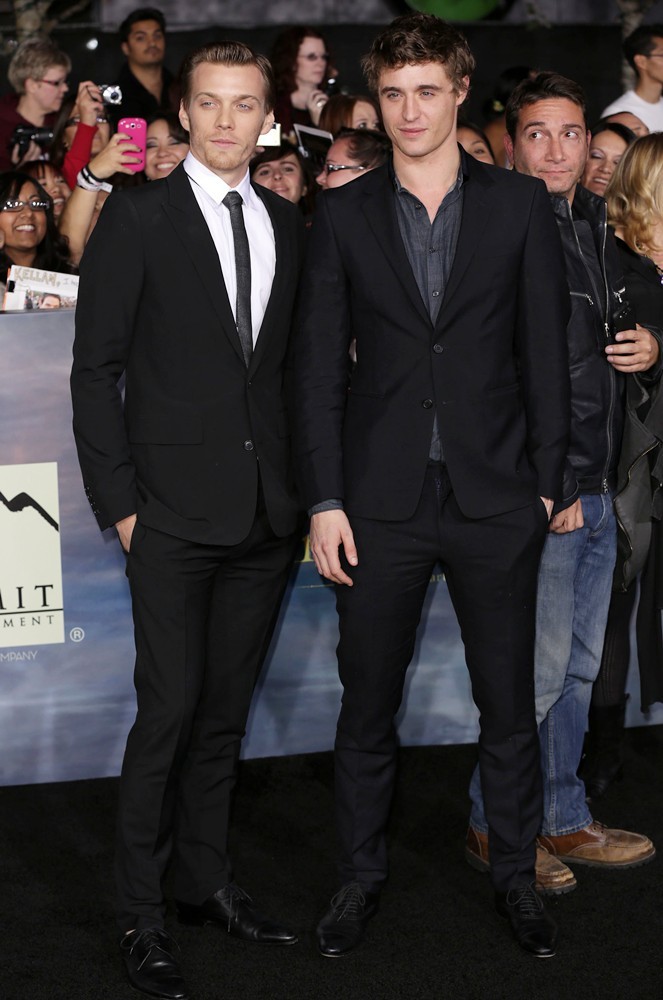
Jake Abel
The Premiere of The Twilight Saga's Breaking Dawn Part II
Nov 12, 2012
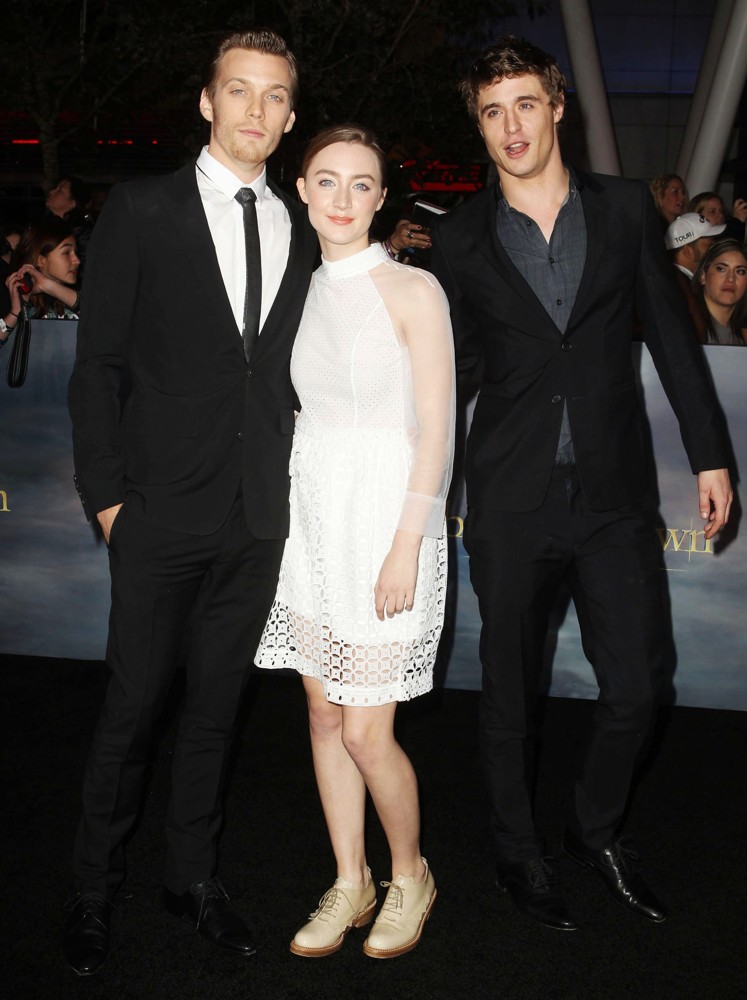
Jake Abel
The Premiere of The Twilight Saga's Breaking Dawn Part II
Nov 12, 2012
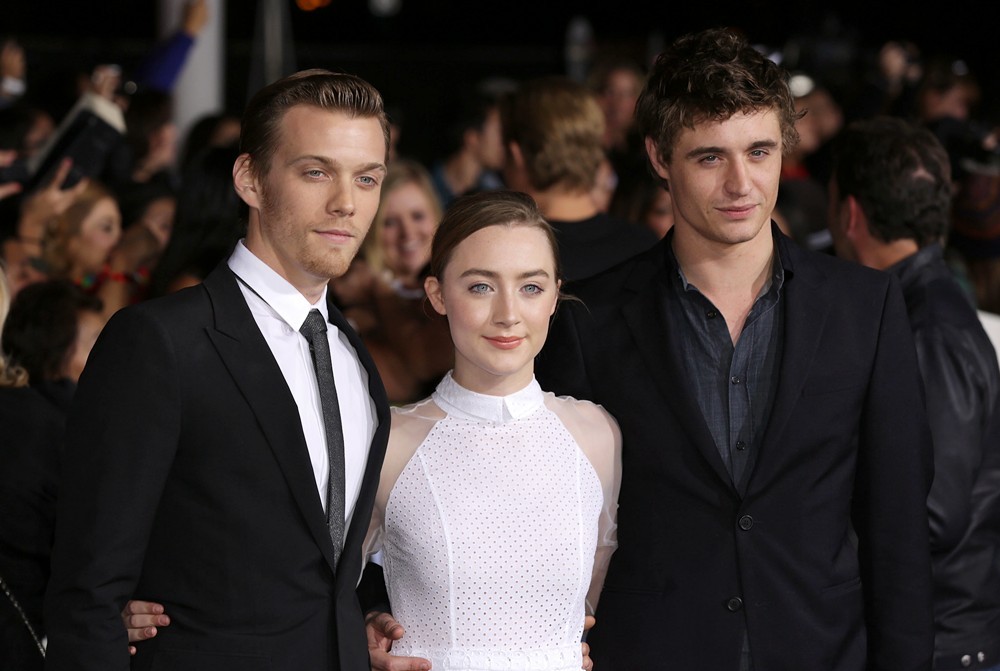
Jake Abel
The Premiere of The Twilight Saga's Breaking Dawn Part II
Nov 12, 2012
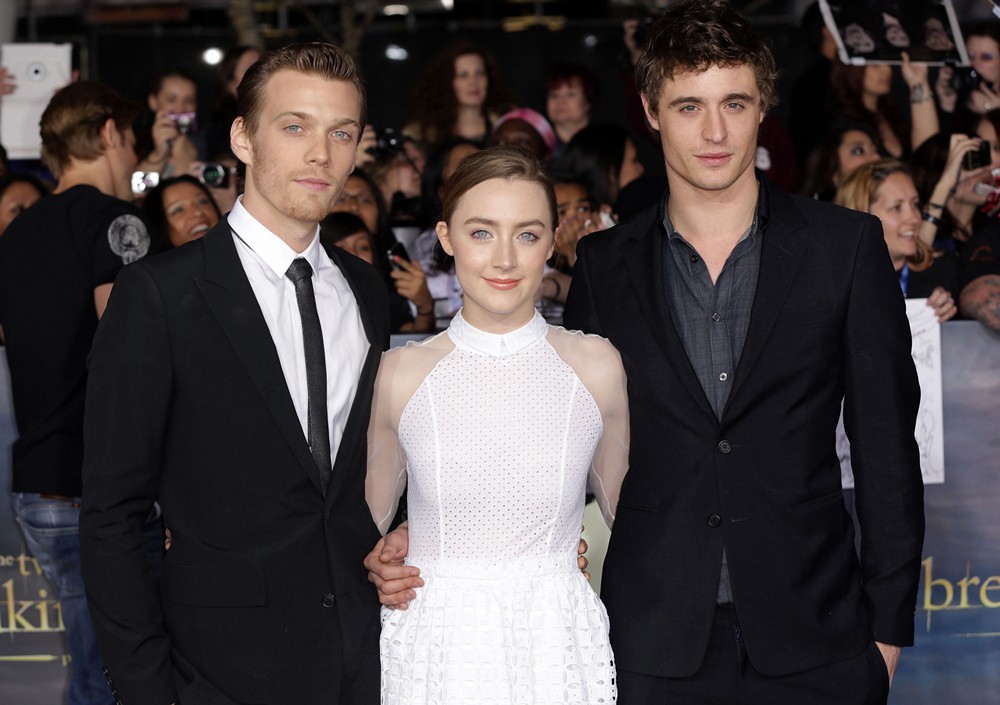
Jake Abel
The Premiere of The Twilight Saga's Breaking Dawn Part II
Nov 12, 2012
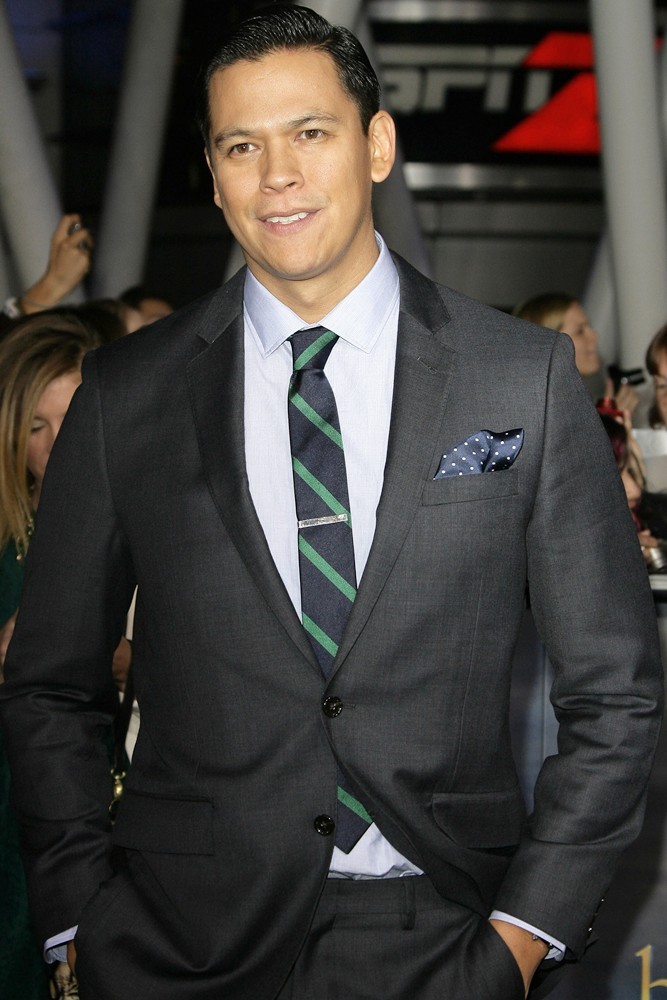
Alex Meraz
The Premiere of The Twilight Saga's Breaking Dawn Part II
Nov 12, 2012

Alexa Vega
The Premiere of The Twilight Saga's Breaking Dawn Part II
Nov 12, 2012



⭐Featured Celebrities