Lou Reed
- Graduated from the Syracuse College of Arts and Sciences with a B.A in June 1964
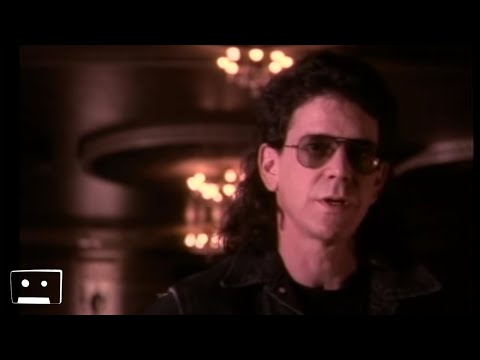
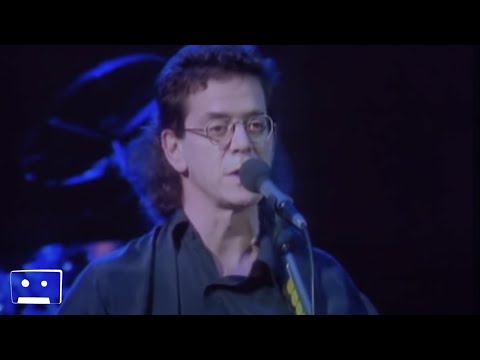
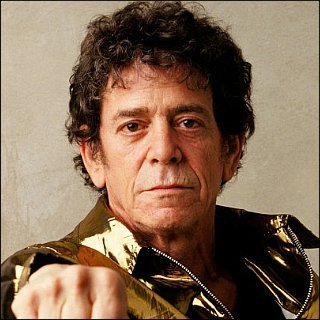
Lewis Alan Reed, known as Lou Reed, was an iconic American rock musician and songwriter whose career spanned five decades. Born on March 2, 1942, in Freeport, New York, Reed became a pivotal figure in the music world, first as the frontman of the influential band the Velvet Underground and later as a successful solo artist. He was celebrated for his distinctive deadpan vocal style, poetic lyrics that often explored controversial themes, and innovative guitar work, which left an indelible mark on alternative and underground rock music.
Reed's musical journey began in the mid-1960s when he formed the Velvet Underground with fellow musicians John Cale, Sterling Morrison, and Angus MacLise. The band was initially associated with avant-garde art and culture, particularly through their collaboration with renowned artist Andy Warhol, who managed the group and featured them in his artistic endeavors. The Velvet Underground's first album, released in 1967 and known for its experimental sound and raw honesty, failed to achieve commercial success at the time but later gained legendary status, influencing generations of musicians.
After leaving the Velvet Underground in 1970, Reed transitioned to a solo career that would prove to be both prolific and varied. His second album, "Transformer," released in 1972 and produced by David Bowie with arrangements by Mick Ronson, catapulted him into the mainstream, largely due to the success of the hit single "Walk on the Wild Side." This album is often regarded as a landmark of glam rock, showcasing Reed's ability to blend catchy melodies with provocative themes. Following this breakthrough, his subsequent albums, such as "Berlin" and "Rock 'n' Roll Animal," continued to demonstrate his artistic evolution, although they garnered mixed commercial success.
Despite facing significant challenges, including struggles with drug addiction and alcoholism, Reed achieved sobriety in the early 1980s, which revitalized his career. He released critically acclaimed works such as "The Blue Mask" and "New Sensations," culminating in his celebrated 1989 album "New York," which received both critical and commercial acclaim. Throughout the 1990s, Reed briefly reunited with the Velvet Underground, and his collaborative album with John Cale, "Songs for Drella," served as a tribute to their mentor, Andy Warhol. His 1992 album "Magic and Loss" became his highest-charting album in the UK, further cementing his legacy.
Reed's contributions to music were recognized with his induction into the Rock and Roll Hall of Fame, both as a member of the Velvet Underground and as a solo artist. His influence extended beyond music, as he contributed to theatrical interpretations of literary works, culminating in the album "The Raven." Reed remained a vital force in the music industry until his passing on October 27, 2013, leaving behind a rich legacy of innovation and artistry that continues to inspire musicians and fans around the world. His work and persona remain emblematic of the transformative power of rock music, securing his place as a seminal figure in the genre's history.