Leslie Cheung Kwok-wing, born Cheung Fat-chung on 12 September 1956 in Kowloon, British Hong Kong, remains one of the most revered cultural icons in the Sinophone world, celebrated for his debonair demeanor, flamboyant screen characters, and avant-garde, androgynous stage presence. Over a 26-year career, he released more than 40 music albums and appeared in 56 films, leaving an indelible mark on both Cantopop and cinema. Cheung’s journey began in England, where he studied from the age of 12 until he returned to Hong Kong in 1976. He first garnered attention the following year by entering RTV’s Asian Singing Contest, a pivotal moment that launched his entertainment career.
Cheung achieved widespread popularity in 1984 with the hit single “Monica,” which helped define the burgeoning Cantopop genre and solidified his status as one of its founding fathers. Throughout the 1980s, he dominated the music scene, releasing landmark albums like Summer Romance in 1987, which sold over 300,000 copies and remains one of the best-selling albums in Hong Kong history. In 1989, at the peak of his fame, Cheung shocked fans by announcing his retirement from music, emigrating to Canada the following year. However, he returned to Hong Kong in 1994, and his reemergence in the late 1990s, particularly with the 1996 album Red, showcased sonic experimentation and daring, androgynous imagery that pushed cultural boundaries.
Parallel to his music career, Cheung achieved pan-Asian fame through his film work. He starred in John Woo’s classic A Better Tomorrow in 1986 and the romantic fantasy A Chinese Ghost Story in 1987, both of which became massive hits. His performance in Wong Kar-wai’s Days of Being Wild in 1990 earned him the Best Actor award at the 1991 Hong Kong Film Awards. Cheung gained international recognition for his role in Chen Kaige’s Farewell My Concubine in 1993, a film that won the Palme d’Or at Cannes and showcased his dramatic range. He further captivated audiences with his work in Wong Kar-wai’s Happy Together in 1997, which explored themes of love and exile.
Cheung’s legacy is immense. His 1995 album Most Beloved also sold over 300,000 copies, cementing his place among the best-selling musical acts in Hong Kong history. In recognition of his film contributions, he was selected as one of the Top 100 Foreign Actors of the 20th Century by Kinema Junpo, and in 2010, CNN named him one of the 25 Greatest Asian Actors of All Time. On 1 April 2003, Cheung tragically died by suicide by jumping from the Mandarin Oriental hotel in Hong Kong, a loss that deeply affected fans and the entertainment industry worldwide. His work continues to inspire new generations, and he remains a symbol of artistic freedom, emotional depth, and cultural transformation.
⭐
Similar Celebrities
📷
Recent Photos
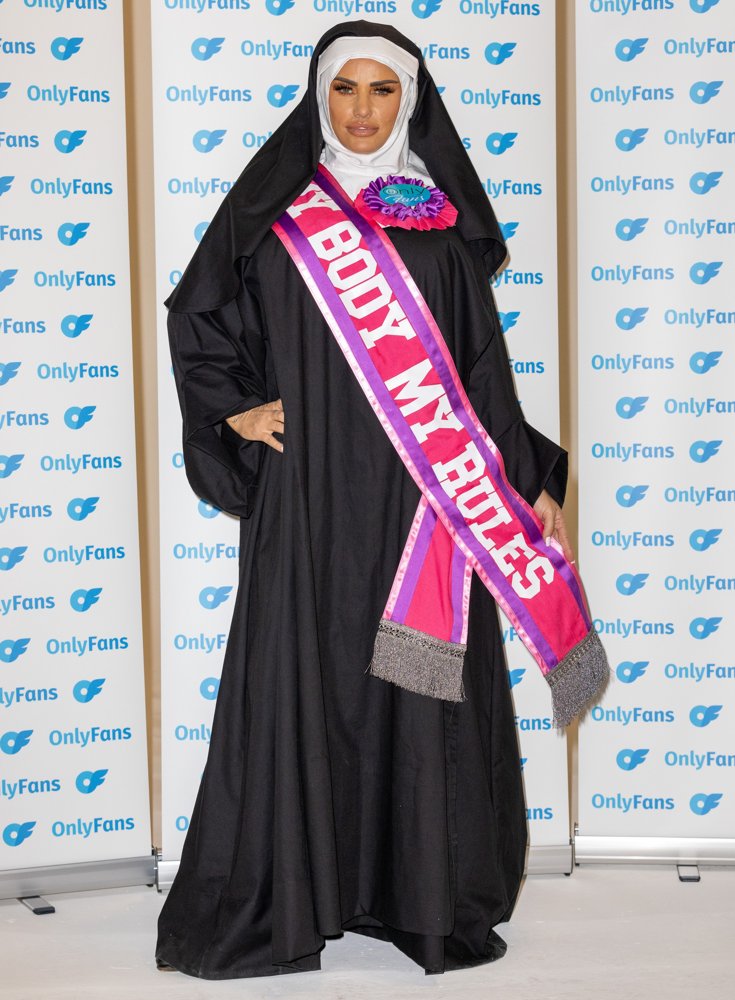
Katie Price
Katie Price Launches Only Fans Channel - Photocall
Jan 26, 2022
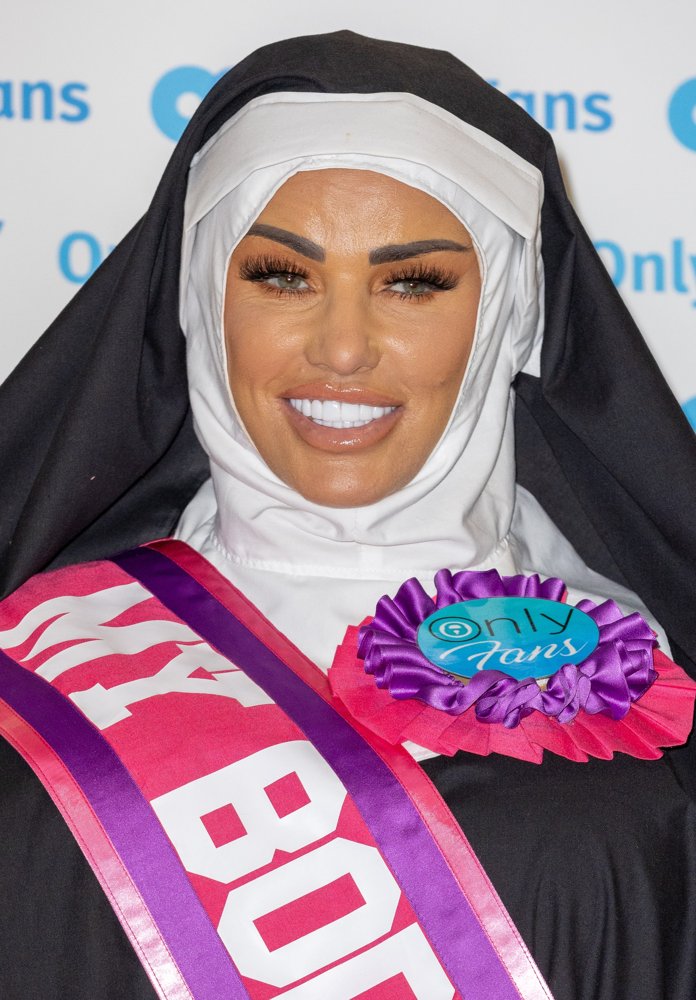
Katie Price
Katie Price Launches Only Fans Channel - Photocall
Jan 26, 2022
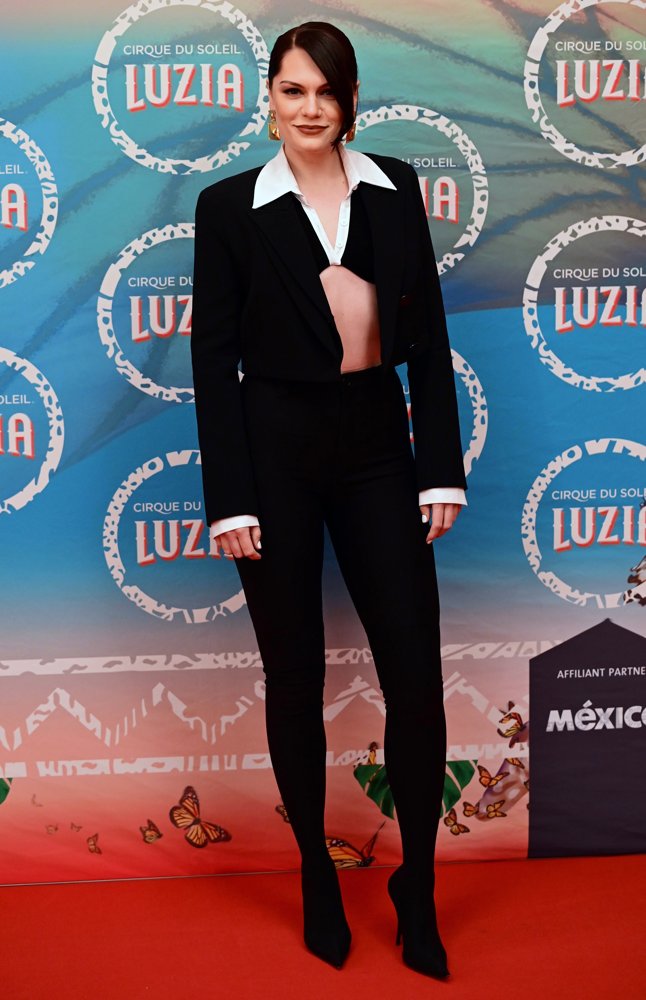
Jessie J
The Premiere of Cirque Du Soleil Luzia
Jan 13, 2022
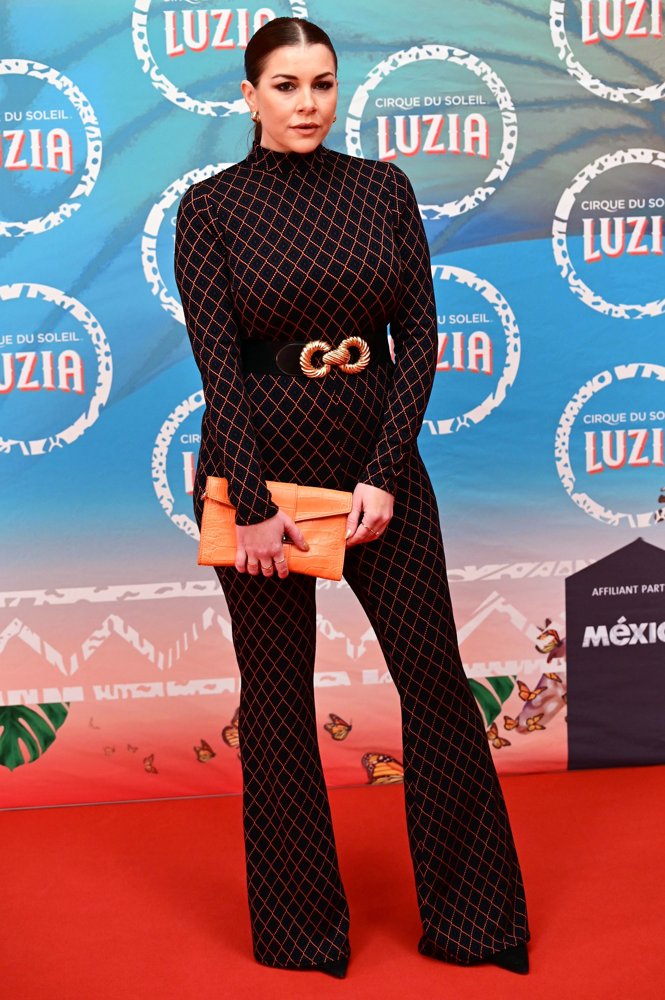
Imogen Thomas
The Premiere of Cirque Du Soleil Luzia
Jan 13, 2022

Hayley Palmer
The Premiere of Cirque Du Soleil Luzia
Jan 13, 2022

Phoenix Chi Gulzar
The Premiere of Cirque Du Soleil Luzia
Jan 13, 2022




⭐Featured Celebrities