Discover practical, high-impact home upgrades that slash energy costs and boost comfort—without the hefty price tag. Start saving this month.
- August 10, 2026
AceShowbiz - You know that sinking feeling when you open your utility bill and the number just stares back at you, unblinking and absurdly high? It's not just you. The average American household spends roughly $2,000 a year on energy, and a shocking chunk of that—up to 30%—is literally leaking out of your walls, windows, and attic. The good news? You don't need to install solar panels or buy a fleet of electric vehicles to make a serious dent. A few strategic, smart upgrades can cut your consumption by 25% or more, which translates to hundreds of dollars back in your pocket annually. And let's be honest, in a world where every dollar counts, that's not just smart—it's essential.
The trick is knowing where to start. Too many people assume "energy efficiency" means a massive, invasive renovation that costs a fortune. That's a myth. The reality is that the most impactful upgrades are often the least glamorous—and the most affordable. We're talking about sealing gaps, tweaking your habits with technology, and replacing a few key items that are silently wasting power. This isn't about sacrificing comfort; it's about optimizing it. You can have a cozier home in winter, a cooler one in summer, and a wallet that doesn't wince every time the thermostat kicks on.
So, before you resign yourself to another year of sky-high bills, take a breath. This guide is your practical, no-nonsense roadmap to a more efficient home. We'll break down the upgrades that offer the best return on investment, explain the "why" behind each one, and give you actionable steps to get started. Whether you're a homeowner with a toolbox or a renter looking for permission to tweak your space, there's something here for you. Let's turn that energy drain into a trickle, one smart upgrade at a time.
The Silent Money Pit: Why Air Sealing Beats New Windows Every Time
Ask most people about energy efficiency, and they'll immediately think of replacing windows. It's the classic upgrade, but here's the dirty secret: brand-new windows are usually the last thing you should buy. The real culprit behind drafts and high bills is air leakage—tiny cracks and gaps that let conditioned air escape and outdoor air sneak in. These gaps are the equivalent of leaving a window wide open all year round, and they're hiding in places you'd never think to look.
Think about the average home. The U.S. Department of Energy estimates that air leaks can account for 25% to 40% of the energy used for heating and cooling. That's a massive amount of waste. The worst offenders are usually in the attic (where wires and pipes poke through), around recessed lighting fixtures, and along the basement rim joists where the foundation meets the wood framing. You might feel a draft near an outlet on an exterior wall—that's a direct highway for your warm air to escape in winter.
The fix is ridiculously cheap and effective. A few tubes of high-quality silicone caulk and a couple of cans of expanding spray foam will set you back less than $50. Spend a Saturday afternoon sealing those visible gaps around window frames, baseboards, and anywhere pipes enter your home. For the attic, use the foam to seal around any penetrations before you even think about adding more insulation. This is the single most cost-effective DIY project you can do, with a payback period of under a year in most climates. You'll notice the difference immediately—your home will feel less drafty, and your HVAC system won't have to run as often to keep up.
Actionable Takeaway: Grab a stick of incense and hold it near suspicious areas (windows, doors, outlets) on a windy day. If the smoke wavers, you've found a leak. Seal it with caulk or foam. This one afternoon of work can save you up to 10% on your annual energy bill.
Programmable vs. Smart Thermostats: Cashing in on Convenience
If you've ever argued with your partner about the thermostat, this is your peace treaty. A programmable thermostat isn't a new concept, but the modern smart thermostat has completely changed the game. It's not just about setting a schedule anymore; it's about having a device that learns your habits, adjusts to your location, and optimizes your HVAC system's performance without you lifting a finger. This is where technology truly meets savings.
Here's the "so what": According to Energy Star, a smart thermostat can save you an average of 8% on your heating and cooling bills, or about $50 a year. But the real value is in the behavior change. Most people forget to adjust the thermostat when they leave for work or go to bed. A smart thermostat automates that setback, ensuring you're not paying to heat or cool an empty house. Models like the Nest or Ecobee use motion sensors and your phone's GPS to detect when you're away, automatically switching to an eco-mode that saves energy.
But it's not just about the gadget; it's about the data. These devices provide detailed energy reports that show you exactly when you use the most energy and how your usage compares to similar homes. This insight is powerful—it turns vague anxiety about your bills into concrete, actionable data. You might discover that your peak usage is between 5 PM and 8 PM, prompting you to adjust your pre-cooling or pre-heating schedule. The learning curve is minimal, and most models are DIY-installable in under an hour, provided you have a common "C-wire" or are willing to use the included power adapter.
Actionable Takeaway: If you're not ready for a smart thermostat, at least buy a programmable one for $30 and set it to lower the temperature 7-10 degrees for the 8 hours you're at work or asleep. This simple habit can save you up to 10% a year on heating and cooling. For the smart version, look for rebates from your utility company—many offer $50 to $100 off the purchase price.
Water Heaters: The Overlooked Energy Hog in Your Basement
We talk about heating and cooling our air, but we often forget about the other massive energy consumer: water heating. It accounts for about 18% of your home's energy use, making it the second-largest expense in most households. And the worst part? Most of us are using a tank-style water heater that's constantly heating a large volume of water, even when we're not using it. It's a 24/7 energy drain that you can easily tame.
The most impactful upgrade here is a heat pump water heater, also known as a hybrid. Instead of generating heat directly, it moves heat from the surrounding air into the water, making it two to three times more efficient than a standard electric model. The upfront cost is higher—around $1,500 to $2,000 versus $500 for a standard tank—but the savings are substantial. Energy Star estimates that a heat pump water heater can save a family of four over $500 a year in electricity costs. That's a payback period of just a few years, and then it's pure profit for the next decade.
If you're not ready to replace the whole unit, there's a simpler fix: an insulation blanket and pipe wrap. For about $30, you can insulate your existing water heater tank and the first six feet of hot water piping. This reduces standby heat loss, meaning the water stays hotter for longer, so the unit doesn't have to kick on as frequently. It's not as sexy as a new appliance, but it's a classic low-effort, high-reward upgrade. Also, check your thermostat setting—many are set to 140°F from the factory, but 120°F is perfectly sufficient for most households and reduces energy use by up to 10%.
Actionable Takeaway: Lower your water heater temperature to 120°F today. It's a five-minute adjustment that saves energy and prevents scalding. If your tank feels warm to the touch, invest $20 in a water heater insulation blanket—the savings will pay for it within a few months.
Lighting and Appliances: The Low-Hanging Fruit of Efficiency
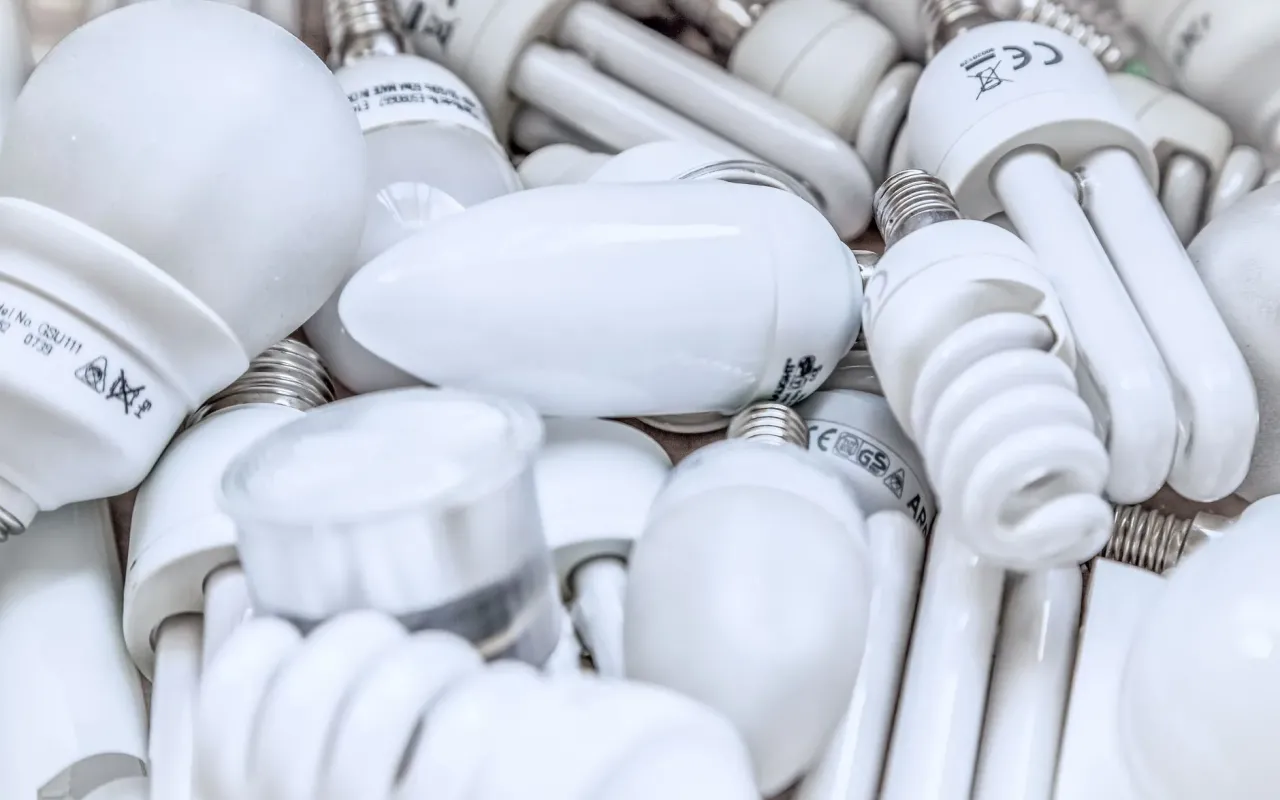
Let's talk about the easiest wins you'll ever get. Lighting and appliances are the visible, controllable parts of your energy bill. It's the stuff you interact with daily, and the opportunities for savings are massive. The shift from incandescent bulbs to LEDs is a no-brainer, but many homes still have a few old bulbs burning away, wasting 80% of their energy as heat. It's like paying for a space heater every time you turn on a light.
The data is staggering: an LED bulb uses 75% less energy and lasts 25 times longer than an incandescent. If you replace your home's five most-used bulbs with Energy Star-rated LEDs, you can save about $75 a year. But don't stop there. Look at your appliances. If your refrigerator was made before 2000, it's likely using double the energy of a modern, Energy Star-certified model. The same goes for old washing machines and dryers. The "so what" here is that these are the items you use every single day, so the cumulative savings add up quickly.
The best part? You don't have to do this all at once. Start by replacing the bulbs in your kitchen and living room—the ones you use for hours each evening. Then, when your old appliances finally die, replace them with Energy Star models. Many utility companies also offer incentives for recycling old refrigerators and freezers, sometimes even picking them up for free. It's a win-win: you get rid of an energy vampire, and you get a small check in the mail. Remember, a "smart" appliance that isn't Energy Star certified isn't necessarily efficient—look for the blue label, not just the Wi-Fi connectivity.
Actionable Takeaway: Do a quick audit of your home. Count how many bulbs are still incandescent and replace them with LEDs immediately. Then, check your refrigerator's manufacture date. If it's older than 10-15 years, start budgeting for a replacement—the energy savings alone will help finance the new model.
Attic Insulation: The Overlooked Barrier Between You and the Sky
You've sealed the air leaks, but now you need to beef up the barrier. Attic insulation is the unsung hero of home comfort. It's the fluffy stuff lying in your crawl space that acts as a blanket for your entire house. In winter, it keeps the warmth in; in summer, it keeps the blistering heat out. Without adequate insulation, your HVAC system is fighting a losing battle, constantly running to compensate for the temperature exchange happening right above your ceiling.
Most older homes are drastically under-insulated. The recommended level for most climates is R-38 to R-60, which is about 12 to 18 inches of fiberglass or cellulose. If you can see the floor joists in your attic, you probably don't have enough. Adding insulation is one of the most cost-effective upgrades you can make. The Department of Energy estimates that properly insulating your attic can save you up to 15% on heating and cooling costs—that's a significant chunk of change. It's not uncommon to see a payback period of just two to three years.
This is a job you can DIY, but it's dusty and unpleasant. You can rent a blower from a home improvement store and buy cellulose or fiberglass batts. However, if you're not comfortable crawling around in a hot, cramped attic, hiring a professional is worth the money. The key is to ensure you don't block any soffit vents—you need airflow to prevent moisture buildup. You also want to make sure the insulation doesn't cover any recessed lighting fixtures unless they are rated "IC" (insulation contact). The upfront cost for a pro is around $1,500 to $2,500, but the monthly savings on your utility bills will make it feel like a no-brainer.
Actionable Takeaway: Grab a flashlight and look up into your attic. If the insulation is level with or below the floor joists, you need more. Aim for at least 12 inches of coverage. This is the single best investment you can make for year-round comfort and efficiency.
Window Treatments and Reflective Films: A Cheap Fix for Solar Heat Gain
We said you don't need new windows, and we meant it. But that doesn't mean you can't improve the ones you have. The sun is a powerful force, and in the summer, it can turn a room into a greenhouse, forcing your AC to work overtime. In the winter, those same windows can be a major source of heat loss. The solution isn't replacement; it's management. Strategic window treatments and reflective films can dramatically reduce this energy transfer for a fraction of the cost.
Here's the science: about 76% of the sunlight that falls on standard double-pane windows enters as heat. In the summer, that's your enemy. A simple, low-cost fix is to install reflective window film on east- and west-facing windows. This film blocks a significant portion of the sun's UV rays and solar heat before it enters your home. You can buy a DIY kit for about $20 per window, and it takes less than an hour to apply. It's a game-changer for rooms that get blasted with afternoon sun.
For winter, the strategy flips. Heavy, insulated curtains can act as a barrier against cold drafts. Closing them at dusk can reduce heat loss by up to 10%. It's an old-school trick, but it works. Consider installing cellular shades, which have a honeycomb structure that traps air and provides a layer of insulation. They're not the cheapest option, but they're far less expensive than new windows and offer a sleek, modern look. The takeaway is to be intentional about your windows. They are the weakest link in your home's envelope, but you can shore them up without a major renovation.
Actionable Takeaway: On a sunny summer day, hold your hand near a sunny window. If you feel significant heat, apply a reflective film to that window. During winter, make a habit of opening curtains on south-facing windows to let the sun warm the room, then closing them at night to trap the heat inside.
Upgrading your home's energy efficiency isn't about a single, massive project. It's a collection of smart, incremental changes that compound over time. Start with the air sealing and insulation—the hidden leaks—and then move to the controllable tech like thermostats and lighting. Before you know it, you'll have a home that feels more comfortable, runs more efficiently, and costs significantly less to operate. The best part? You don't have to do it all at once. Pick one project this weekend, and let the savings motivate you to tackle the next.