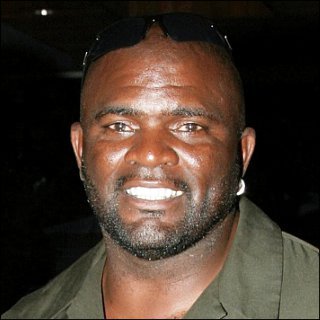
 Lawrence Julius Taylor, born on February 4, 1959, in Williamsburg, Virginia, is an iconic figure in American football, widely regarded as one of the greatest defensive players in the history of the National Football League (NFL). Nicknamed "L.T.," Taylor's impact on the game transcended statistics, as he revolutionized the linebacker position and defensive strategies in professional football.
Taylor's early life was shaped by his parents, Iris and Clarence Taylor, who instilled in him a strong work ethic. He attended the University of North Carolina at Chapel Hill, where he excelled in football, becoming an All-American player during his college career from 1978 to 1981. His remarkable performance on the field caught the attention of NFL scouts, leading to his selection by the New York Giants as the second overall pick in the 1981 NFL Draft. Despite initial controversies surrounding his contract demands, Taylor quickly made his mark in the league, earning the NFL Defensive Rookie of the Year award in his debut season.
Throughout his 13-season career with the New York Giants, Taylor established himself as a formidable force on defense. His ability to disrupt opposing offenses was unparalleled, leading him to produce double-digit sacks in every season from 1984 to 1990, culminating in a career-high of 20.5 sacks in 1986. Taylor's prowess on the field earned him numerous accolades, including three AP NFL Defensive Player of the Year awards and the distinction of being the only defensive player to win the league’s Most Valuable Player (MVP) award, a feat he accomplished in 1986. His contributions were pivotal in leading the Giants to victories in Super Bowls XXI and XXV, solidifying his legacy as a key member of the "Big Blue Wrecking Crew."
Despite his on-field success, Taylor's life was marked by controversies that garnered public attention. Known for his aggressive style of play, he was involved in significant incidents, including a notorious hit that resulted in a compound fracture of quarterback Joe Theismann's leg. Off the field, Taylor struggled with substance abuse, admitting to using drugs like cocaine as early as his second year in the NFL. He faced disciplinary actions, including a 30-day suspension in 1988 for failing drug tests. After retiring from professional football, Taylor's battles with addiction continued, leading to multiple arrests for attempted drug possession. However, he claimed to have maintained sobriety from 1998 to 2009.
In addition to his football career, Taylor transitioned into various endeavors after retirement. He worked as a color commentator for sporting events and explored acting, appearing in films and television shows, though he did not achieve the same level of acclaim in these fields. His personal life also drew scrutiny, particularly in 2010 when he was arrested for statutory rape involving a minor. He subsequently pleaded guilty to charges of sexual misconduct and patronizing a prostitute, resulting in his registration as a low-risk sex offender.
Today, Lawrence Taylor remains a significant figure in sports history, celebrated for his transformative impact on football while also serving as a reminder of the challenges that athletes can face off the field. His legacy is a complex tapestry of triumph and tribulation, highlighting both his extraordinary achievements and the personal struggles he confronted throughout his life.
⭐
Similar Celebrities





📷
Recent Photos

ZZ Ward
The Art of Elysium Presents Stevie Wonder's HEAVEN - Celebrating The 10th Anniversary
Jan 7, 2017

ZZ Ward
2014 ESPYS Awards - Arrivals
Jul 16, 2014

ZZ Ward
2014 ESPYS Awards - Arrivals
Jul 16, 2014
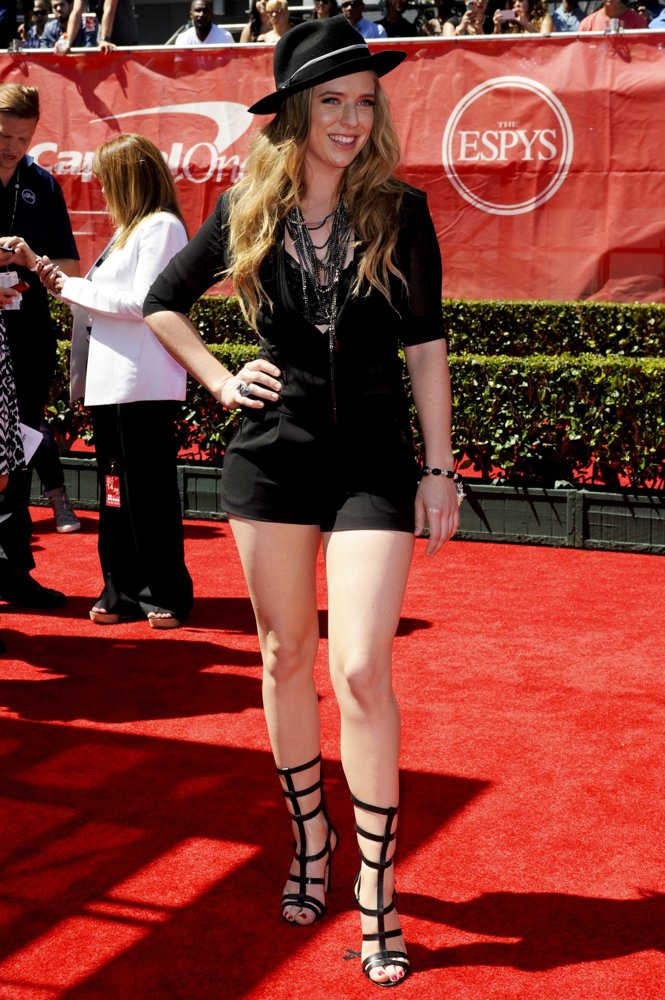
ZZ Ward
2014 ESPYS Awards - Arrivals
Jul 16, 2014

Esther Zynn
Nickelodeon's 2016 Kids' Choice Awards - Arrivals
Mar 12, 2016

Esther Zynn
Nickelodeon's 2016 Kids' Choice Awards - Arrivals
Mar 12, 2016



⭐Featured Celebrities