Maria de Lourdes Villiers "Mia" Farrow, known professionally as Mia Farrow, is an American actress and activist whose career has spanned over six decades, marked by iconic film roles, a highly publicized personal life, and dedicated humanitarian work. Born on February 9, 1945, in Los Angeles, California, she first captured the public's attention as Allison MacKenzie in the groundbreaking prime-time soap opera Peyton Place. Her brief marriage to legendary singer Frank Sinatra in the 1960s thrust her into the celebrity spotlight, but it was her chilling, tour-de-force performance as the titular character in Roman Polanski's psychological horror masterpiece Rosemary's Baby (1968) that cemented her status as a major Hollywood star. The role earned her nominations for a BAFTA Award and a Golden Globe Award for Best Actress, establishing her as one of the most compelling actresses of her generation.
Throughout the 1970s, Farrow demonstrated remarkable versatility, appearing in a diverse range of films including Follow Me! (1972), The Great Gatsby (1974), and Death on the Nile (1978). However, the most significant professional and personal chapter of her life began in 1980 when she started a long-term relationship with director Woody Allen. Over the next twelve years, she would become his most frequent muse, starring in thirteen of his films. Her performances in this period were critically acclaimed, earning her Golden Globe nominations for her roles in Broadway Danny Rose (1984), The Purple Rose of Cairo (1985), and Alice (1990). She also delivered memorable performances in celebrated Allen films such as Hannah and Her Sisters (1986), Crimes and Misdemeanors (1989), and Husbands and Wives (1992). This prolific and fruitful collaboration came to an abrupt and scandalous end in 1992 when Farrow publicly accused Allen of sexually abusing their adopted daughter, Dylan Farrow. While Allen was never charged with a crime and has consistently denied the allegation, the accusation permanently fractured their relationship and has remained a contentious and defining part of both of their public narratives.
Since the turn of the millennium, Farrow has maintained a selective presence in acting, taking on a recurring role in the television drama Third Watch (2001–2003) and appearing in supporting parts in films like The Omen (2006), Be Kind Rewind (2008), and Dark Horse (2011). She returned to the small screen in the Netflix psychological thriller series The Watcher (2022) and made a triumphant return to the New York stage in the play The Roommate (2025), a performance that earned her a Tony Award nomination for Best Actress in a Play. Beyond her acting, Farrow has built a formidable legacy as a global humanitarian. As a UNICEF Goodwill Ambassador, she has been a tireless advocate for children's rights and has been involved in numerous international relief efforts, particularly in conflict zones. In recognition of her activism, Time magazine named her one of the most influential people in the world in 2008. Her life and career, characterized by both artistic brilliance and profound personal trials, continue to make her a figure of enduring public fascination.
⭐
Similar Celebrities


📷
Recent Photos
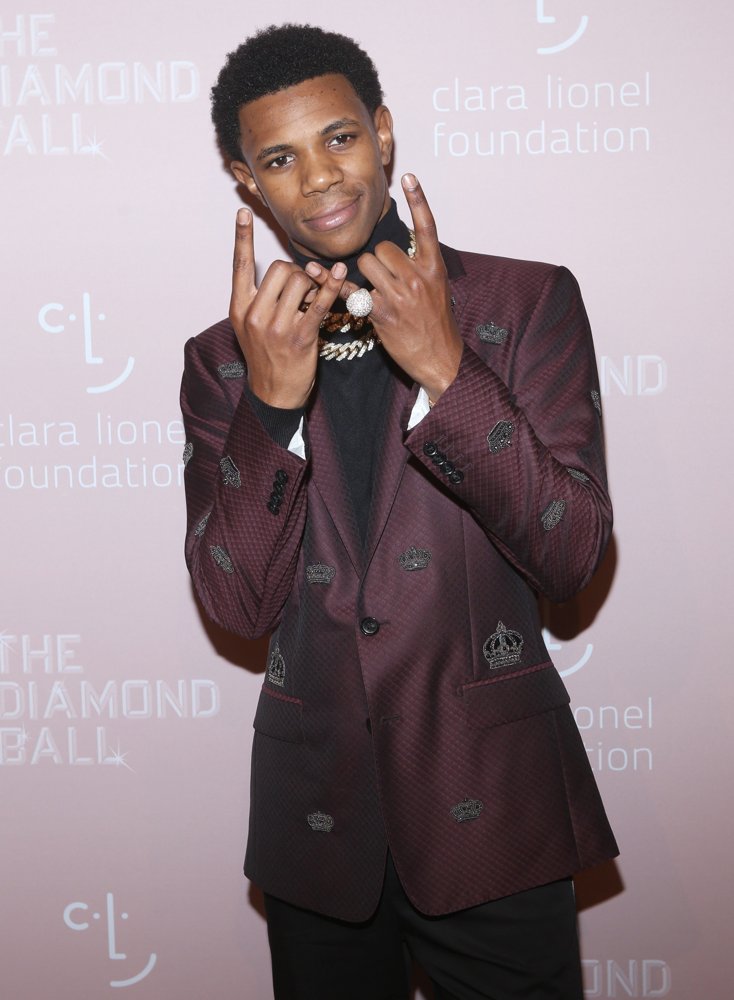
A Boogie Wit Da Hoodie
Rihanna's 4th Annual Diamond Ball
Sep 13, 2018

A Boogie Wit Da Hoodie
Lincoln Center Fashion Gala - An Evening Honoring Coach
Nov 29, 2018

A Boogie Wit Da Hoodie
STARZ Red Carpet Event for Power Final Season World Premiere
Aug 20, 2019

A Fine Frenzy
2014 Entertainment Weekly Pre-Emmy Party - Arrivals
Aug 23, 2014

A Fine Frenzy
2014 Entertainment Weekly Pre-Emmy Party - Arrivals
Aug 23, 2014
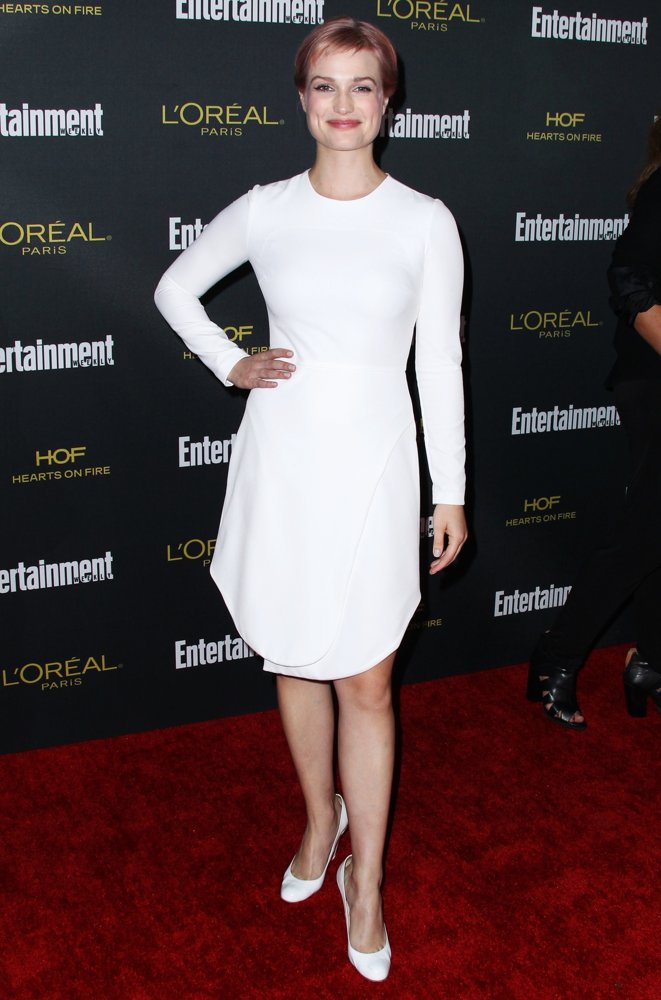
A Fine Frenzy
2014 Entertainment Weekly Pre-Emmy Party - Arrivals
Aug 23, 2014





⭐Featured Celebrities