Carol Elaine Channing, born on January 31, 1921, in Seattle, Washington, was a force of nature whose larger-than-life stage presence, distinctive gravelly voice, and irrepressible comic energy made her one of the most beloved figures in American musical theater. Over a career that spanned more than seven decades, she became synonymous with two of Broadway’s most iconic roles, leaving an indelible mark on the Great White Way and earning a place in the pantheon of theatrical legends. Her passing on January 15, 2019, just shy of her 98th birthday, closed a remarkable chapter in entertainment history, but her legacy as a pioneering comedic actress and singer continues to inspire performers to this day.
Channing’s path to stardom began in earnest when she originated the role of Lorelei Lee in the 1949 Broadway production of Gentlemen Prefer Blondes. Her portrayal of the gold-digging but ultimately endearing chorus girl, famously declaring that "diamonds are a girl’s best friend," captivated audiences and critics alike, establishing her as a singular talent. However, it was her creation of the title character in Hello, Dolly! in 1964 that cemented her immortality in the theatrical canon. For her performance as the matchmaking widow Dolly Gallagher Levi, Channing won the Tony Award for Best Actress in a Musical, and she would go on to revive the role numerous times, including a final Broadway run in 1995 that demonstrated her enduring vitality. Her ability to infuse each character with a fervent expressiveness and unmistakable vocal quality made her performances unforgettable, and she earned additional Tony nominations for The Vamp in 1956, Show Girl in 1961, and Lorelei in 1974.
Beyond the stage, Channing showcased her versatility as a film actress. Her most notable screen performance came as the worldly Muzzy in the 1967 musical comedy Thoroughly Modern Millie, a role that earned her a Golden Globe Award and an Academy Award nomination for Best Supporting Actress. She also appeared in The First Traveling Saleslady (1956) and the psychedelic comedy Skidoo (1968). On television, she was a frequent and welcome presence on variety shows, and she delivered a memorable performance as The White Queen in the 1985 TV production of Alice in Wonderland. Her first television special, An Evening with Carol Channing, aired in 1966, and she continued to make appearances on the small screen for decades.
Throughout her later years, Channing remained a tireless performer, touring the country with cabaret-style shows well into her 90s, singing songs from her repertoire and sharing anecdotes with adoring fans. She was among the legendary figures interviewed for the acclaimed documentary Broadway: The Golden Age, by the Legends Who Were There, and her life was the subject of the 2012 documentary Larger Than Life. In 2002, she published her autobiography, "Just Lucky I Guess," offering an intimate look at her extraordinary journey. Her numerous accolades include induction into the American Theater Hall of Fame in 1981 and a Lifetime Achievement Tony Award in 1995, honors that recognized not only her immense talent but also her profound influence on American entertainment. Carol Channing’s joyful, unapologetic artistry and her unwavering dedication to her craft ensured that her memory would shine as brightly as the sequins she famously wore.
⭐
Similar Celebrities
📷
Recent Photos
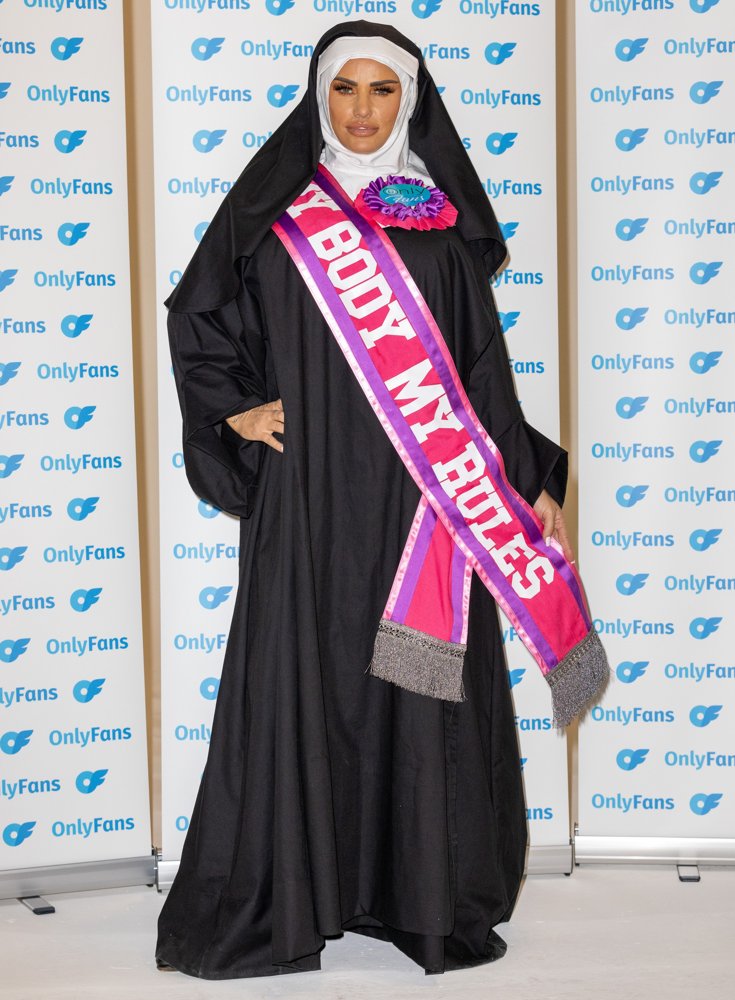
Katie Price
Katie Price Launches Only Fans Channel - Photocall
Jan 26, 2022
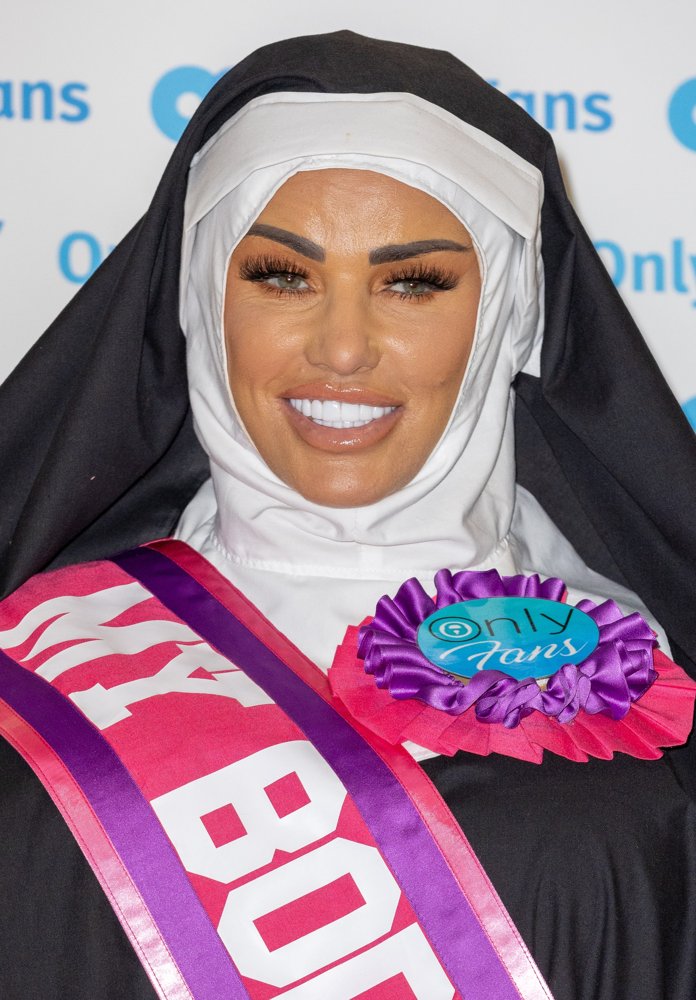
Katie Price
Katie Price Launches Only Fans Channel - Photocall
Jan 26, 2022
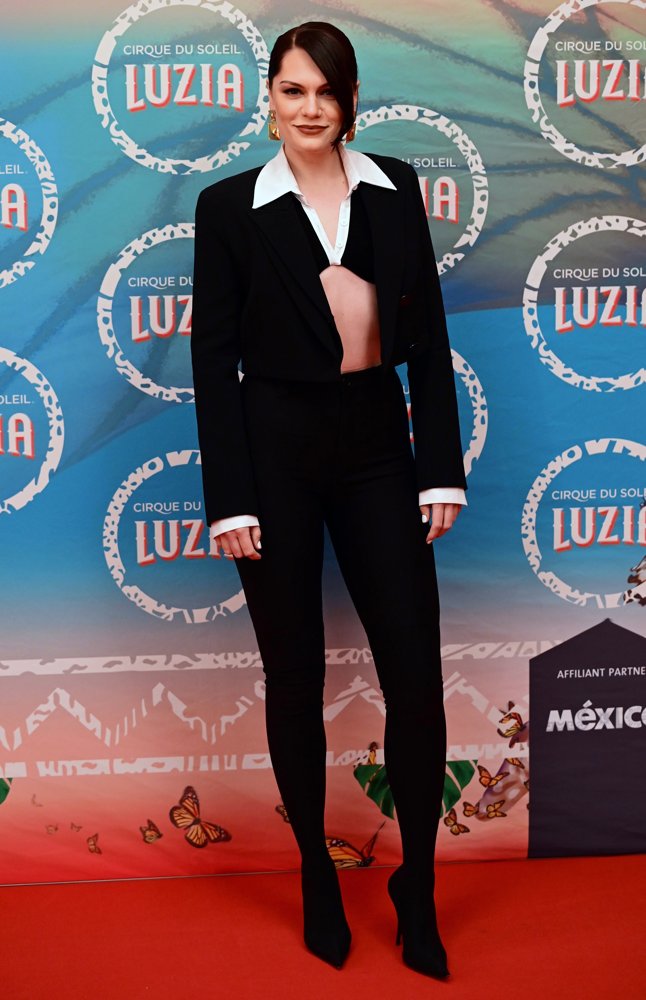
Jessie J
The Premiere of Cirque Du Soleil Luzia
Jan 13, 2022
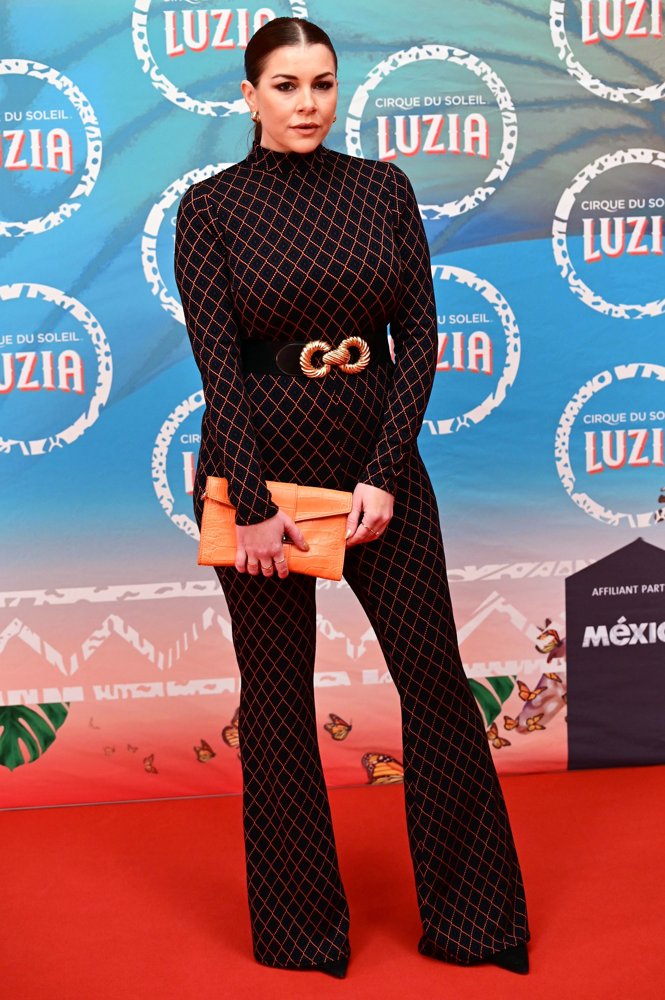
Imogen Thomas
The Premiere of Cirque Du Soleil Luzia
Jan 13, 2022
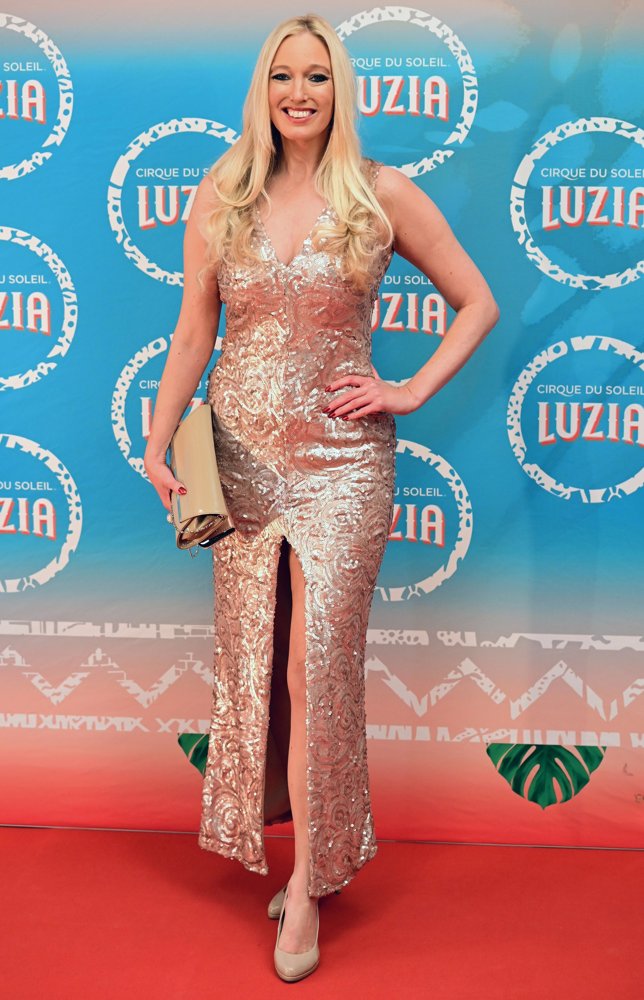
Hayley Palmer
The Premiere of Cirque Du Soleil Luzia
Jan 13, 2022
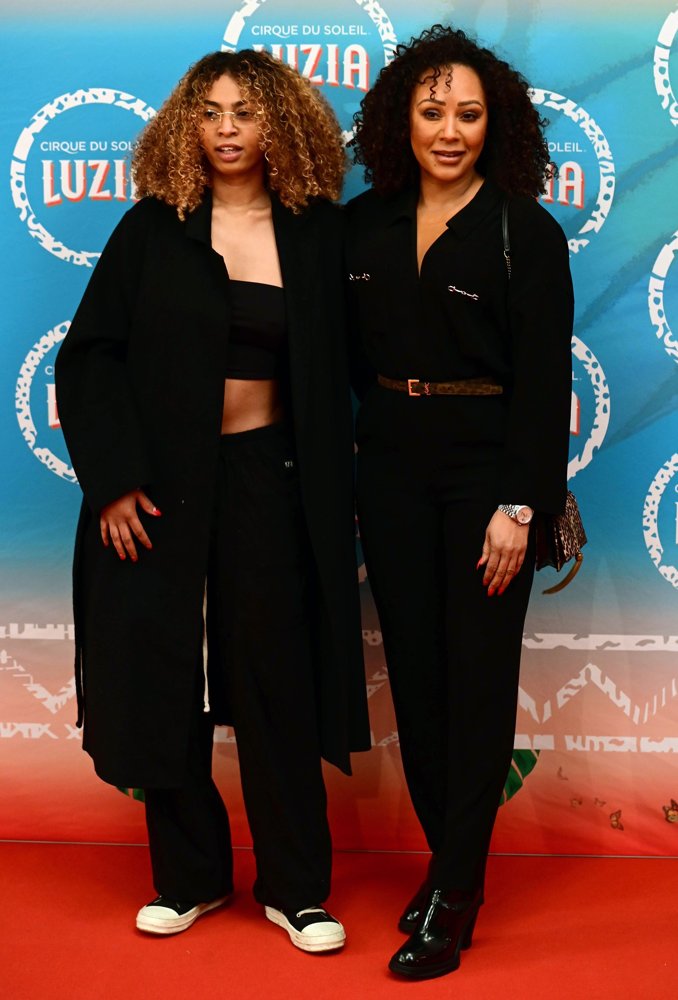
Phoenix Chi Gulzar
The Premiere of Cirque Du Soleil Luzia
Jan 13, 2022




⭐Featured Celebrities