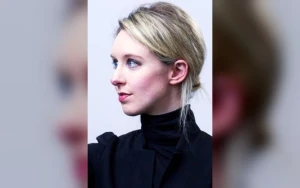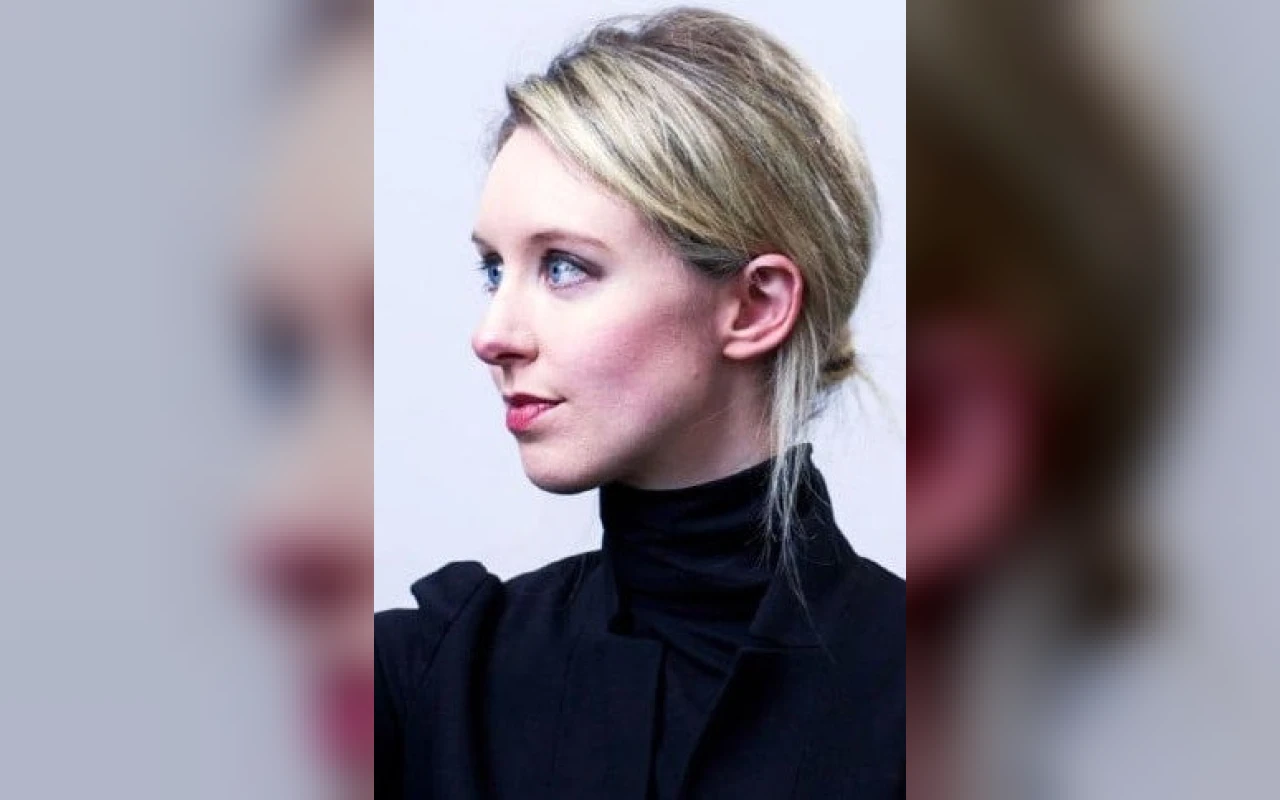
Elizabeth Holmes and the cultural debate over female agency: how society explains controversial women by looking for male control.
- November 4, 2026
AceShowbiz - Elizabeth Holmes has recently become the focal point of a deeper cultural conversation about female agency and the narratives we build around powerful women who defy expectations. Her portrayal in the documentary You Can See Everything reveals a complex dynamic between her and her fiancé, sparking renewed debate about how society interprets women’s autonomy, especially when they face public scrutiny.
The documentary shows Holmes engaging in carefully controlled behaviors, with her fiancé, Billy Evans, appearing to influence many aspects of her life—from financial decisions to even mundane tasks like how she cracks eggs. Yet Evans himself dismisses the notion that he controls Holmes, emphasizing her independence and strong will. This tension exposes a persistent cultural impulse: when a woman acts controversially or steps outside traditional roles, observers often seek to explain her actions by attributing control to a male partner, rather than acknowledging her full agency.
This theme resonates beyond Holmes’s story, notably in the political realm with Democratic Congresswoman Haley Stevens. Stevens recently reversed her endorsement in a high-profile Senate race, choosing to support a Republican candidate over a Democrat she once backed. Much of the backlash Stevens faced centered on claims that her fiancé, a politically influential fundraiser, manipulated her decisions. Former campaign staffers described him as a toxic presence, reportedly impacting Stevens’s campaign strategy and emotional well-being.
However, framing either Holmes or Stevens as mere puppets for the men in their lives oversimplifies their narratives and undermines their autonomy. Holmes’s criminal missteps and Stevens’s political reversal are complex decisions made within intricate personal and professional contexts, not simply the results of domination by a male partner. This reductive view perpetuates a limiting stereotype that women cannot fully own their choices, especially when those choices disrupt societal expectations.
In the broader cultural conversation, these cases highlight how female agency is often constrained by the narratives imposed on women in the public eye. Even women who hold positions of power and influence are subjected to doubt about their independence when their actions are controversial or unpopular. Stevens herself articulated this frustration, emphasizing that a woman can be a seasoned politician and still be unfairly accused of being controlled when she makes decisions that challenge others.
The stories of Elizabeth Holmes and Stevens invite a critical reassessment of how society interprets female power and responsibility. They demand recognition that women’s choices—whether in business, politics, or personal life—deserve respect and scrutiny on their own terms, rather than through the lens of presumed male influence. Ultimately, these narratives expose the ongoing struggle for genuine acknowledgement of women’s full agency in every sphere they navigate.
This article is based on reporting originally published by Vogue.