Sir Alfred Joseph Hitchcock, known to the world as the "Master of Suspense," was one of the most influential and celebrated filmmakers in the history of cinema, whose career spanned six decades and produced over fifty feature films that continue to be studied and admired. Born in Leytonstone, England on 13 August 1899, Hitchcock initially trained as a technical clerk and copywriter before entering the film industry in 1919 as a title card designer. His directorial debut came with the British-German silent film The Pleasure Garden in 1926, but it was his first successful film, The Lodger: A Story of the London Fog (1927), that helped shape the thriller genre. He made history with Blackmail (1929), the first British "talkie," and his thrillers The 39 Steps (1935) and The Lady Vanishes (1938) are ranked among the greatest British films of the 20th century.
By 1939, Hitchcock had earned international recognition, and producer David O. Selznick persuaded him to move to Hollywood. There, he embarked on a string of successful films, including Rebecca (1940), which won the Academy Award for Best Picture and earned Hitchcock his first nomination for Best Director. He continued to deliver critical and commercial successes with Foreign Correspondent (1940), Suspicion (1941), Shadow of a Doubt (1943), and Notorious (1946). He received further Oscar nominations for Lifeboat (1944), Spellbound (1945), Rear Window (1954), and Psycho (1960), though he never won the award for Best Director despite five nominations. His films garnered a total of 46 Academy Award nominations, including six wins.
Hitchcock's other notable films include Rope (1948), Strangers on a Train (1951), Dial M for Murder (1954), To Catch a Thief (1955), The Trouble with Harry (1955), Vertigo (1958), North by Northwest (1959), The Birds (1963), Marnie (1964), and Frenzy (1972). He collaborated with some of the biggest stars in Hollywood, including four films with Cary Grant, four with James Stewart, three with Ingrid Bergman, and three consecutive films with Grace Kelly. Hitchcock became an American citizen in 1955, and his distinctive persona was further cemented by his cameo appearances in most of his films and his role as host and producer of the television anthology Alfred Hitchcock Presents (1955–65).
In 2012, Hitchcock's psychological thriller Vertigo displaced Orson Welles' Citizen Kane as the British Film Institute's greatest film ever made based on a worldwide poll of critics. As of 2021, nine of his films have been selected for preservation in the United States National Film Registry, including his personal favorite, Shadow of a Doubt (1943). He received the BAFTA Fellowship in 1971 and the AFI Life Achievement Award in 1979. That same year, he was knighted by Queen Elizabeth II, just four months before his death on 29 April 1980. Hitchcock's legacy as a master of psychological suspense and innovative filmmaking remains unparalleled, with his work continuing to inspire generations of filmmakers and audiences worldwide.
⭐
Similar Celebrities
📷
Recent Photos

Ana de Armas
Blade Runner 2049 Madrid Photocall
Sep 19, 2017
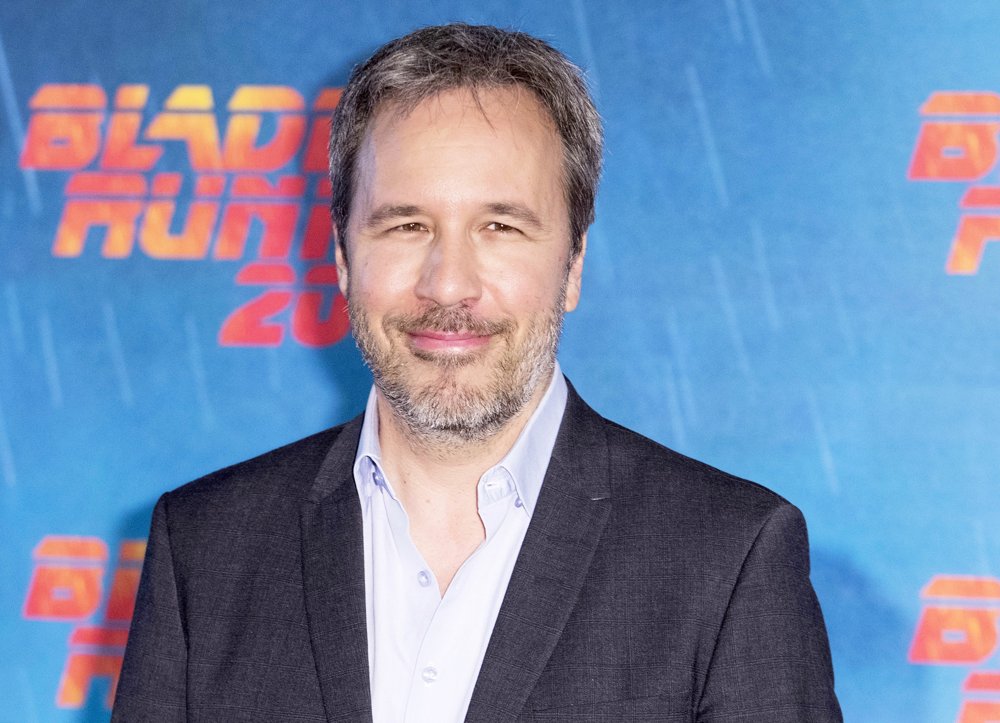
Denis Villeneuve
Blade Runner 2049 Rome Photocall
Sep 19, 2017
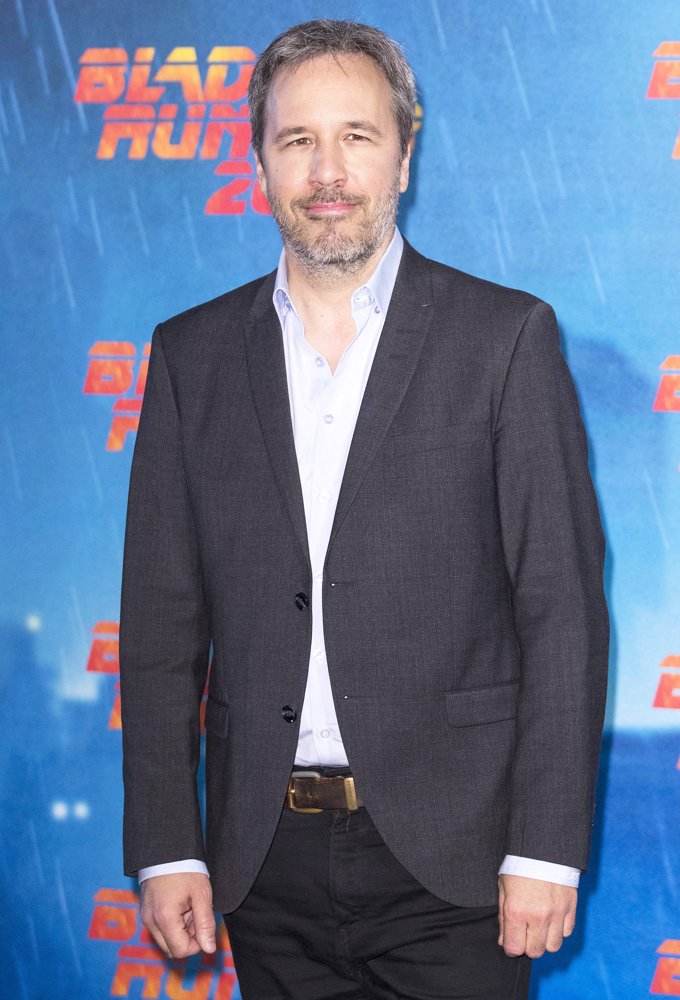
Denis Villeneuve
Blade Runner 2049 Rome Photocall
Sep 19, 2017
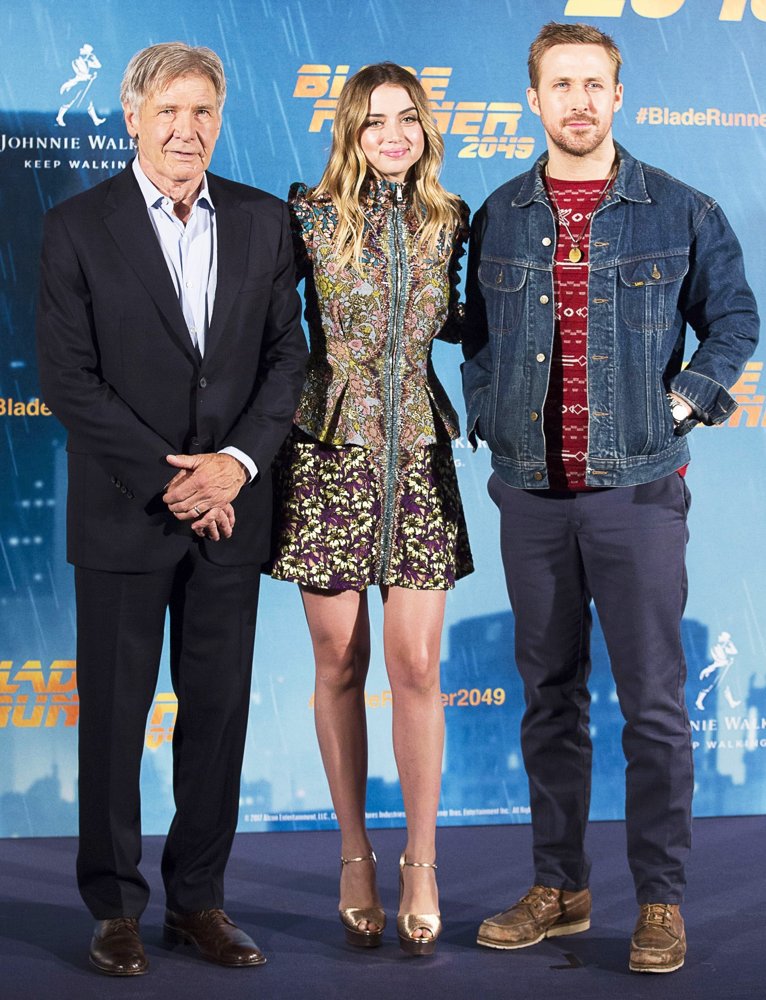
Harrison Ford
Blade Runner 2049 Madrid Photocall
Sep 19, 2017
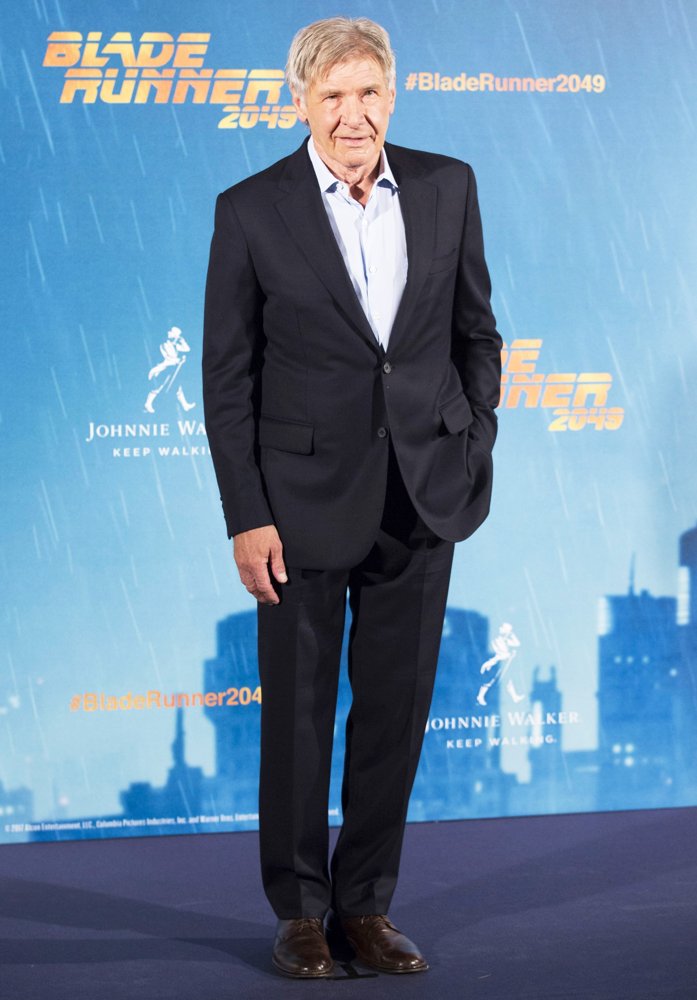
Harrison Ford
Blade Runner 2049 Madrid Photocall
Sep 19, 2017
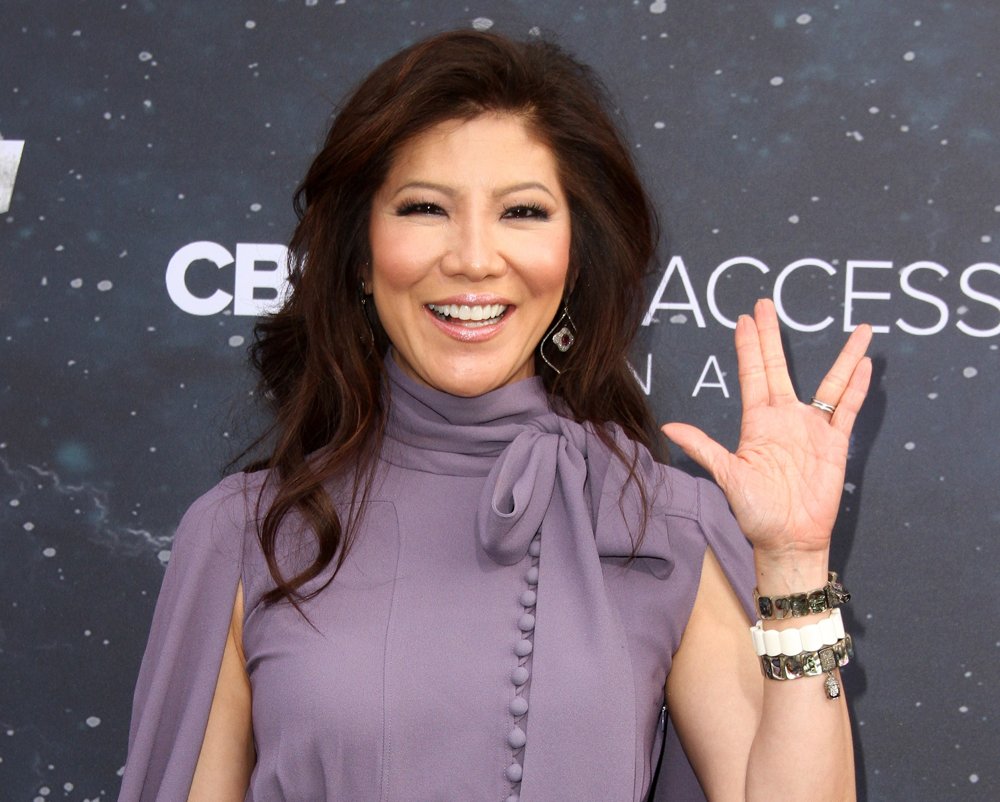
Julie Chen
Star Trek: Discovery Premiere - Arrivals
Sep 19, 2017

⭐Featured Celebrities