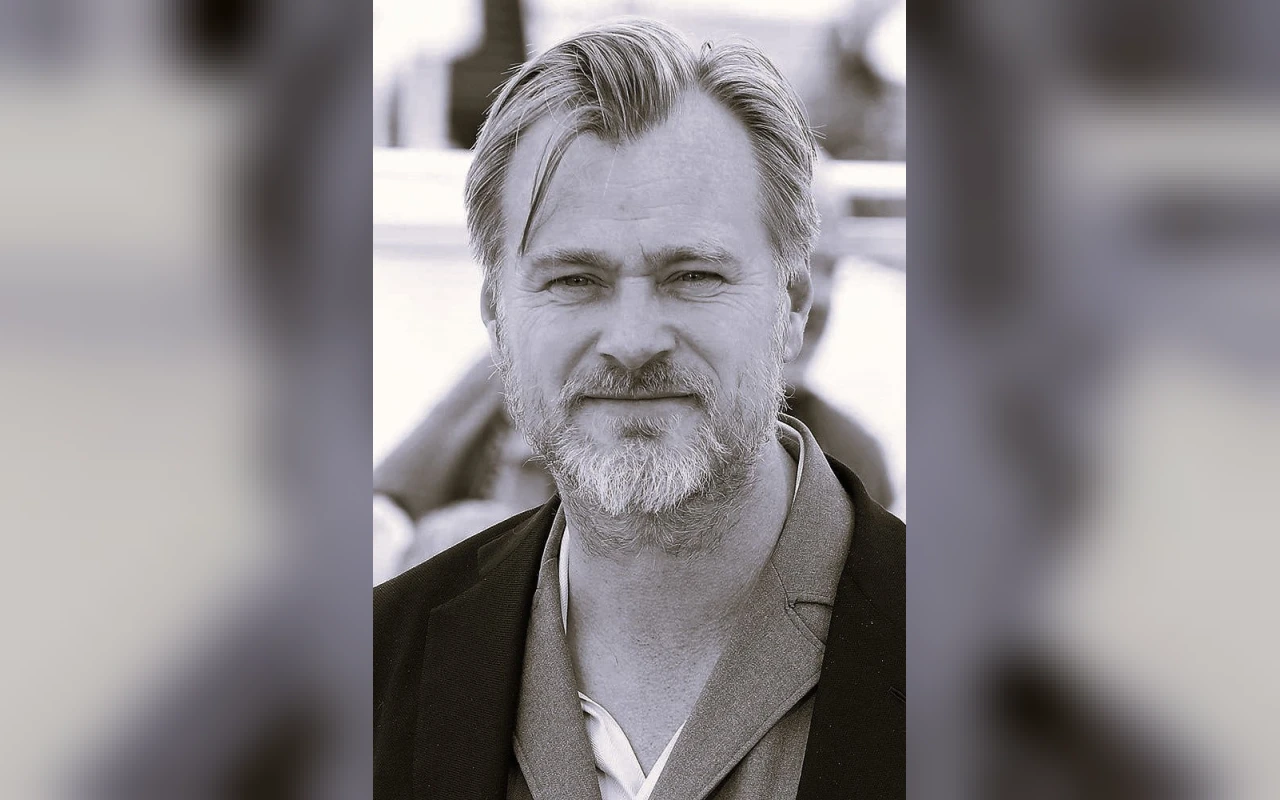
Christopher Nolan has directed a film adaptation of The Odyssey that significantly departs from Homer's original epic poem, presenting Odysseus not as the cunning trickster of legend but as a guilt-ridden hero haunted by PTSD flashbacks fro
- July 17, 2026
AceShowbiz - Christopher Nolan has directed a film adaptation of The Odyssey that significantly departs from Homer's original epic poem, presenting Odysseus not as the cunning trickster of legend but as a guilt-ridden hero haunted by PTSD flashbacks from the fall of Troy.
The film strips away several traditional elements of the ancient story, removing the Phaeacians and the narrative device of Odysseus recounting his journey. Instead, Nolan introduces new characters such as Sinon from Virgil’s Aeneid, weaving him into the plot as Antinous's brother, a relationship absent from the original. Key mythical encounters—including those with Calypso, the Cyclops Polyphemus, and Circe—are reimagined with modern sensibilities. Calypso is portrayed sympathetically, offering Odysseus lotus flowers to soothe his trauma rather than detaining him for years. The Cyclops episode abandons the famous 'Nobody' trick, and Circe is depicted as an earthy sorceress exposing human greed rather than a seductive enchantress.
These narrative changes support a broader thematic shift, with the film embedding contemporary anxieties such as fear of sea invasions, immigration tensions, and the collapse of empires—elements not explored in the original poem. One striking new angle is the Sirens revealing Odysseus’s secret desire not to return home, adding psychological complexity to his character. The film’s structure employs multiple storylines and flashbacks, including direct depictions of the Trojan War and its aftermath, rather than relying on secondhand accounts as in Homer’s text. The brutal aftermath faced by slave girls is toned down, showing only one punished handmaid whose fate is decided by Penelope, contrasting with the original’s harsher treatment.
Christopher Nolan, who also penned the screenplay, is known for his innovative storytelling and visual mastery, previously earning acclaim for blockbusters filmed entirely on IMAX and for blending practical effects with sweeping narratives. His reinterpretation of The Odyssey follows his pattern of challenging epic storytelling conventions. The film stars Matt Damon as Odysseus, delivering a portrayal focused on internal conflict and the psychological toll of war. Notable performances by Anne Hathaway, Tom Holland, Robert Pattinson, and John Leguizamo complement the production, which features Ludwig Göransson’s musical score and a mix of modern dialogue that aims to make the ancient story more accessible, though it may divide audiences.
This reimagined Odyssey matters because it transforms a foundational myth into a meditation on trauma, leadership, and the human cost of conflict, resonating with current global uncertainties. By removing divine machinations and emphasizing Odysseus’s vulnerability, Nolan invites viewers to see the hero as a flawed man navigating a collapsing world, making the ancient epic relevant to modern sensibilities and inviting fresh engagement with a centuries-old tale.