Yella Beezy's murder trial intensifies as a judge weighs whether his rap lyrics can be used as evidence, sparking debate over artistic expression vs. crimina...
- July 18, 2026
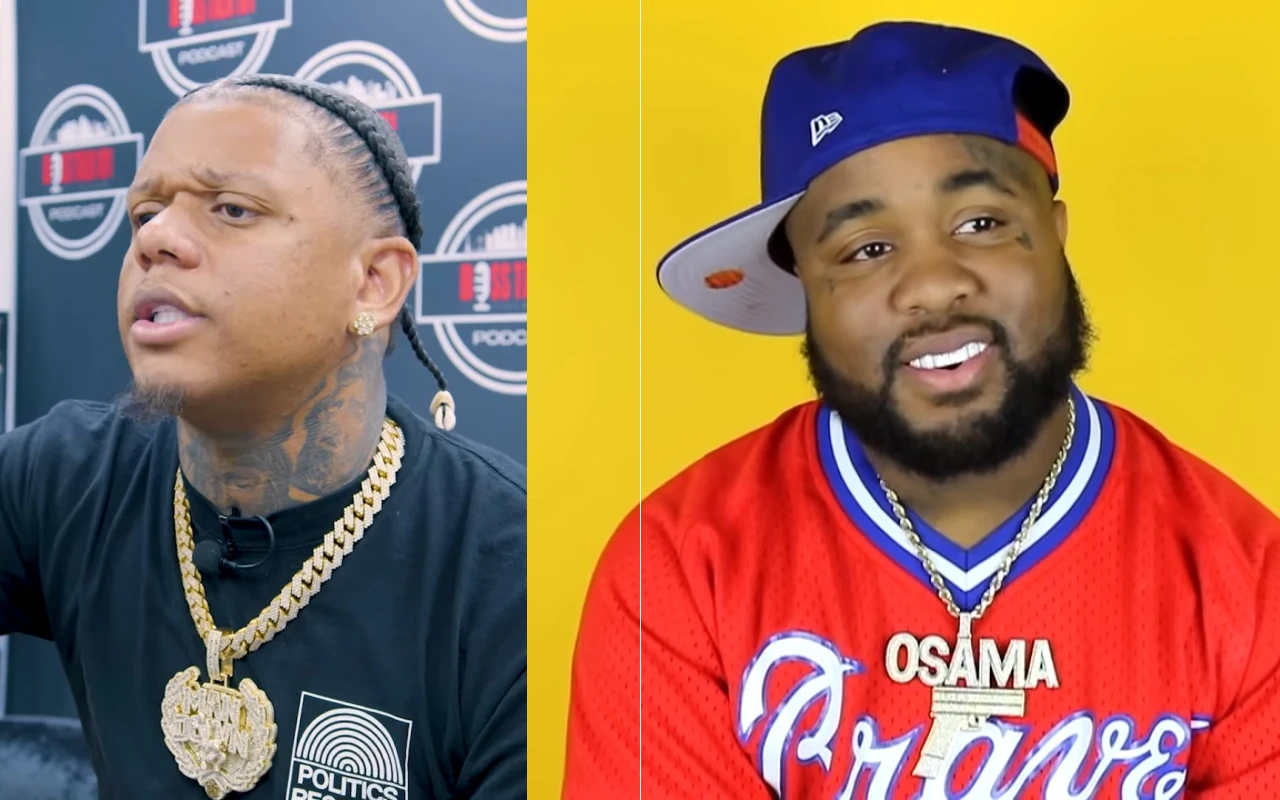
AceShowbiz - The courtroom battle over whether to use rap lyrics as evidence is heating up ahead of the upcoming murder trial involving Yella Beezy. The Texas rapper appeared in a Dallas court on July 17 for a pre-trial hearing where a judge considered arguments about the admissibility of his song lyrics in connection to the 2020 killing of fellow rapper Mo3.
Yella Beezy’s defense team called upon Dr. Erik Nielson, a University of Richmond professor who specializes in the legal implications of rap lyrics in criminal cases. Dr. Nielson explained that rappers often create exaggerated personas for entertainment that blur the line between fiction and reality. He cautioned that jurors might interpret rap lyrics more literally than lyrics from other music genres, such as country, which could lead to unfair bias against the defendant.
According to Dr. Nielson, this misinterpretation could cause juries to perceive lyrics as direct confessions, which may result in wrongful convictions. His testimony aimed to highlight why rap music should be treated differently than other forms of artistic expression when considered as legal evidence.
On the other side, prosecutors insist that the case against Yella Beezy is built on a substantial amount of evidence beyond his music. This includes witness statements, physical evidence, intercepted communications, and social media activity, all of which they argue support the charges against him.
Yella Beezy faces capital murder charges and allegations that he orchestrated the murder of Mo3 as part of an ongoing feud between the two artists. The trial is slated to begin on August 24, with the judge’s ruling on the lyrics’ admissibility expected to play a significant role in the upcoming proceedings.
Following the hearing, the court will decide whether the rapper’s lyrics can be introduced as evidence during the trial. This case highlights the broader legal debate about the role that artistic expression, especially in rap music, should play in criminal justice.
This article is based on reporting originally published by Xxlmag.