Your fish gasping at the top isn't normal. Discover the 5 real reasons, from low oxygen to toxins, plus exactly what to do right now to save them.
- July 13, 2026
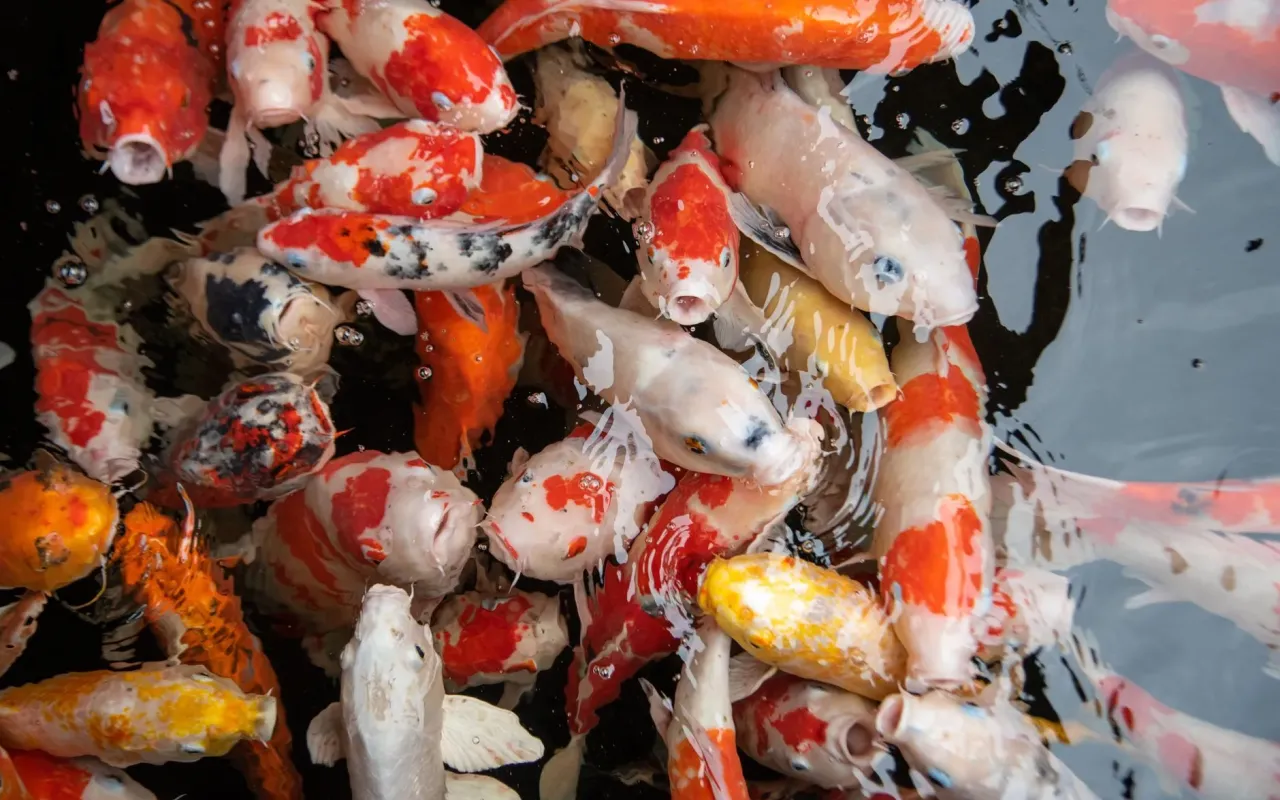
AceShowbiz - You walk past the tank, and there they are—your usually serene fish, hovering at the surface, mouths opening and closing like they're trying to breathe air. It's unsettling, and honestly, a little alarming. You might think they're just hungry or being dramatic, but this behavior is a distress signal. In my years of keeping everything from bettas to community tetras, I've learned that surface gasping is the fish equivalent of a red flashing warning light. It's not a quirk; it's a cry for help. And the clock is ticking—if you don't figure out why within a few hours, you could lose them.
Here's the raw truth: fish gasp at the surface because they can't get enough oxygen from the water. But "low oxygen" is rarely the root cause—it's usually a symptom of something else going wrong in your aquarium. The good news is that most causes are fixable, and you don't need a marine biology degree to sort it out. Let's walk through the five most common reasons, starting with the most urgent one that could kill your fish by morning.
1. The Oxygen Crisis: When Your Tank Can't Breathe
The most obvious reason your fish are gasping is a lack of dissolved oxygen in the water. Think of your aquarium like a sealed room—if no fresh air gets in, everyone inside starts suffocating. Fish extract oxygen from water through their gills, and when levels drop below 4-5 mg/L, they'll instinctively swim to the surface where oxygen concentration is slightly higher due to diffusion from the air. I once had a client who panicked when her entire school of neon tetras started gasping after she added a new decorative rock—turns out, the rock was actually a piece of porous limestone that released sediment, clouding the water and reducing surface agitation.
So what causes low oxygen? The biggest culprit is poor water circulation. If your filter isn't creating enough surface movement—that gentle ripple you see on top—oxygen exchange slows to a crawl. Another common cause is high water temperature. Warm water holds less dissolved oxygen than cool water. For every 5°F increase above 75°F, oxygen levels drop by about 10%. If your heater is cranked to 82°F and your tank is overcrowded, you're basically asking your fish to live in a low-oxygen soup. A quick fix is to point your filter output toward the surface to create more ripples, or add an air stone or sponge filter. But don't stop there—this is a symptom, not the disease.
Actionable tip: Do the "20-minute test." Turn off your filter for 20 minutes and watch your fish. If they immediately start gasping more, you've got a circulation problem. Turn it back on immediately and increase surface agitation by lowering the water level slightly or adding a powerhead.
2. Ammonia Poisoning: The Silent Killer
If oxygen isn't the issue, the next suspect is ammonia poisoning. This is the number one cause of mysterious fish deaths in home aquariums, and it's terrifyingly common. Ammonia is a waste product from fish urine, decaying food, and rotting plants. In a healthy, cycled tank, beneficial bacteria convert ammonia into nitrite and then into less harmful nitrate. But if that cycle is broken—like after a filter change, a power outage, or overfeeding—ammonia spikes. Fish exposed to levels above 0.25 ppm will start gasping because ammonia damages their gill tissue, making it physically harder to extract oxygen. It's like trying to breathe through a straw filled with sand.
I remember a friend who added six new fish to a 20-gallon tank without quarantining them first. Within 48 hours, all of them were at the surface, mouths wide open. He thought it was a disease, but a simple API liquid test kit showed ammonia at 2.0 ppm—eight times the safe level. The new fish had added too much bioload for the existing bacteria to handle. The fix? Immediate 50% water change with dechlorinated water, followed by daily 25% changes until levels dropped. He also stopped feeding for three days to reduce waste. Within a week, the fish were swimming normally again.
Actionable tip: Buy a liquid test kit (not strips—they're inaccurate) and test for ammonia, nitrite, and nitrate immediately. If ammonia is above 0 ppm, do a 50% water change right now, then add a bacterial supplement like Seachem Stability to jumpstart the cycle. And never, ever clean your filter with tap water—rinse it in old tank water instead.
3. Gill Damage: When the Breathing Organs Are Broken
Sometimes the water is fine, but the fish's gills are damaged. This is like having perfectly clean air but a punctured lung—you still can't breathe. Gill damage can come from several sources, and it's often mistaken for a disease. One common cause is chlorine or chloramine from tap water that wasn't properly dechlorinated. Even a small amount—0.1 ppm—can burn the delicate gill tissue, causing inflammation and gasping. I once had a customer who did a 30% water change with tap water that she'd let sit out for 24 hours, thinking it was safe. It wasn't. Within an hour, her angelfish were gasping. Chlorine doesn't evaporate completely in 24 hours, and chloramine doesn't evaporate at all without a dechlorinator.
Another culprit is physical trauma. If your fish have been chasing each other, or if you have an aggressive tank mate that nips at gills, the resulting damage can cause gasping. I've seen this with tiger barbs terrorizing slow-moving gouramis. The gouramis would hide near the surface, gasping, because their gills were literally torn. Treatment involves removing the aggressor and adding aquarium salt (at 1 tablespoon per 5 gallons) to help reduce osmotic stress and promote healing. But don't use salt with scaleless fish like loaches or catfish—it can burn them.
Actionable tip: Check your fish's gills for redness, swelling, or ragged edges. If they look irritated, test your tap water for chlorine and chloramine even if you use a conditioner. Some conditioners don't neutralize chloramine properly. Switch to a product like Seachem Prime that explicitly binds both.
4. Overcrowding and Bioload: Too Many Fish in a Small Pond
Let's talk about the elephant in the room—or rather, the 15 fish in a 10-gallon tank. Overcrowding is a slow-burn crisis that creeps up on you. Most beginner guides say "one inch of fish per gallon," but that's a rough guideline that doesn't account for fish size, waste production, or activity level. A single 4-inch goldfish produces as much waste as ten 1-inch tetras. If you've got a tank that's packed to the gills (pun intended), the biological filter can't keep up, and oxygen demand skyrockets. Every fish is competing for the same limited oxygen supply.
I once helped a family who had a 15-gallon tank with two fancy goldfish, three mollies, and a pleco. The goldfish alone needed at least 20 gallons for the first fish and 10 gallons for each additional one. The pleco was producing a massive bioload from its constant grazing. The fish were gasping at the surface every evening, especially after feeding. The fix wasn't a water change—it was rehoming the goldfish and pleco to a 55-gallon tank. Within a week, the remaining mollies were swimming normally. The moral? Sometimes the kindest thing you can do is admit your tank is too small.
Actionable tip: Calculate your tank's actual bioload using a stocking calculator like AqAdvisor. If you're over 80% capacity, consider rehoming some fish or upgrading your tank. A good rule of thumb: for every 10 gallons of water, you can safely keep 2-3 small fish (like tetras or guppies) or one medium fish (like a dwarf gourami). Goldfish and plecos need much more space.
5. Water Quality Crash: pH, Temperature, and Dissolved Solids
Even if oxygen and ammonia seem fine, other water parameters can cause gasping. A sudden pH drop below 6.0 or a spike above 8.5 can stress fish, causing them to gulp air. This is common in tanks with lots of driftwood (which releases tannins and lowers pH) or in tanks with crushed coral substrates (which raise pH). Temperature swings are another culprit. If your heater fails and the water drops from 78°F to 68°F overnight, fish metabolism slows, but their gill function is impaired, leading to gasping. I've seen this happen after a winter power outage—the heater stopped, and within 12 hours, the fish were in distress.
Dissolved solids like nitrates, phosphates, and even excess medications can also cause gasping. Nitrates above 40 ppm are toxic over time, and they interfere with oxygen uptake in the gills. If you've been treating for a disease with medications like copper or formalin, those chemicals can damage gill tissue if overdosed. I once had a client who treated ich with a copper-based medication at double the recommended dose. Her fish stopped gasping from ich but started gasping from copper poisoning. The fix was a series of large water changes and activated carbon filtration to remove the medication.
Actionable tip: Test your pH, temperature, and nitrate levels weekly. Keep pH stable within your fish's preferred range (most community fish like 6.5-7.5), and maintain temperature within 2°F of your target. If you use medications, follow the dosage exactly and do a 25% water change after the treatment period ends. Add activated carbon to your filter for 48 hours to remove residual chemicals.
What to Do Right Now: A 30-Minute Emergency Plan
You don't have time to read a book—your fish need help now. Here's a step-by-step plan that takes 30 minutes and can save their lives. First, do a 30% water change using dechlorinated water that's the same temperature as the tank. This dilutes any toxins and adds fresh oxygen. Second, increase surface agitation immediately—point your filter output up, add an air stone, or use a battery-powered aerator if your power is out. Third, test for ammonia and nitrite using a liquid kit. If levels are above 0 ppm, add a product like Seachem Prime that detoxifies ammonia for 24-48 hours while you fix the cycle.
Fourth, check your temperature and adjust your heater to 76-78°F for most tropical fish. If it's too hot, float bags of ice in the tank to cool it down slowly—no more than 2°F per hour. Fifth, stop feeding for 24-48 hours. Fish can go days without food, and uneaten food only adds to the waste load. Finally, observe your fish for 30 minutes after these changes. If they're still gasping after 2 hours, you may have a more serious issue like gill parasites or bacterial infection, which requires a vet or specialized medication. But in my experience, 80% of gasping cases resolve with these emergency steps.
Remember, your fish aren't being dramatic—they're telling you something is wrong. Listen to them. With quick action and a methodical approach, you can usually fix the problem and have your tank back to normal within 24 hours. And once they're swimming happily again, take a moment to appreciate how resilient these little creatures are—and how much they depend on you to keep their world in balance.