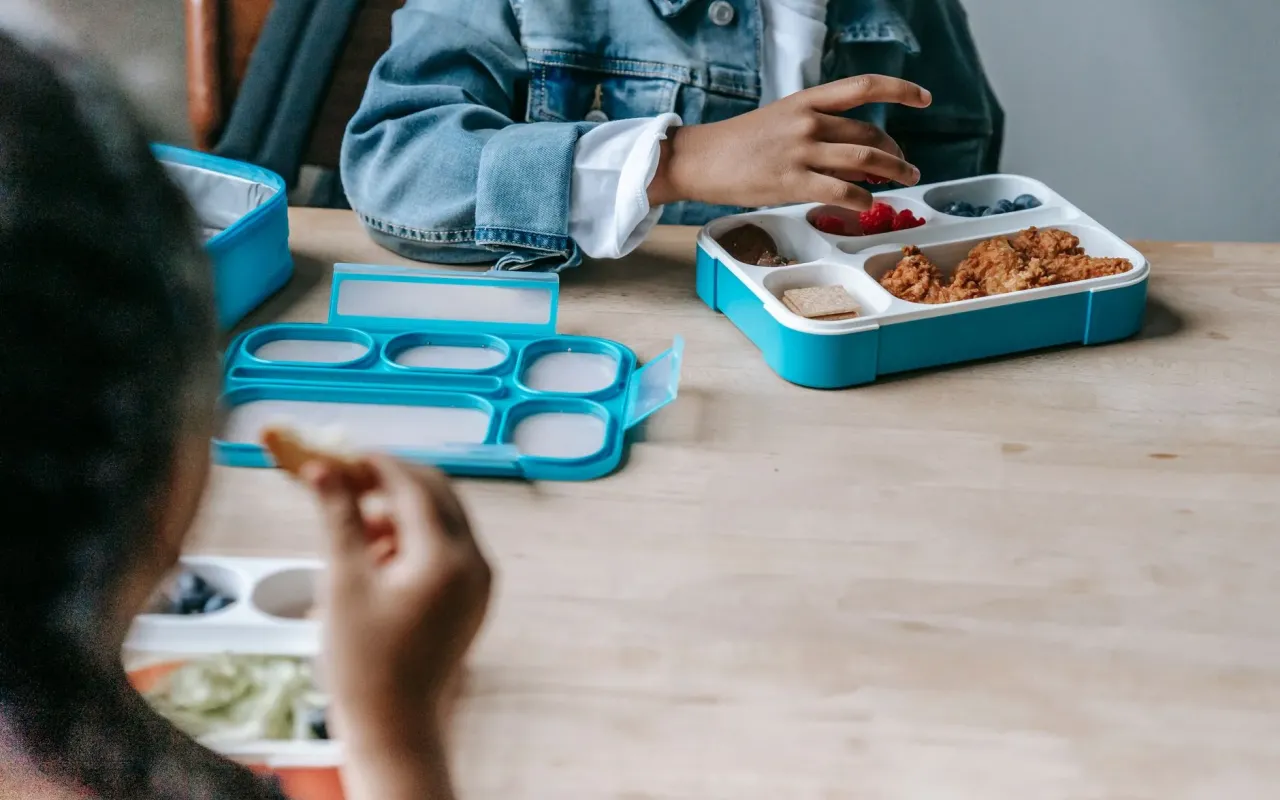
Ditch the cafeteria struggle with 15+ healthy school lunch ideas that are fast, kid-approved, and won't come home uneaten. Real advice from a parent who's been there.
- July 11, 2026
Why Your Current Lunch Strategy Is Failing (And How to Fix It)
You know that feeling: you open your kid's lunchbox after school, and there it is—a half-eaten sandwich, untouched apple slices, and a yogurt tube that somehow exploded everywhere. You spent 20 minutes packing that thing, and now you're staring at a science experiment. I've been there, and it's frustrating.
Here's the hard truth: kids are fickle eaters, but they're also predictable. Research from the University of Minnesota found that children are more likely to eat lunch if they have a say in what's packed. The problem isn't your cooking—it's the disconnect between what you think they want and what they actually crave at 12:30 PM when the playground energy is fading.
The fix isn't complicated, but it does require a mindset shift. You're not a short-order cook; you're a strategist. Let's break down how to pack lunches that actually get eaten, without losing your mind or your budget.
The Three-Bite Rule: Rethink Your Lunchbox Math
Most parents overpack. We load up lunchboxes with five or six items, hoping something sticks. But kids' stomachs are small—roughly the size of their fist—and their attention spans are even smaller. A 2019 study in the Journal of Nutrition Education and Behavior found that kids waste an average of 30% of their packed lunch, mostly because there's too much food.
Instead of the traditional "main dish, side, fruit, veggie, treat" approach, try the three-bite rule. Pack three components: a protein source, a carb source, and a fruit or vegetable. That's it. For example, a thermos of mac and cheese (protein and carb), a clementine (fruit), and a small bag of baby carrots (veggie). Three items, zero overwhelm.
The actionable takeaway here is to audit your current lunchbox. If your kid is regularly bringing home half-eaten food, you're probably packing too much. Cut back to three items for a week and see if consumption goes up. My daughter went from eating 40% of her lunch to 85% when I stopped including that fourth random snack.
What About Variety? Keep a Rotation, Not a Menu
You don't need 50 different lunch ideas. You need five core lunches that work, and you rotate them. Think of it like your own meal prep: Monday is sandwich day, Tuesday is leftovers, Wednesday is bento box, Thursday is thermos meal, Friday is "clean out the fridge" day. Kids actually thrive on predictability—it reduces decision fatigue.
Write down your five go-to lunches and stick them on the fridge. When you're tired or running late, you don't have to think. You just grab from the list. For us, the rotation looks like: ham and cheese roll-ups, leftover pasta, turkey and avocado wrap, cheese quesadilla, and "snack lunch" (hard-boiled egg, crackers, cheese stick, apple slices).
Thermos Meals: The Secret Weapon You're Not Using
If you're still packing cold sandwiches every single day, you're missing out on a game-changer. A good thermos opens up a whole world of lunches that kids actually get excited about. Think about it: warm soup, leftover stir-fry, mac and cheese that's still gooey at noon, or even warm pancakes cut into strips.
The trick is preheating the thermos. Fill it with boiling water for five minutes before you add the hot food. This keeps the food at a safe temperature (above 140°F) until lunchtime. A 2020 study from the USDA found that improperly packed hot lunches can enter the danger zone for bacterial growth within two hours, so this step is non-negotiable.
Start simple: leftover spaghetti with meatballs. Your kid gets a "restaurant experience" at school, and you get to use up leftovers. My son went from asking for pizza lunchables to requesting "hot lunch days" when I pack his thermos. The investment in a $15 thermos pays off in fewer uneaten lunches and less food waste.
Five Thermos Meals That Take Under 10 Minutes
- Leftover stir-fry with rice: Use pre-cooked frozen veggies and any leftover protein from dinner.
- Quesadilla strips: Quick to make in the morning, cut into strips, and they stay warm in a thermos for hours.
- Chicken noodle soup: Canned or homemade—either works. Add extra veggies for nutrition.
- Breakfast for lunch: Pancake strips, sausage links, and a side of syrup in a small container.
- Beef and bean chili: Make a big batch on Sunday, portion into thermos-sized containers for the week.
The Bento Box Revolution: Let Kids Build Their Own Lunch
Here's a parenting hack that changed my life: stop assembling the lunch and start providing components. A bento-style lunchbox with compartments lets kids be in control without giving them total chaos. They can mix and match, dip and dunk, and eat in whatever order they want. It's like a lunch buffet in a box.
The science backs this up. A 2018 study in Appetite journal showed that children ate 76% more vegetables when they could dip them in a sauce. That's because the act of dipping makes eating feel like play, not obligation. So pack ranch dressing, hummus, or even ketchup for dipping veggies—it's not gourmet, but it works.
For a successful bento lunch, include at least one "fun" element. This could be a star-shaped sandwich cutter, a food pick with a character on it, or a small surprise like a sticker. It sounds silly, but kids eat with their eyes first. A 2022 survey by the National Restaurant Association found that kids are 40% more likely to try a new food if it's presented in a visually appealing way.
Sample Bento Combinations That Pass the Test
- Protein + crunch: Turkey roll-ups, cucumber slices, cheese cubes, and a small container of ranch.
- Sweet and savory: Hard-boiled egg, grapes, whole wheat crackers, and a mini peanut butter cup for treat.
- Leftover remix: Cold chicken strips, bell pepper strips, hummus, and pita chips.
- DIY taco: Small tortilla, shredded cheese, black beans, and salsa in separate compartments.
How to Sneak in Veggies Without a Fight
Let's be real: most kids won't eat a salad at lunch. But they will eat veggies if you hide them cleverly or pair them with something irresistible. The key is to stop trying to force plain broccoli and start thinking like a food scientist. Puree veggies into sauces, grate them into meatballs, or blend them into smoothies.
For example, add a handful of spinach to a fruit smoothie—the berries mask the color and taste completely. Or grate zucchini into muffin batter—you get moist muffins with zero vegetable taste. A 2021 study from the University of Bristol found that kids who were repeatedly exposed to pureed vegetables in familiar foods increased their overall vegetable intake by 30% over three months.
Another strategy is the "one bite rule." You don't have to eat the whole carrot stick, but you have to try one bite. No negotiation, no drama. After ten to fifteen exposures, most kids will accept the vegetable. My daughter hated bell peppers for two years; now she eats them raw because I kept offering them with ranch dip at lunch.
Three Veggie Hacks That Actually Work
- Hidden veggie muffins: Grate carrots and zucchini into a standard muffin recipe. Add chocolate chips for sweetness.
- Cauliflower mac and cheese: Steam cauliflower and blend it into the cheese sauce. Your kid won't notice, and you get a serving of veggie in every bite.
- Veggie chips: Buy or make kale chips, beet chips, or sweet potato chips. They're crunchy, salty, and feel like a treat.
The Morning Routine That Saves Your Sanity
The biggest barrier to healthy lunches isn't creativity—it's time. You're already rushing to get kids dressed, find shoes, and pack backpacks. Adding "build a gourmet lunch" to that list is a recipe for burnout. The solution is to shift most of the work to the evening or weekend.
Here's my system: every Sunday, I spend 20 minutes doing lunch prep. I wash and cut veggies, portion out snacks into reusable bags, and make a batch of something freezer-friendly like meatballs or muffins. Then each morning, I just grab and go. It takes me under five minutes to pack a lunch because everything is prepped.
I also involve my kids in the process. On Sunday, they each pick one lunch component for the week. My daughter chooses the fruit, my son picks the snack. This gives them ownership, and they're far less likely to reject food they helped choose. A 2020 study in the Journal of Pediatric Psychology confirmed that children who help with meal planning eat 25% more fruits and vegetables.
Five Things You Can Prep This Weekend
- Cut veggies: Wash and slice carrots, bell peppers, and cucumbers. Store in water to keep crisp.
- Portion snacks: Fill reusable bags with crackers, pretzels, or trail mix for the week.
- Make freezer muffins: Bake a batch of veggie-packed muffins and freeze individually.
- Cook protein: Hard-boil eggs, grill chicken strips, or make turkey meatballs.
- Label containers: Pre-fill thermoses with soup or chili and store in the fridge.
What to Do When the Lunchbox Comes Home Full
It's going to happen. You pack a beautiful, balanced lunch, and your kid brings it home practically untouched. Before you spiral into guilt or frustration, take a breath. There are usually three reasons this happens: they didn't have enough time to eat, they didn't like the food, or they were distracted by friends.
First, check the school schedule. Some schools have recess before lunch, which means kids come in hot and hungry. Others have lunch first, which means they're still hyper from the playground. If your kid only has 15 minutes to eat, adjust your portions accordingly. Pack smaller, easier-to-eat items like wraps instead of sandwiches that require two hands.
Second, ask questions—but not right when they get home. Wait until dinner, when they're calm, and ask casually: "What did you like about lunch today? What was hard to eat?" You'll get better answers than "I didn't like it." Maybe the apple was too hard to bite, or the sandwich got soggy. Small tweaks can make a big difference.
Finally, don't take it personally. Your kid's lunch rejection isn't a reflection of your parenting. It's a phase, a mood, a weird preference that will change next week. Keep offering variety, keep involving them in choices, and remember: you're feeding a human, not a project. Some days will be wins, some days will be lessons. That's just how lunch works.