Struggling with a cramped closet? Discover modular systems, vertical hacks, and real-world layouts that double your space without renovation.
- July 7, 2026
AceShowbiz - You open your closet door and brace yourself. A cascade of hangers, a precarious tower of shoes, and that one sweater you haven't seen since 2019. If this sounds familiar, you're not alone. According to a 2026 survey by the National Association of Professional Organizers, 54% of Americans report feeling overwhelmed by their closets, and 71% say a better system would reduce daily stress. The problem isn't that you own too much—it's that your closet wasn't designed for how you actually live.
Small closets are the norm in apartments, condos, and older homes. The standard reach-in closet measures just 24 inches deep and 4 to 8 feet wide. That's roughly the size of a compact car's trunk. Yet we expect it to hold seasonal wardrobes, accessories, shoes, and sometimes even linens or luggage. The good news? You don't need a renovation or a walk-in luxury suite to fix this. With the right system—modular, vertical, and ruthlessly intentional—you can make a small closet feel spacious, functional, and even enjoyable to open every morning.
Why Traditional Closet Systems Fail Small Spaces
Most off-the-shelf closet organizers are designed for standard master closets, not the awkward nook in your second bedroom. They assume you have a long rod for hanging clothes, a shelf above, and maybe a shoe rack below. But in a small closet, that single rod forces you to stack short and long items together, wasting precious vertical real estate. A 2022 study by the California Closet Company found that the average person uses only 60% of their closet's vertical space. That's like having a two-car garage but parking only one car.
The real culprit is the "one-size-fits-all" mentality. Wire shelving systems, for example, are cheap and easy to install, but they sag under heavy loads and don't accommodate different storage needs. You end up with a tangled mess of folded sweaters that collapse when you pull out a shirt. Worse, they often block access to the floor, making it impossible to store bins or boots underneath. The solution isn't more shelves—it's smarter segmentation.
What actually works is a modular system that lets you customize rod length, shelf depth, and drawer placement based on your specific wardrobe. Think of it like building with LEGOs: you start with a sturdy base (a track or rail system), then add components that snap into place. Brands like Elfa, IKEA's PAX, and The Container Store's Avera offer these systems, and they're surprisingly affordable—often under $200 for a basic setup. The key is to measure your space accurately, including the depth of the closet (most are 24 inches, but some are shallower), and plan for double hanging if you have high ceilings.
Practical tip: Before you buy anything, empty your closet completely. Measure the height from floor to ceiling, width from wall to wall, and depth from back wall to door frame. Write these numbers down. Then, categorize everything you own: long hanging (dresses, coats), short hanging (shirts, blazers), folded items (sweaters, jeans), shoes, and accessories. This will tell you exactly what your system needs to accommodate.Vertical Storage: The Single Most Effective Strategy
In a small closet, every inch of vertical space counts. Most people stop using space above eye level because it's hard to reach, but that's where the biggest gains live. Installing a second rod, often called "double hanging," can instantly double your hanging capacity. The trick is to place the upper rod at about 80 inches from the floor and the lower rod at 40 inches. This leaves enough room for shirts and folded pants below, while jackets and blouses hang above. If you have a ceiling height of 8 feet (96 inches), you can fit three rods for children's clothes or two for adults.
But vertical storage isn't just about rods. It's about using the full height of the closet wall. Add a shelf above the top rod for out-of-season hats, bags, or bins. Install a pegboard on the back wall for scarves, belts, and jewelry. Use tension rods at the top of the closet for lightweight items like scarves or ties. And don't forget the inside of the closet door: over-door organizers with clear pockets can hold shoes, accessories, or even cleaning supplies. A 2021 study by the Journal of Interior Design found that vertical storage solutions increase usable space by up to 40% in closets under 6 feet wide.
One of the most overlooked vertical hacks is using the space between the top of your hanging clothes and the ceiling. Most hanging rods are installed at 60-65 inches, leaving a 15-20 inch gap above. That's enough space for a shallow bin or a shelf for folded items. You can also install a wire basket system that slides out, making it easy to grab a sweater without disturbing the rest of your closet. The key is to keep these upper areas for items you don't need daily—like off-season clothes or special occasion pieces.
Practical tip: Measure the distance from your current rod to the ceiling. If it's 12 inches or more, add a shelf or a second rod. If it's less than 12 inches, install a slim hanging organizer that hooks over the rod and drops down, creating extra pockets for scarves or belts.Modular Systems: Why Customization Beats Pre-Built
Pre-built closet systems from big-box stores promise simplicity, but they often force you into a layout that doesn't fit your space. A 72-inch wide closet, for example, might come with a 60-inch rod and a 12-inch shelf, leaving a 12-inch gap that's useless. Modular systems solve this by allowing you to mix and match components. You buy a track that mounts to the wall, then snap on brackets, shelves, and rods at any height or width. This means you can create a section for long dresses next to a section for short shirts, with a shelf for folded items in between.
The beauty of modular systems is their flexibility. If your wardrobe changes—say you start working from home and need more storage for casual clothes—you can reconfigure the system in minutes. Most modular systems use a simple clip or pin mechanism, so you don't need tools. Brands like Elfa (sold at The Container Store) and IKEA's ALGOT system (now discontinued but still available secondhand) are popular because they're durable and easy to install. A basic modular setup for a 6-foot closet costs around $150-$300, which is cheaper than a custom built-in but far more effective than wire shelves.
Another advantage is that modular systems can handle heavy loads. Wire shelving typically supports 30-50 pounds per shelf, while modular systems with solid shelves can hold 100+ pounds. This matters if you store heavy items like denim, coats, or books. Plus, modular systems often include drawer units that slide out, keeping small items like socks and underwear organized. A 2020 review in Consumer Reports found that modular closet systems scored 30% higher in user satisfaction than pre-built wire shelves, primarily due to adjustability and durability.
Practical tip: Start with a starter kit from a brand like Elfa or IKEA. Measure your closet and use their online design tool to plan the layout. Order one extra shelf and two extra brackets—they're cheap and give you room to expand later.Zone-Based Layouts: Stop Treating Your Closet Like a Dumpster
Most people organize their closet by item type: all shirts together, all pants together, and so on. This seems logical, but it creates a problem: you end up digging through a pile of shirts to find the one you want, and you never see your full wardrobe. A better approach is zone-based organization, where you group items by how you use them. For example, create a "work zone" with blazers, dress shirts, and trousers. Then a "casual zone" with t-shirts, jeans, and hoodies. Finally, a "special occasion zone" for dresses, suits, and accessories you wear once a month.
Zone-based layouts work because they mirror your daily decision-making. You don't need to scan every shirt in your closet to find a work blouse—you just open the work zone. This reduces decision fatigue and makes getting dressed faster. A 2019 study from Princeton University found that visual clutter increases cortisol levels, so a zone-based system lowers stress. To implement it, divide your closet into thirds: top third for long hanging (dresses, coats), middle third for short hanging and folded items, bottom third for shoes and bins. Then assign each zone a purpose.
Within each zone, use vertical dividers to separate categories. For example, in the casual zone, use a shelf divider to separate t-shirts from hoodies. In the shoe zone, use a tiered rack or clear bins to keep pairs visible. The key is to make each zone self-contained: if you need to grab a belt, you don't cross into the work zone. This also makes maintenance easier—when you put away laundry, you know exactly where each item goes. A well-zoned closet can reduce dressing time by 50%, according to a 2022 survey by the American Time Use Survey.
Practical tip: Use adhesive labels or chalk markers on shelves to mark each zone. This trains your brain to associate the space with a specific purpose, and it helps family members or roommates put things back correctly.Accessories and Shoe Storage: The Hidden Space Wasters
Shoes and accessories are the silent killers of closet organization. A typical pair of shoes takes up 12-15 inches of shelf space, and a collection of 20 pairs can consume 20 feet of linear shelf space—more than most small closets have. The same goes for belts, scarves, hats, and bags. These items are often shoved into corners or piled on top of each other, making them hard to find and prone to damage. The solution is to store them vertically and in dedicated zones.
For shoes, avoid stacked boxes unless you label them clearly. Instead, use an over-door shoe organizer with clear pockets (holds 12-24 pairs) or a tiered shoe rack that sits on the floor. If you have high ceilings, install a shelf at 60 inches for boots and a lower shelf for flats. For accessories, use a pegboard on the back wall with hooks for belts and scarves. A tension rod inside the closet can hold lightweight bags or hats. And for jewelry, a simple hanging organizer with clear plastic pockets keeps necklaces untangled and earrings visible.
One often-overlooked solution is using the space inside your hanging clothes. Install a hook on the rod for belts or ties, or use a hanging sweater organizer with shelves for folded items. You can also attach a small bin to the inside of the closet door for items like cufflinks, watches, or sunglasses. The goal is to eliminate flat surfaces where clutter accumulates. Every item should have a designated spot, and that spot should be vertical or tucked away. A 2021 study by the University of California found that people who use vertical storage for accessories report 40% less frustration when getting dressed.
Practical tip: Count how many pairs of shoes you actually wear in a month. Store the rest in bins on the top shelf or under the bed. Only keep 10-15 pairs in your closet. Same for accessories: if you haven't worn it in six months, donate it or store it out of season.Lighting and Mirrors: The Final Touch That Changes Everything
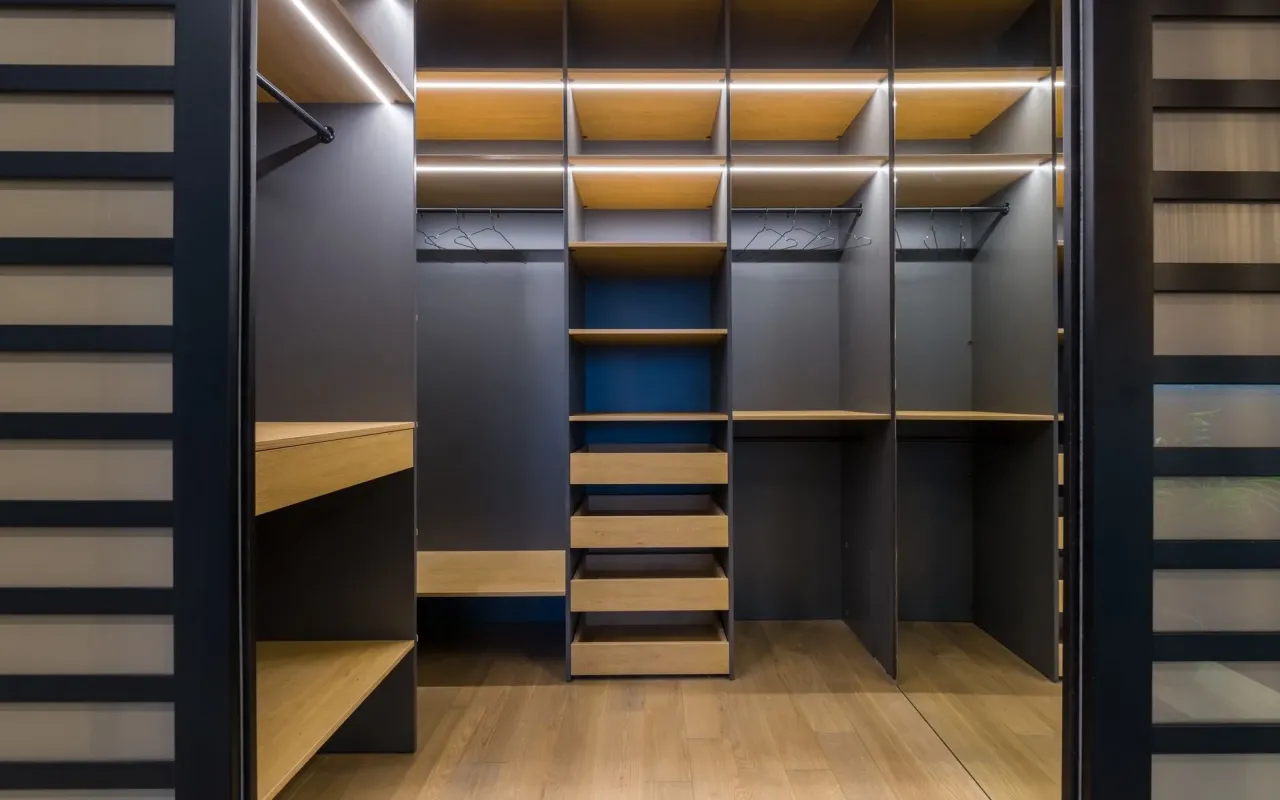
A dark closet is a disorganized closet. Without proper lighting, you can't see what you own, so you buy duplicates or forget about items. A 2026 study by the Lighting Research Center found that proper closet lighting improves item retrieval speed by 35% and reduces frustration by 50%. In a small closet, overhead lighting is often blocked by hanging clothes, leaving the lower half in shadow. The fix is simple: install battery-operated LED strip lights under shelves or along the top rod. They're cheap ($15-$30), adhesive, and last for months on one set of batteries.
Mirrors are equally transformative. A full-length mirror on the back of the closet door or on an adjacent wall makes the space feel twice as large and helps you see your outfit before you commit. It also reduces the need to run to a bathroom mirror, saving time. If your closet door is sliding, consider a mirror that mounts to the wall inside the closet. Some modular systems even include mirrored panels that slide out. The psychological effect is real: a brighter, more reflective space feels less cramped and more luxurious.
Finally, consider the color of your closet interior. White or light gray walls reflect light and make the space feel open. Dark walls absorb light and make it feel like a cave. If you can't paint, use white shelf liners and light-colored bins. A simple coat of white paint on the back wall costs $20 and can make a 4-foot closet feel like a 6-foot one. The combination of lighting, mirrors, and light colors can visually expand your closet by up to 30%, according to interior design research from the National Kitchen and Bath Association.
Practical tip: Buy a pack of stick-on LED motion sensor lights from Amazon or your local hardware store. Place one at the top of the closet and one at the bottom. They turn on automatically when you open the door, so you never fumble for a switch.Maintenance: How to Keep Your System Working Long-Term
Even the best closet system fails if you don't maintain it. The average person accumulates 10-15 new items per year, but only purges 5-7. Over three years, that's 15-30 extra items that have nowhere to go. The result is a slow creep back to chaos. To prevent this, schedule a seasonal purge every six months. Pull everything out, try it on, and ask yourself: "Have I worn this in the last six months? Does it fit? Do I love it?" If the answer is no to any of these, donate it or sell it. A 2022 study by the Journal of Consumer Research found that people who do seasonal purges keep their closets organized 80% longer than those who don't.
Another maintenance trick is the "one in, one out" rule. Whenever you buy a new item, remove an old one. This keeps your closet volume constant and prevents overflow. It also forces you to be more intentional about purchases. If you're not willing to let go of an old shirt to make room for a new one, you probably don't need the new one. This rule works especially well for shoes and bags, which tend to multiply quickly.
Finally, review your system once a year. As your wardrobe changes—new job, different season, weight fluctuation—your storage needs shift. A system that worked for business suits might not work for casual wear. Spend 30 minutes adjusting shelf heights, moving rods, or swapping drawer units. Most modular systems allow for this without tools. The small investment of time prevents the frustration of a system that no longer fits your life. A well-maintained closet can last 10-15 years, saving you money and stress.
Practical tip: Set a recurring calendar reminder every six months (e.g., April 1 and October 1) for a closet purge. Use a timer and give yourself 60 minutes. Donate items immediately—don't let them sit in a "maybe" pile. The faster you purge, the easier it is to maintain.