Parenting expert shares honest, practical tips for talking to your 8-12 year old about puberty. Real scripts, timing advice, and how to stay calm.
- June 12, 2026
AceShowbiz - You walk past the bathroom, and your 10-year-old is staring at their armpit hair like it's an alien sprouting from their skin. Your heart races. You know you have to say something, but every word you've rehearsed sounds like a bad health class video from 1998. The truth is, 70% of kids say they learned about puberty from friends or the internet, not parents (a 2026 study from the American Academy of Pediatrics found this number hasn't budged in a decade). That means your child is getting their information from TikTok trends and playground gossip. You can do better, and I promise it doesn't have to be a nightmare.
Why Starting Early (Like, Really Early) Is Your Secret Weapon
Most parents wait until their child is 11 or 12, thinking they'll "be ready." But puberty often starts between ages 8 and 13 for girls and 9 and 14 for boys. That means your child might already be experiencing changes while you're still planning "the talk." Starting conversations about bodies and development around age 7 or 8 normalizes the topic before anything dramatic happens.
Think of it like learning to swim. You don't throw a kid into the deep end and yell "swim!" You start with splashing in the shallow end. Early conversations about body parts, hygiene, and feelings are the shallow end. When puberty actually arrives, your child already has a vocabulary and trust built up. They won't panic because they've heard the words "hormones" and "growth spurts" before.
One practical tip: Use everyday moments. When you're grocery shopping and see deodorant, say, "Some kids your age start using this when their bodies change. We can talk about it whenever you want." No pressure, no lecture. Just a door left open.
The First Conversation: Keep It Short, Keep It Honest
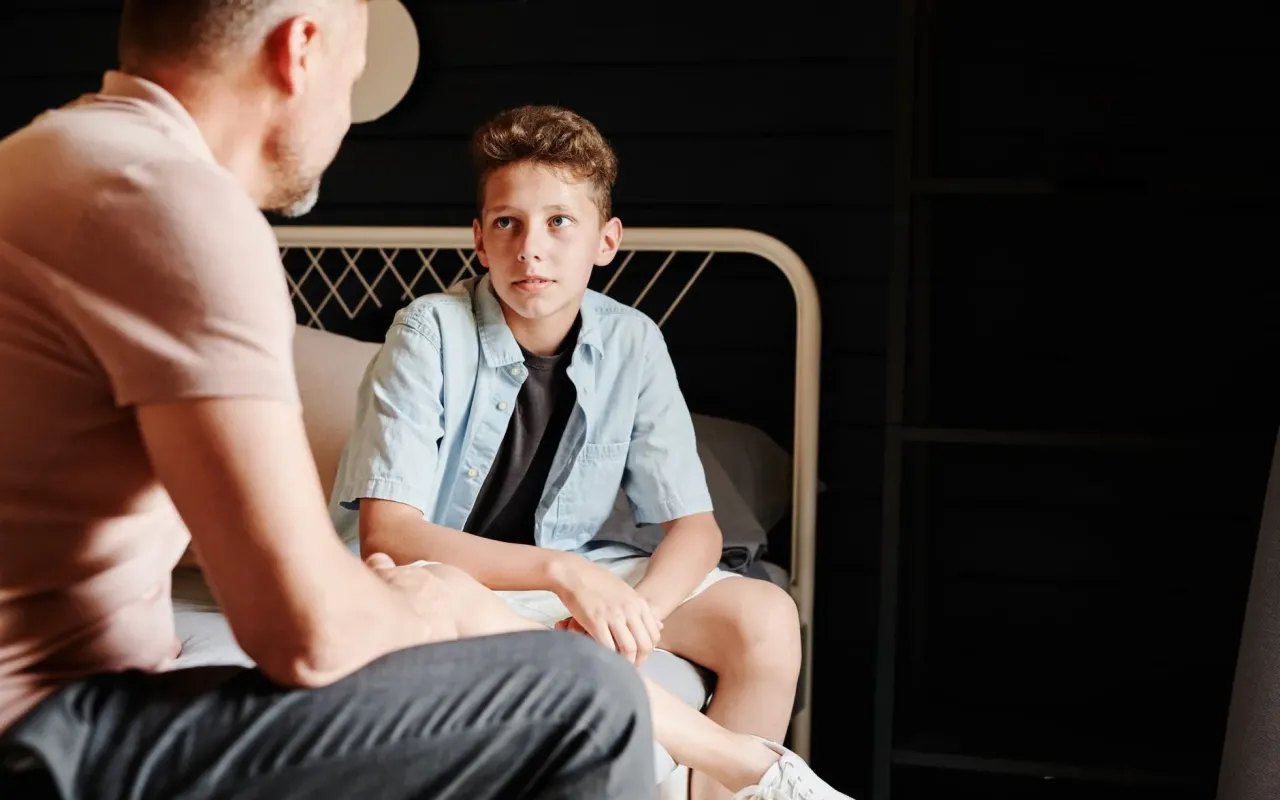
Your first real conversation about puberty should last no more than 5 to 10 minutes. Yes, that short. Kids' brains glaze over after that, and your goal is connection, not a TED Talk. Sit down without distractions—no phones, no TV in the background. Say something like, "I noticed you're getting a little taller and your body is starting to change. That's totally normal, and I want you to know what's happening."
Use concrete language. For girls, mention that breasts will develop, and periods will start. For boys, explain that voices will deepen and erections may happen (yes, you have to say the word). Avoid vague phrases like "you'll become a woman" or "you'll mature." Kids need facts, not poetry. A 2019 survey by Common Sense Media found that 60% of tweens said their parents' explanations were "too confusing."
Here's the actionable takeaway: Practice your opening line out loud before you deliver it. Say it in the mirror. If you stumble, that's okay—kids actually appreciate seeing you be human. But having a practiced start reduces your anxiety and makes the conversation flow naturally.
What to Do If Your Child Gets Embarrassed
Your kid might turn red, cover their ears, or literally run out of the room. Don't chase them. Just say, "Okay, we can talk later. I'm here when you're ready." Pushing through their embarrassment will make them associate the topic with shame. Instead, leave a book or a pamphlet on their bed. Something like "The Care and Keeping of You" (for girls) or "It's Perfectly Normal" (for all kids) works wonders. They'll read it alone, process it, and come to you with questions later.
One parent I worked with told me her 9-year-old son asked, "Can we talk about this tomorrow?" She agreed. The next day, he had a list of questions written on a sticky note. That's a win. Let them control the pace.
Breaking Down the Big Topics: Periods, Wet Dreams, and Body Odor
These three topics cause the most panic for both parents and kids. Let's tackle each one with a script you can actually use.
Periods: Don't Make It a Girl-Only Conversation
If you have a daughter, start talking about periods before they start. The average age for a first period in the U.S. is 12.5, but some girls start as early as 9. Explain that bleeding is normal, it lasts a few days, and there are products like pads and tampons. Show her where you keep supplies in the house. If you have a son, include him too. Boys who understand periods grow into men who don't make stupid jokes about them.
Say: "Around your age, some girls start getting their period. It's your body's way of saying it's healthy and growing. You might feel crampy or tired, and that's normal. We have supplies ready, and you can always ask me if you're worried."
Wet Dreams: The One Most Parents Forget
For boys, nocturnal emissions (wet dreams) are almost never discussed. A 2022 study from the Journal of Adolescent Health found that only 30% of boys said a parent had explained wet dreams to them before they happened. This leads to panic—boys think they wet the bed or something is broken. Tell your son: "Sometimes at night, your body will release semen. It's not peeing, and it's not something you can control. It's just your body getting ready for adulthood. Just change your underwear and sheets, and it's no big deal."
If you're a mom and feel awkward about this, that's fine. Ask a trusted male relative or your partner to have this conversation. But don't skip it entirely.
Body Odor: The Hygiene Reality Check
Puberty brings sweat glands that go into overdrive. Your child might not notice their own smell (kids rarely do), but their friends will. Make hygiene a matter-of-fact routine. Buy deodorant together—let them pick the scent. Say, "Your body is changing, and that means you'll sweat more. Using deodorant helps you smell fresh. It's just part of taking care of yourself."
One practical tip: Don't shame them. Never say, "You smell bad." Instead, say, "I noticed you might need deodorant today. Let's get you some." Frame it as self-care, not a punishment.
Navigating the Emotional Rollercoaster (Because It's Real)
Puberty isn't just physical. Hormones flood the brain, and your sweet kid might suddenly become moody, irritable, or tearful for no obvious reason. This is normal, but it's also exhausting for everyone. The key is to separate the behavior from the person. Your child isn't being "difficult" on purpose—their brain is literally rewiring itself.
Dr. Lisa Damour, a clinical psychologist and author, explains that the prefrontal cortex (the part of the brain that handles impulse control) is remodeling during puberty. That's why your 12-year-old might slam a door one minute and ask for a hug the next. Your job isn't to fix their mood—it's to stay steady. When they're upset, say, "I can see you're really frustrated. I'm here when you want to talk." Then give them space.
Actionable takeaway: Create a "cool-down spot" in your home. A corner of their room with a beanbag, headphones, and a fidget toy. When emotions spike, they can go there without judgment. You can even have a code word: "I need some space" means they're overwhelmed, not disrespectful.
When to Worry (And When to Let It Go)
Mood swings are normal, but watch for red flags. If your child withdraws from friends, stops eating, or expresses self-hatred about their changing body, that's a sign to seek help. Talk to their pediatrician or a school counselor. The American Academy of Pediatrics recommends screening for depression starting at age 12, so don't hesitate to ask for professional support.
On the flip side, if your child rolls their eyes at you or says "I know, Mom" for the hundredth time, that's just normal tween behavior. Don't take it personally. Keep showing up.
Handling Sensitive Topics: Porn, Peer Pressure, and Gender Identity
Let's be real: your child will encounter pornography online, probably before age 11. A 2020 study from the British Journal of Educational Studies found that 53% of boys and 39% of girls had seen porn by age 13. You cannot prevent this, but you can prepare them. Talk about it before they see it.
Say: "You might come across videos or pictures of people having sex online. Those are not real life—they're made for adults, and they don't show healthy relationships. If you see something that confuses you, please come to me. I won't be mad."
Peer pressure also ramps up during puberty. Kids might feel pressured to date, kiss, or even have sex before they're ready. Teach them that "no" is a complete sentence. Practice saying it with them: "No, I'm not comfortable with that." Role-play scenarios where a friend pressures them to do something. This builds confidence.
Gender identity conversations are also emerging earlier. If your child asks questions about being transgender or non-binary, listen without judgment. Say, "Tell me more about what you're feeling." You don't need to have all the answers—just a willingness to learn alongside them. Organizations like PFLAG offer free resources for parents.
Keeping the Door Open: How to Make This an Ongoing Conversation
The biggest mistake parents make is having "the talk" once and then never mentioning it again. Puberty is a multi-year process. Your child's body and brain will change constantly. That means you need to keep checking in. Every few months, ask a casual question: "Anything new happening with your body or feelings?" or "Have any of your friends started going through changes?"
Use car rides. Kids often talk more freely when they don't have to make eye contact. Driving to soccer practice or school drop-off is prime time for these chats. Keep it low-stakes. If they say "nothing," don't push. Just say, "Okay, I'm here if you think of anything."
One final actionable tip: Model the behavior you want to see. If you're comfortable talking about your own body changes (like menopause, if you're a mom, or your own puberty memories if you're a dad), share them. Say, "I remember when I first got my period—I was so scared because nobody told me about it. That's why I want you to know." Your vulnerability builds trust.
You've got this. Your child doesn't need a perfect speech—they just need you to show up, be honest, and keep the conversation going. The awkwardness fades the more you practice. And one day, they'll thank you for it (probably when they're 25, but still).