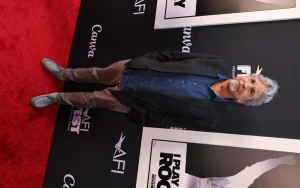
Hayden Panettiere reveals the dark side of fame in her memoir, detailing struggles with addiction, postpartum depression, and abuse during her time on Nashvi...
- May 14, 2026
AceShowbiz - Hayden Panettiere was at the heart of the critically acclaimed series Nashville during its original ABC run from 2012 to 2016, where she portrayed Juliette Barnes, a rising star in country-pop music. While the show enjoyed significant attention and praise, the experience behind the scenes was far more complex for Panettiere than most fans realized.
In her forthcoming memoir, This Is Me: A Reckoning, set to be released on May 19 by Hachette, Panettiere opens up about the emotional and personal challenges she faced during her time on Nashville. The memoir candidly discusses issues such as postpartum depression, addiction, and domestic abuse, alongside her career and relationships.
One particularly revealing section of the book describes Panettiere’s feelings of isolation and the blurred lines between her character's storylines and her real-life struggles. She shares, "The bigger issue was when I realized my character's story lines were so similar to what was transpiring in my real life."
Contrary to her expectations, the atmosphere on the Nashville set was not one of camaraderie. Panettiere had imagined the cast, crew, and directors would form a close-knit group, but instead found the environment to be distant and fragmented. She recounts a moment by the pool at the house she was renting, telling her assistant Allie, "I guess I thought we'd all be friends... But it's not like that at all." To which Allie responded, "Well, that's why you have me."
After filming each week, Panettiere expected the cast to unwind together, as she had experienced on previous projects like Heroes. Instead, she found the cast often dispersed to their personal lives. Connie Britton, who played Rayna Jaymes, would return home to her son, and Charles Esten, portraying Deacon Claybourne, headed to his family. The notable exception was Jonathan Jackson, who played Avery Barkley and sometimes welcomed Panettiere to his home in Franklin, Tennessee, a community known for its concentration of country music stars. Grateful for the hospitality, Panettiere often stayed overnight at the Jacksons’ guest room to avoid the long drive home.
Despite these pockets of friendship, Panettiere felt disconnected from most of her co-stars. She reflected on the paradox of being surrounded by new faces in an unfamiliar city yet not forming the friendships she had hoped for. Panettiere expressed gratitude towards her assistant Allie, who was not tied to the set and could socialize more freely, bringing back a sense of companionship to Panettiere’s life.
Outside the set, Panettiere immersed herself in Nashville’s nightlife, joining a diverse group of friends from various professions for pool parties, nights out drinking, and dancing. The city’s culture, she explains, was one of heavy drinking, with days often starting with a "hair-of-the-dog" remedy. At 23, she was able to handle the lifestyle, noting her "tolerance level of an elephant." However, she clarifies that alcohol did not become problematic for her until after the birth of her daughter, Kaya.
Returning to the set each week brought a renewed sense of loneliness and frustration. Panettiere began to feel that the writing for her character did not align with the realities she was experiencing personally. She observed how scripts were frequently rewritten during filming to adjust character likability and narrative flow. For example, Connie Britton’s character, Rayna Jaymes, was deliberately flawed—sometimes controlling and unkind, especially toward her family and ex-boyfriend Deacon, whose struggles with sobriety were part of the storyline. Panettiere appreciated this complexity, believing it made Rayna human and authentic.
Yet, Panettiere also noticed that certain scenes between her character and Rayna were altered or softened after initial readings. Emotional dialogue that added depth and realism was sometimes removed to make the characters more appealing to viewers, which diminished the impact of key story moments.
Panettiere also reflects on her understanding of acting and emotional expression, citing Denzel Washington’s 2002 film John Q as a masterpiece of authentic emotion. She recalls watching the film with her mother and being struck by Washington’s raw performance, which her mother praised as the ideal of genuine emotional display on screen. This insight shaped Panettiere’s own approach to acting, emphasizing sincerity over superficiality.
Her experiences on Nashville encapsulate both the professional demands and personal toll of working in a high-profile television series. Panettiere’s memoir promises to shed further light on the intersection of her life and art, revealing the complexities behind the camera that fans never saw.