Maryland enacts the PACE Act, the strongest U.S. law protecting hip-hop artists from having lyrics used as evidence in court.
- May 13, 2026
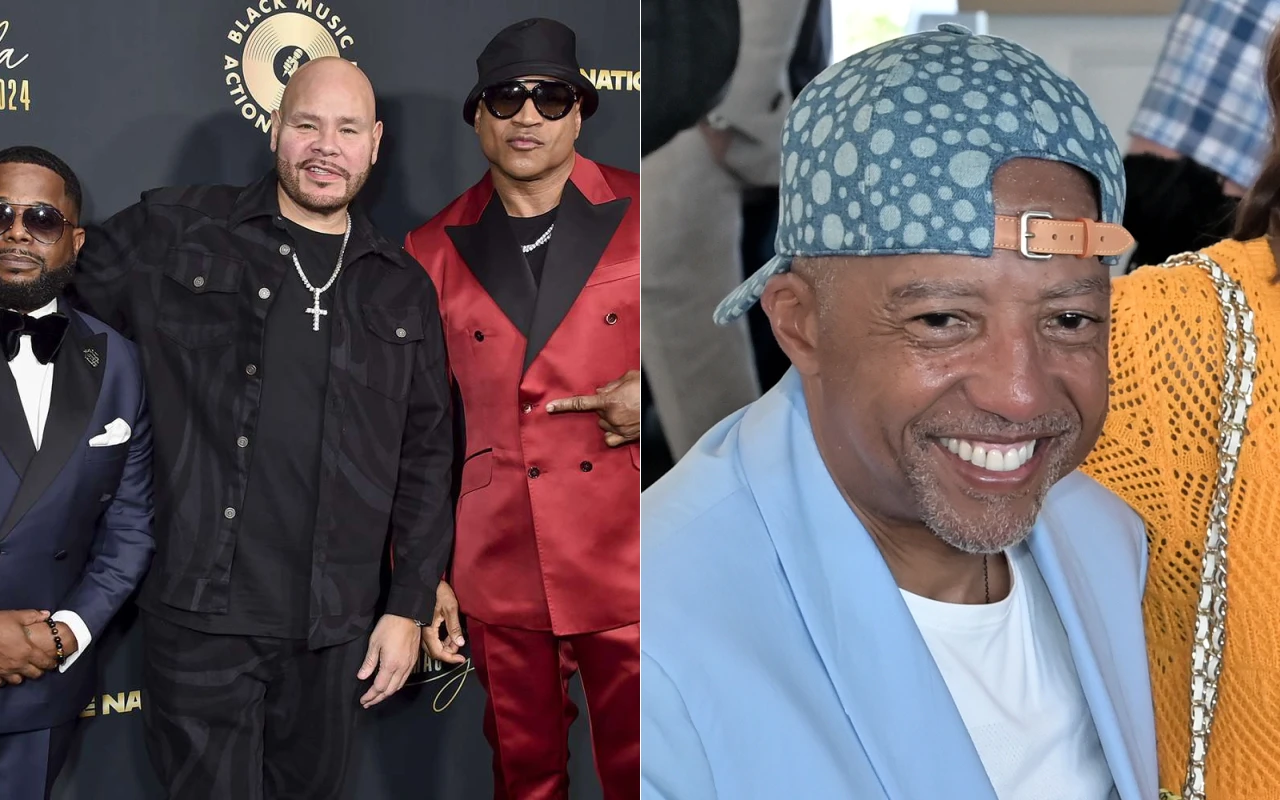
AceShowbiz - Willie "Prophet" Stiggers and the Black Music Action Coalition have marked a historic victory with the signing of Maryland’s PACE Act into law by Governor Wes Moore.
This legislation comes at a critical time, shortly after the execution of James Broadnax in Texas, where prosecutors used 40 pages of his handwritten rap lyrics as evidence during sentencing. Maryland’s PACE Act is now recognized as the strongest state-level law in the U.S. to safeguard the creative freedom of hip-hop artists against such legal tactics.
Unlike a complete ban on the use of lyrics as evidence, the PACE Act introduces a rigorous four-part test that prosecutors must meet before any creative work can be admitted in court. They are required to demonstrate that the lyrics were meant as literal confessions related to the case, rather than artistic storytelling or expression. This represents a significant break from decades of courts frequently treating rap lyrics as self-incriminating admissions.
Stiggers emphasized the broader cultural implications of the bill, stating, "This is bigger than music. This is about whether creativity can be treated as a crime when it comes from Black voices." He connected the legislation to systemic issues, highlighting how the execution of Broadnax forced the nation to confront the reality that Black art is often criminalized rather than understood as human expression. Stiggers also warned that the erosion of voting rights and the criminalization of Black creativity reflect a resurgence of Jim Crow-era tactics in new forms.
Kevin Liles, chairman of Free Our Art, shared his personal connection to the cause. Growing up in West Baltimore, he credited hip-hop with saving his life and described the new law as a way to support future generations of creators.
Research underscores the necessity of this legislation: Since the 1980s, rap lyrics have been used as criminal evidence in over 820 cases, while lyrics from all other musical genres combined have been used only four times—and were dismissed each time.
The Black Music Action Coalition has actively campaigned on this issue, bringing awareness to events like Rolling Loud in Orlando, where they reached over 100,000 young music fans and voters about the dangers of criminalizing artistic expression.
This law reflects a growing nationwide movement to protect artistic freedom and combat racial bias within the justice system. Maryland’s pioneering legislation sends a clear message that rap music should no longer be exploited as a prosecutorial tool to secure convictions.
Major music organizations including the Recording Academy, SONA, and the Music Artists Coalition have praised the signing of the PACE Act, calling it a watershed moment for artist rights.
While federal protections under the RAP Act remain the ultimate objective, Maryland’s success demonstrates that meaningful change can happen at the state level without waiting for Congress.
Delegate Marlon Amprey, who spearheaded the four-year effort to pass the bill, has set a powerful example that other states are now closely monitoring as they consider similar protections for their artists.