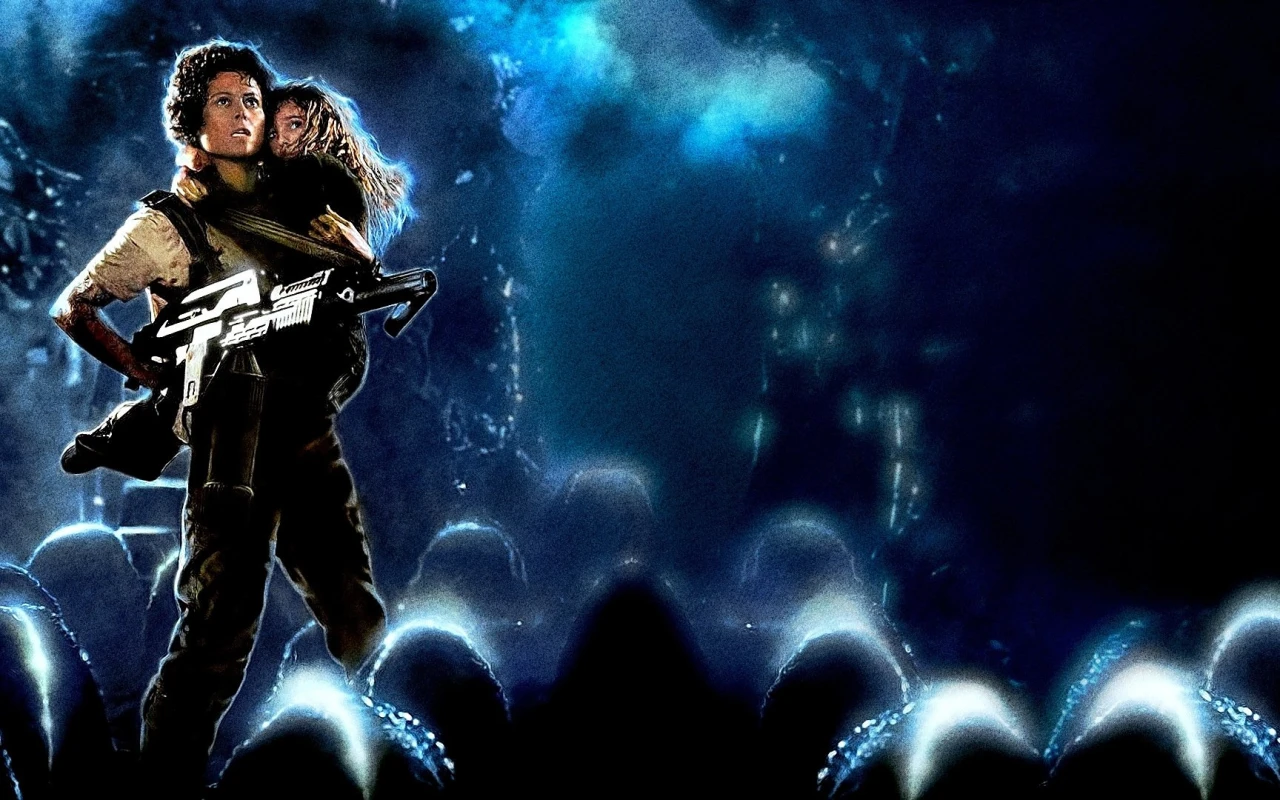
James Cameron considers converting iconic 1986 sci-fi sequel Aliens into 3D using advanced modern technology.
- May 7, 2026
AceShowbiz - Aliens is poised for a fresh cinematic experience as its acclaimed director, James Cameron, considers transforming the classic 1986 sci-fi sequel into a 3D format. Known widely as one of the greatest sequels in film history, Aliens elevated the original horror film Alien by blending intense action with suspenseful storytelling, creating a genre-defining blockbuster that has remained a fan favorite for nearly four decades.
During a recent interview with Letterboxd, connected to his direction of Billie Eilish’s 3D concert film Hit Me Hard and Soft: The Tour, Cameron disclosed plans to convert Aliens into 3D using advanced modern technology. He explained, “Aliens is a creature of its time. We are thinking about converting Aliens [to 3D], because I know now that the tools are so much better than they were for creating depth maps. We're probably going to wind up converting Aliens, which will be a fun experience.” This intention reflects his desire to refresh the film’s legacy and introduce it to new audiences in an immersive way.
The original Aliens, released in 1986 as a follow-up to Ridley Scott’s 1979 Alien, expanded the franchise with a more action-oriented approach. The film’s enduring popularity and critical acclaim have established it as a cornerstone of science fiction and horror cinema.
Cameron acknowledges that the film remains "evergreen," with fans continually revisiting it. He remarked, “If people remember a movie that I did 38 years ago, I think I've already won [an] argument.” His enthusiasm for bringing Aliens into the 3D realm is driven by the significant technological advances in depth mapping and 3D processing that have emerged since the film’s original release.
The proposal to convert such a beloved classic into 3D has sparked diverse opinions. While Cameron has been a longtime advocate for 3D cinema—most notably advancing the format through his work on the Avatar franchise—converting older films has historically received mixed feedback. Some viewers welcome the enhanced immersion and visual depth that 3D can provide, while others express concern about potential alterations to the movie’s original aesthetic and atmosphere.
Cameron’s commitment to technological innovation in filmmaking is well documented. His approach often involves waiting until the necessary tools are sufficiently advanced before undertaking ambitious projects, as seen with Avatar, which experienced delays until the technology met his creative standards. This same philosophy underpins the current 3D conversion plan for Aliens, ensuring the process honors the original film’s quality while leveraging modern techniques.
Every film directed by Cameron in the 21st century has incorporated 3D technology, including his recent collaboration with Billie Eilish. This ongoing dedication to immersive cinematic experiences highlights how integral 3D remains to his artistic vision, underscoring why revisiting Aliens in this format aligns with his broader goals.
Importantly, Cameron emphasizes that the 3D conversion is not intended to replace the original film but to reintroduce it to theaters in a new form. By applying contemporary technology, he hopes to breathe new life into Aliens, offering audiences—especially younger viewers who may not have experienced the film on the big screen—a revitalized and captivating version.
The idea of watching Aliens in 3D also opens possibilities for fresh engagement with the franchise. It could provide a novel perspective on the film’s iconic scenes and effects, enhancing the tension and excitement without compromising the core elements that made it a classic. This balance between preservation and innovation is critical given the film’s status among fans and critics alike.
In summary, James Cameron’s plan to convert Aliens into 3D signals an exciting chapter for the sci-fi sequel, blending respect for its legacy with the possibilities of modern cinematic technology. As he continues to push boundaries in immersive filmmaking, this project highlights how timeless stories can evolve to captivate new generations while honoring their origins.